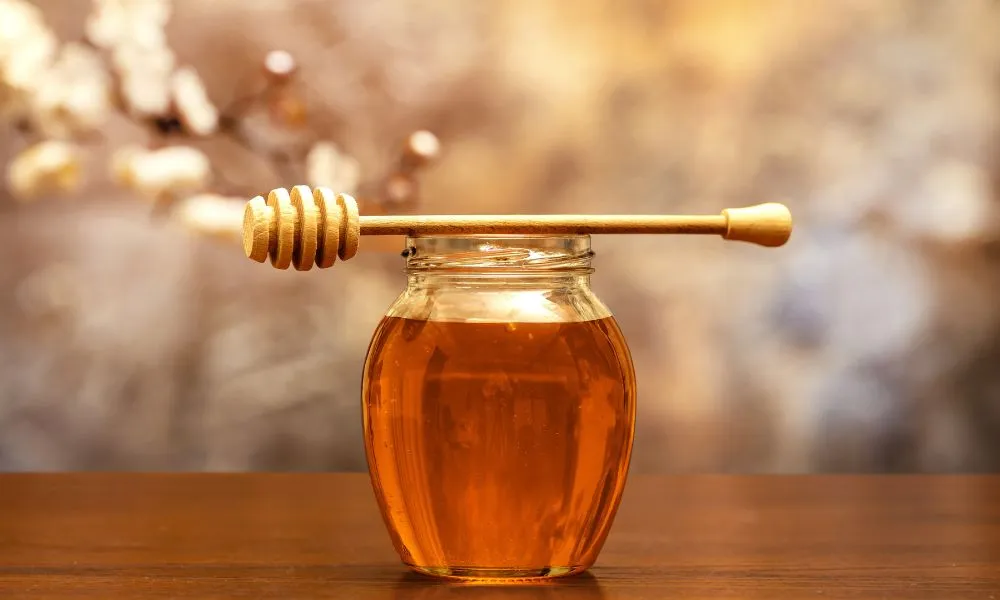
A fresh set of amendments to Cyprus’s honey legislation promises to bring full transparency to what ends up on consumers’ shelves. The goal is simple: no more vague blends, no more guesswork, and far better clarity on what is genuinely honey.
Clear origins on every label
A legislative amendment submitted to Parliament’s Health Committee seeks to eliminate the generic description “blend of honeys” from packaging. From 13 June 2026, importers will be required to specify the countries of origin in descending order, as well as the exact percentage contributed by each.
According to the accompanying impact-assessment questionnaire, the change is intended to prevent consumer confusion, given the strong link between honey quality and origin. Health Services also clarify that “country of origin” refers to where the honey was harvested, whether within the EU or beyond.
Filtered honey removed
A second amendment removes the category of “filtered honey” from the permitted types of honey under the 2025 Honey Regulations. The rationale is that heavy filtration can strip honey of natural components, including pollen.
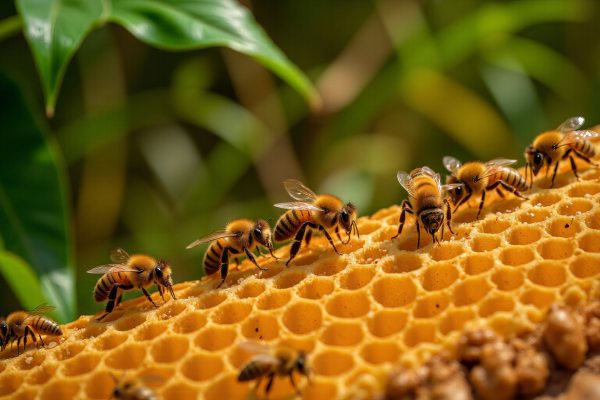
As explained in the impact-assessment text, consumers often misunderstand the term and fail to distinguish industrial ultra-filtration from the basic filtering performed by beekeepers to remove wax particles. To ensure accuracy, traceability, and authenticity, “filtered honey” will no longer be recognised as an allowed category or designation.
These changes stem from the obligation to harmonise national law with the EU directive regulating honey, jams, juices, and preserved milk products.
The new rules for “pastry honey”
A third adjustment expands the definition of “pastry honey” to include honey from which foreign inorganic or organic substances have been removed to the point that a significant proportion of pollen is lost. Into this lower-grade category now falls the previously separate “filtered honey”.
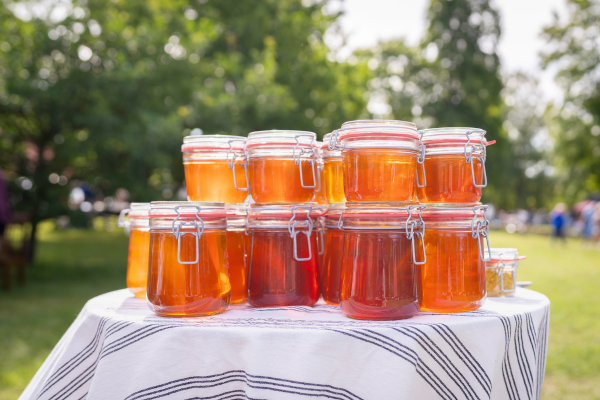
Once approved by Parliament, the regulations will take effect on 14 June 2026, granting producers and importers a six-month period to update their labels. The Health Services will oversee compliance thereafter.
Beekeepers welcome clarity but raise concerns
The president of the Pancyprian Beekeepers’ Association, Polydoros Costa, described the amendments as a positive development. He noted that today the market includes products labelled as “blend of honeys”, mixing Cypriot and imported varieties, while no Cypriot beekeeper produces filtered honey; these products arrive exclusively from abroad.
However, he expressed concern that filtered honey is being included within the “pastry honey” category. He argued that traditional sweets such as melomakarona or daktyla should be made with genuine honey, not a heavily processed product lacking nutritional value and aroma.
As he put it, shoppers believe they are buying pastries made with honey, without realising that “what they actually contain is a liquid sweetener with a hint of aroma”.