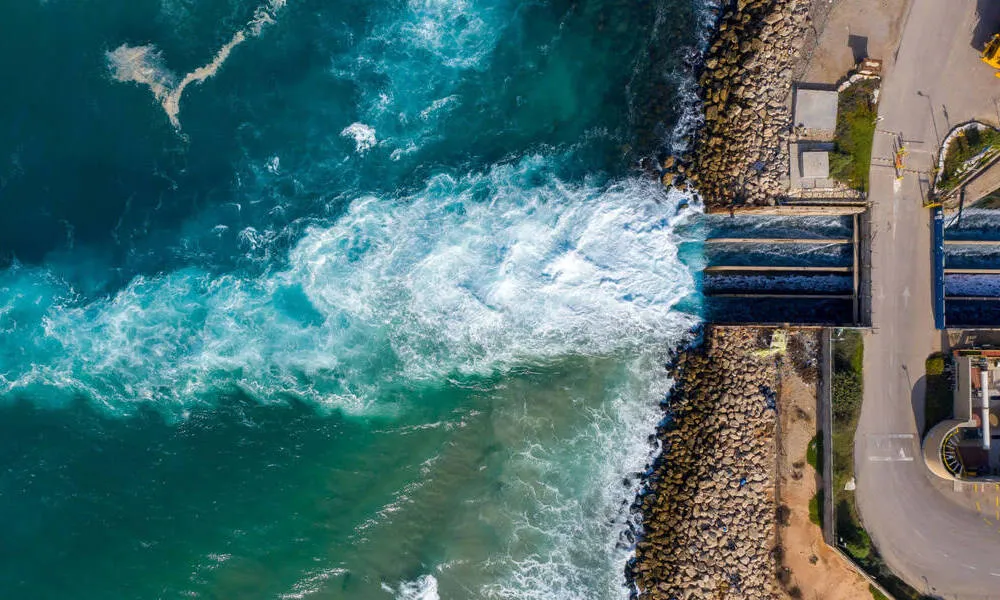

With the 2026 agriculture budget before Parliament, the government set out plans to expand reverse osmosis along Cyprus’s coast. Two new permanent plants in Limassol and Dhekelia by 2029 plus three mobile units by summer 2026 would lift daily output from 235,000 cubic metres today to about 412,000. Scenarios for at least four more plants, three of them permanent, are also under review.
Desalination already consumes about 6% of Cyprus’s annual electricity. Doubling capacity could push that share toward 10%, a material burden on power demand and costs. Experts warn the approach looks urgent but fragmented, without a full strategy for renewables and grid constraints.
Coverage and timelines
If Water Development Department (WDD) schedules hold, potable water needs will be covered from summer 2026 onward, with scope to support agriculture. Three new mobile units at Episkopi, Vasiliko and Ayia Napa, each at a minimum 10,000 m³ per day for five years, should be operating before summer 2026. Four mobile units are already active or completing at Moni, Kissonerga, Garyllis and Limassol Port, bringing total mobile capacity to 77,000 m³ per day by January 2026. Permanent plants in eastern Limassol (60,000–80,000 m³/day) and a new Dhekelia replacement (80,000–100,000 m³/day) target late 2029 operation. A Protaras plant is being examined, and three more permanent sites are under evaluation.
The concerns
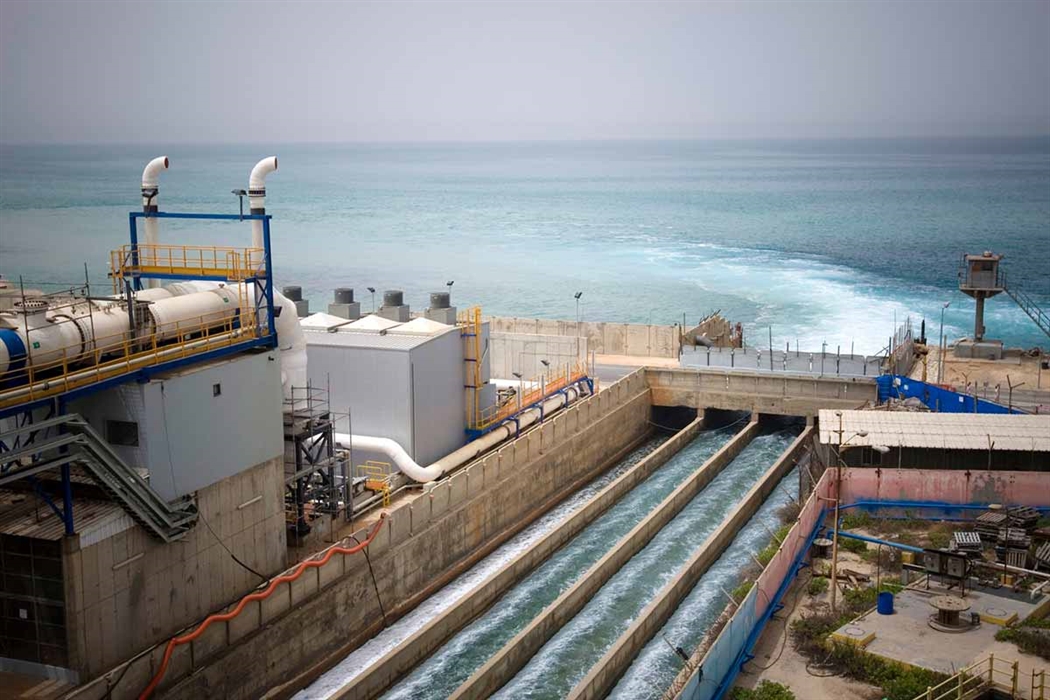
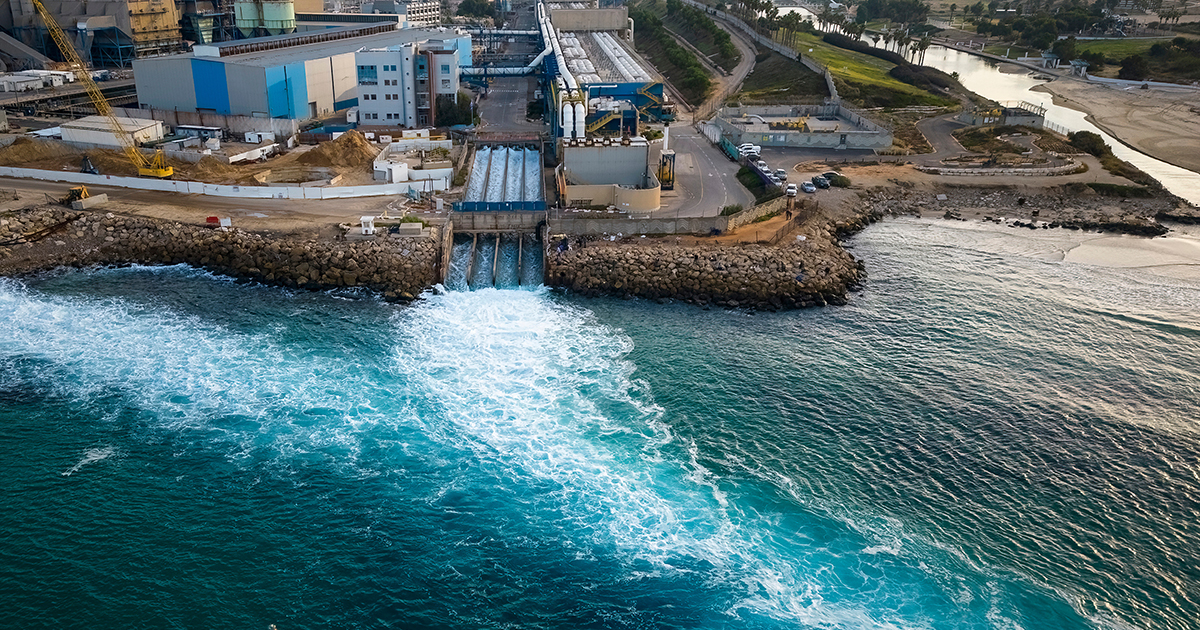
Reverse osmosis has improved, but it remains energy intensive and infrastructure heavy. Burning imported fossil fuels for plant power increases emissions from EAC stacks, costs that households ultimately pay. At sea, brine discharges can harm marine life if not managed properly.
The agriculture minister says new plants will use renewables, but key questions remain on percentages, grid readiness and land availability near coastal sites. Large PV parks have faced technical bottlenecks tied to the power network and space constraints. Experts say success requires a joint plan that includes energy producers, plant operators and the agriculture and energy ministries to define viable renewable supply and cut the carbon footprint.
Costs and global benchmarks
Cheap renewable power for operators could lower water tariffs. Cyprus’s average desalinated water price is about €1.50 per cubic metre due to fossil fuel use. By contrast, Dubai’s new Hassyan plant targets roughly €0.37 per cubic metre because of scale, private partnerships and renewables. Internationally, typical prices range from €0.50 to €0.70 per cubic metre.
Researchers note the energy currently used by desalination is similar to the annual solar energy curtailed from the grid. In 2023, desalination used about 216 GWh, roughly equal to PV energy curtailed in the first ten months of 2025. With market opening, bilateral power contracts between generators and desalination operators, backed by battery storage, could redirect curtailed solar to water production.
What the WDD says
The WDD acknowledges reverse osmosis is energy intensive, at around 3.4 kWh per cubic metre. For new large plants, bidders will be required to use renewables. One option under study is a supply deal with a large PV park to cover a significant share of consumption, with exact requirements to be set in feasibility studies before tenders. Other desal technologies are also being examined.
Doubling capacity would raise the share of national electricity used for desalination from about 6% toward 10%, corresponding today to roughly 2% of annual CO₂ emissions. On brine, experts say treatment and resource recovery could turn waste into useful salts for agriculture and power plants. The EU and the Cyprus Institute are working on best available techniques for renewable integration, cost reduction and brine management, with a technical workshop later this month with the European Commission’s Joint Research Centre.
Numbers at a glance
• Today’s permanent capacity: 235,000 m³/day from Paphos, Episkopi, Vasiliko, Larnaca and Dhekelia, covering about 70% of potable demand
• Mobile units by Jan 2026: 77,000 m³/day total (4 existing plus 3 new)
• Target with new builds: about 412,000 m³/day by 2029
• Energy intensity: ~3.4 kWh per m³
• Power share today: ~6% of national electricity for desalination, potentially rising toward ~10% with expansion