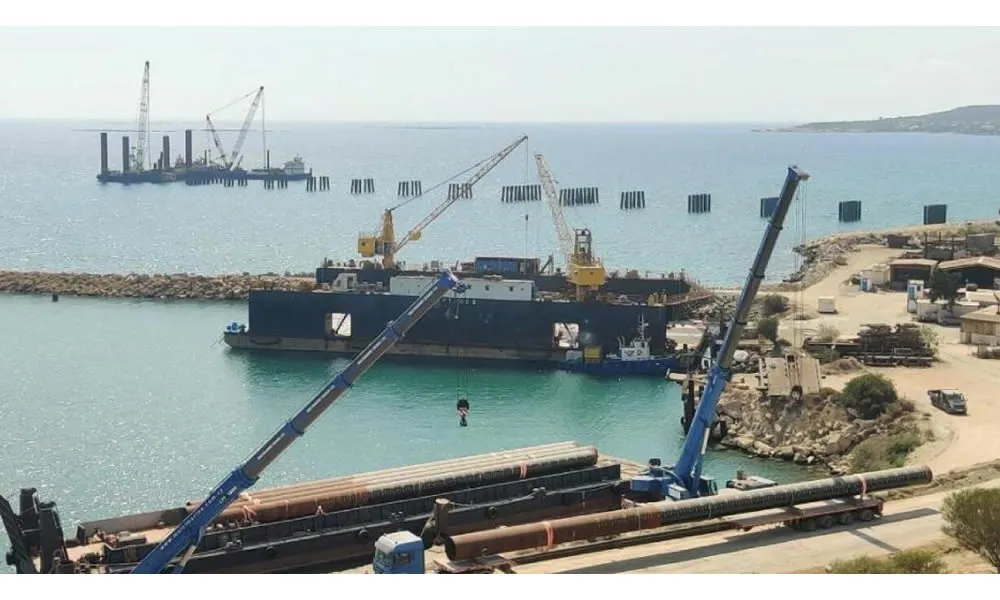

The recent decision by the European Union and the CINEA funding mechanism to reclaim approximately €67 million of the €75 million in grants allocated for the liquefied natural gas (LNG) terminal at Vasilikos is more than a financial setback. It is a damning indictment of Cyprus’s chronic inability to see through major national infrastructure projects. Once again, the country finds itself in the global spotlight for all the wrong reasons, and not for the first time.
This latest blow symbolises a much deeper political, ethical, and administrative failure. For decades now, and more conspicuously in recent years, successive governments have fed the public grand visions of “vital development projects” which rarely materialise. High-profile announcements are made, promises are issued with fanfare, and ribbon-cutting ceremonies are staged with pomp and circumstance. And yet, time and again, these projects falter or collapse entirely. The LNG terminal in Vasilikos joins a long list of such disappointments alongside, notably, the aborted Larnaca marina project, exposing the state's fundamental inability to transform plans into outcomes.
The issue at hand goes well beyond mismanagement. The EU’s demand for the return of millions in development funds is not being viewed as a technical or administrative misstep. Brussels, via CINEA, sees this as a systemic failure, one rooted in governance, transparency, and political will. The Vasilikos debacle is not merely a case of poor planning; it is the culmination of a political culture that too often reduces national infrastructure to either a public relations tool or a playground for corruption.
This signals an erosion of trust in institutions, in leadership, in the very capacity of the state to act in the public interest. The responsibility lies not only with past administrations, whose opaque procedures and questionable decisions laid the groundwork for failure, but also with the current government, which has shown prolonged inertia and a distinct lack of initiative over the past two years. The expectation that €67 million be returned is not a minor accounting matter; it is a political reckoning.
What we are witnessing is the slow unravelling of a policy-making culture that treats major projects as convenient headlines rather than commitments. It is a culture that has internalised superficiality over substance, short-term gain over strategic planning. And while it may be tempting to isolate this incident as yet another bureaucratic blunder, it reflects something far more serious: a state apparatus unprepared and perhaps unwilling to reform.
Unless there is a radical shift in the state’s institutional mindset and political accountability mechanisms, Cyprus’s strategic planning will remain destined for failure. The warning signs are no longer subtle. The financial, political, and reputational costs are already being paid.
The Vasilikos case should serve as a final wake-up call. But it remains to be seen whether those in power are prepared to listen, let alone act.