
By Christos Georgiou
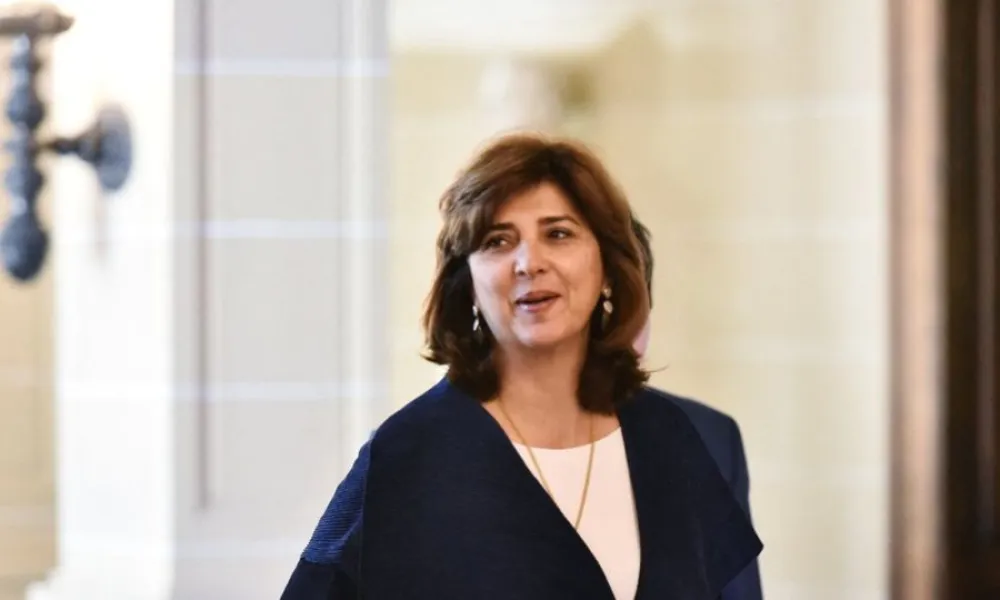
The latest visit to Cyprus by the UN Secretary-General’s Personal Envoy, María Angela Holguin, is being viewed as a form of intermediary communication ahead of the expected informal trilateral meeting in New York. Holguin is scheduled to meet with President of the Republic Nikos Christodoulides today, and with Turkish Cypriot leader Ersin Tatar on Monday.
Her visit marks an effort by the United Nations to keep what little remains of the Cyprus process alive—at least until the political landscape in the north becomes clearer after the elections scheduled for 19 October.
As UN spokesperson Stéphane Dujarric confirmed from New York, Holguin is expected to meet not only with the two leaders but also with their respective representatives and other key actors on the island.
No breakthroughs expected
Holguin arrives with realistic expectations. She is aware that no dramatic shifts are likely, nor is she expected to hear anything that could push the process significantly forward—particularly in terms of even minimal goals discussed in the UN-facilitated meetings in March and July this year.
For the time being, conditions do not appear ripe for even a basic agreement on certain Confidence-Building Measures (CBMs), including those repeatedly proposed by Secretary-General Antonio Guterres.
Turkish Cypriot leader Ersin Tatar, now entering the final stretch before elections in the north, remains entrenched in his two-state rhetoric. He continues to reject any discussion of new crossing points if framed as a quid pro quo—despite the fact that such dialogue had already taken place in the past with a more constructive tone.
On the other side, Christodoulides has publicly referred to “various and specific ideas” on how to move forward. However, it is clear that any such proposals will be unilateral in nature, as Tatar has little incentive—nor political space—to appear more conciliatory just weeks before the vote.
Sources within the Turkish Cypriot community suggest that polling pressure on Tatar could prompt surprise moves. Yet it remains uncertain in which direction any such initiatives would unfold, or if they would carry real political weight.
For Christodoulides, Holguin’s visit ahead of the UN General Assembly in New York holds particular diplomatic value. It remains to be seen what “presidential thinking” he chooses to share with the UN envoy during their meeting today.