Europe may be taking a decisive step towards reducing its dependence on Asia for critical battery materials, following confirmation of a major lithium deposit in northern Portugal.
With lithium now viewed as the “gold” of the green transition, the EU’s shift to electric vehicles has pushed supply chain security to the top of the agenda for Brussels and carmakers alike. Access to key raw materials - above all lithium - will determine whether Europe can remain competitive in the emerging energy landscape. Until now, the continent has relied heavily on Asia, particularly China, for its lithium needs.
That balance could soon change. In Boticas, in the district of Viana do Castelo, one of Europe’s largest lithium deposits has now been confirmed. Savannah Resources, the company behind the Barroso Lithium Project, announced that proven reserves have risen by 40%, reaching 39 million tonnes. Potential total resources could exceed 100 million tonnes- enough for an estimated 47 million electric vehicle batteries.
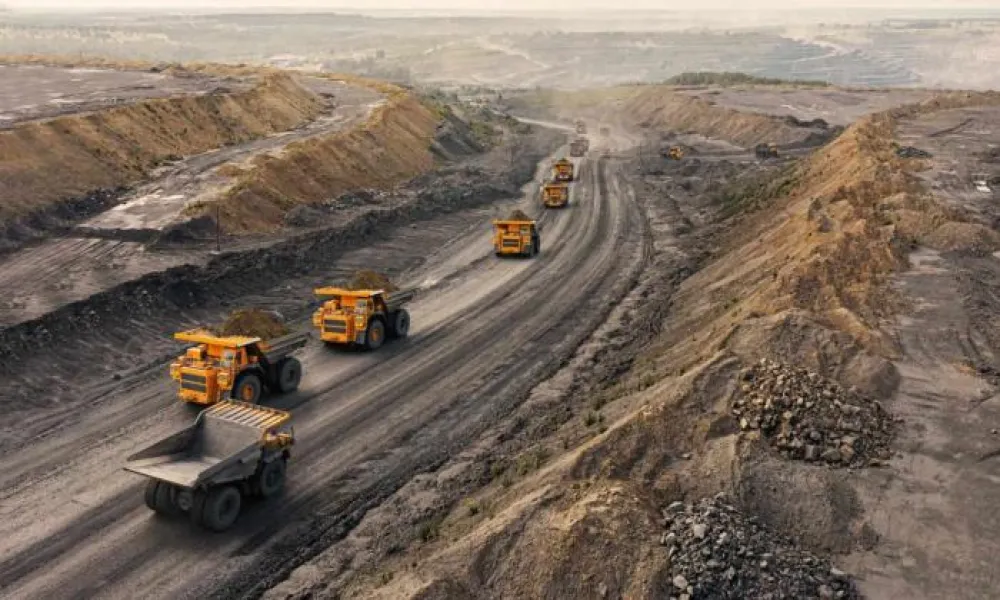
Mining operations are expected to begin in 2028, with an initial lifespan of at least 14 years. Infrastructure works are set to start before the end of 2026.
Germany is projected to be the main recipient of the lithium, supplying major car manufacturers currently accelerating their shift to electrification. Lithium, together with nickel and cobalt, forms the core of electric vehicle batteries.
The small town of Boticas, home to around 5,000 residents, is now set to become Europe’s largest lithium hub = a strategic boost at a time of soaring demand. Yet, as with any large-scale extraction project, opposition has emerged. Local communities have voiced concerns over potential impacts on water quality and biodiversity. Savannah Resources says it has secured five favourable court rulings and has developed a comprehensive plan to mitigate environmental effects.