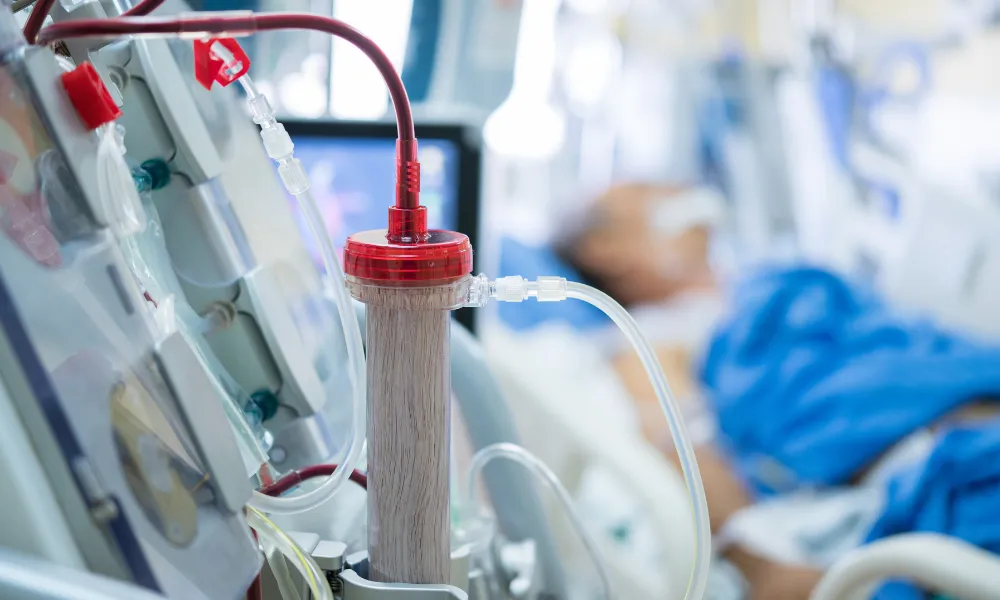
A rare and medically complex chain of three kidney transplants connecting Cyprus and Israel has been successfully completed, marking another milestone in cross-border organ cooperation. The operations, coordinated between transplant teams in Nicosia, Tel Aviv and Jerusalem, were part of a carefully planned “chain of life” that allowed three patients, one in Cyprus and two in Israel, to receive life-saving kidney transplants.
The transplant at Nicosia General Hospital (G.N. Nicosia) took place on 4 November 2025, involving Cyprus’s Ministry of Health, Israel’s health authorities, and the Transplant Clinic of the State Health Services Organisation (OKYPY), which led the surgical procedure on the Cypriot side.

How the transplant chain worked
The coordinated exchange involved three live donors and three recipients across both countries:
• A kidney from a living donor at Hadassah Hospital in Jerusalem was transported to Cyprus and transplanted into a Cypriot patient by the OKYPY transplant team.
• A kidney from a Cypriot living donor was flown to Beilinson Hospital in Israel and transplanted into an Israeli recipient.
• A kidney from an altruistic donor at Beilinson was then sent to Hadassah, completing the chain with a transplant to a second Israeli patient.
The exchange allowed all three patients, each previously dependent on long-term dialysis, to receive a compatible kidney despite the absence of direct donor matches within their own families.
A milestone for Cypriot medicine
The Nicosia transplant marks the seventh successful cross kidney transplant performed in Cyprus in recent years, highlighting the growing sophistication of the country’s transplant programme and its partnerships with regional medical centres.
Hospital officials credited the outcome to the specialised expertise of the Transplant Clinic, Cyprus’s only transplant unit, and to the close coordination achieved between Cypriot and Israeli teams. OKYPY noted that years of investment in training and logistical capacity have made international operations of this complexity possible.
The Cypriot patient, a woman who had been on dialysis for several years, was discharged this week in good health and is now recovering at home with excellent prospects.
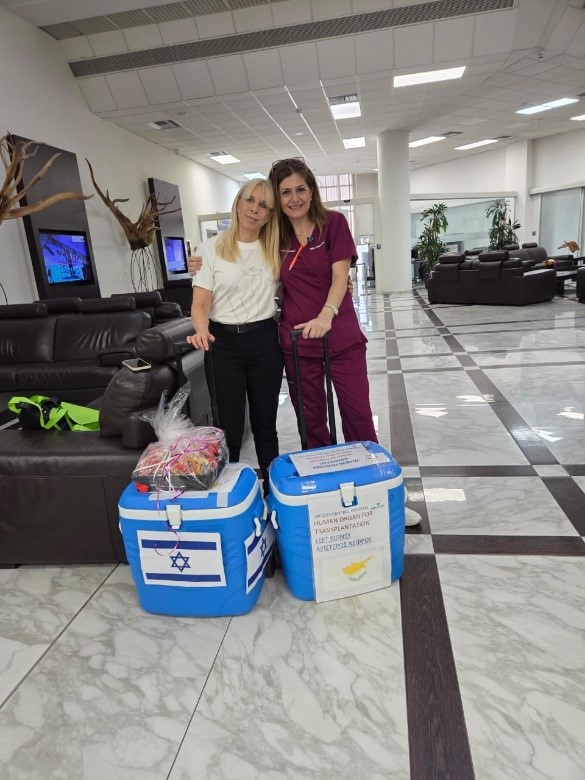
The value of cross-border cooperation
Health officials from both countries praised the collaboration as an example of how regional medical partnerships can save lives when national donor pools are small. Programmes like these, they said, combine medical science, logistics and humanitarian coordination at their best.
For Cyprus, the operation underscores the capacity of its national health system to manage advanced transplant procedures and participate in multinational donor exchanges, an achievement that places the island among Europe’s small but capable transplant centres. As the “chain of life” continues to grow, Cyprus and Israel plan to expand cooperation on organ transplantation and exchange protocols.