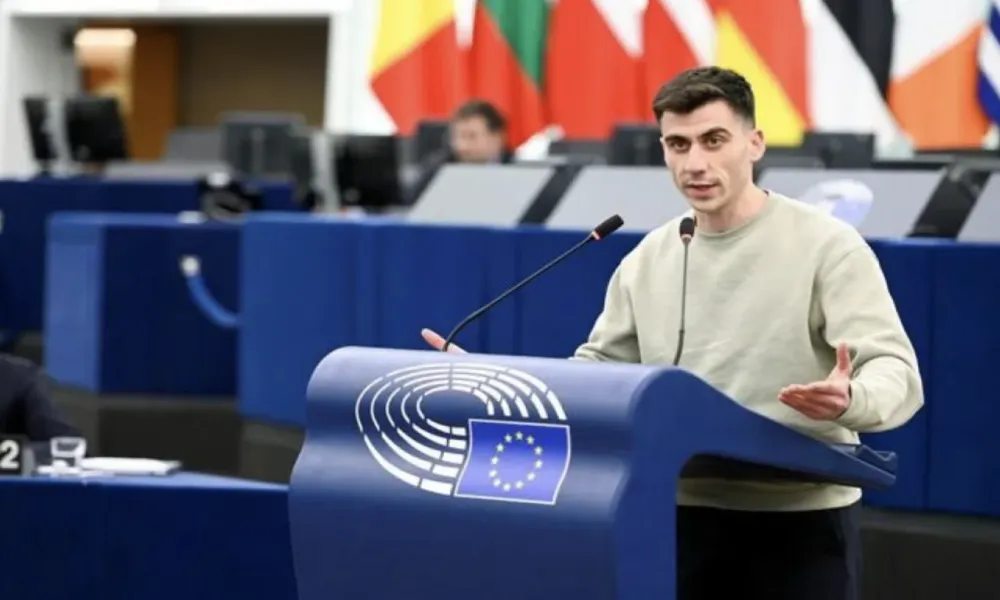

The Cyprus Paralympic Committee is launching a complaint against MEP Fidias Panayiotou at the EP, following his derogatory remark of 'crazies', in reference to people with mental disabilities, during a podcast hosting paralympic athlete Loizos Chrysanthou.
The Committee's intention was made public by President Andreas Georgiou, who told the public service broadcaster CyBC that the Panayiotou attitude and expressions are an insult to the paralympic movement, which represents everyone with disabilities.
'Declaring ignorance is not an excuse nor acceptable,' Georgiou added.
The government comdemned the MEP's remarks as problematic, as deputy spokesperson Yiannis Antoniou expressed support to paralympic team members.
Ombudswoman and Human Rights Commissioner Maria Stylianou Lottides referred to the Fidias comment as on the other side of respect and inclusion, noting that 'the road to equality and non-discrimination is long'.
What's really at issue, Lottides added, is not what Fidias has said, but its instinctive nature, which indicates these are his true perceptions and beliefs, deeply rooted in the superficiality of his words and actions on people with disabilities.
'This drags the society he's a part of, along with him'.
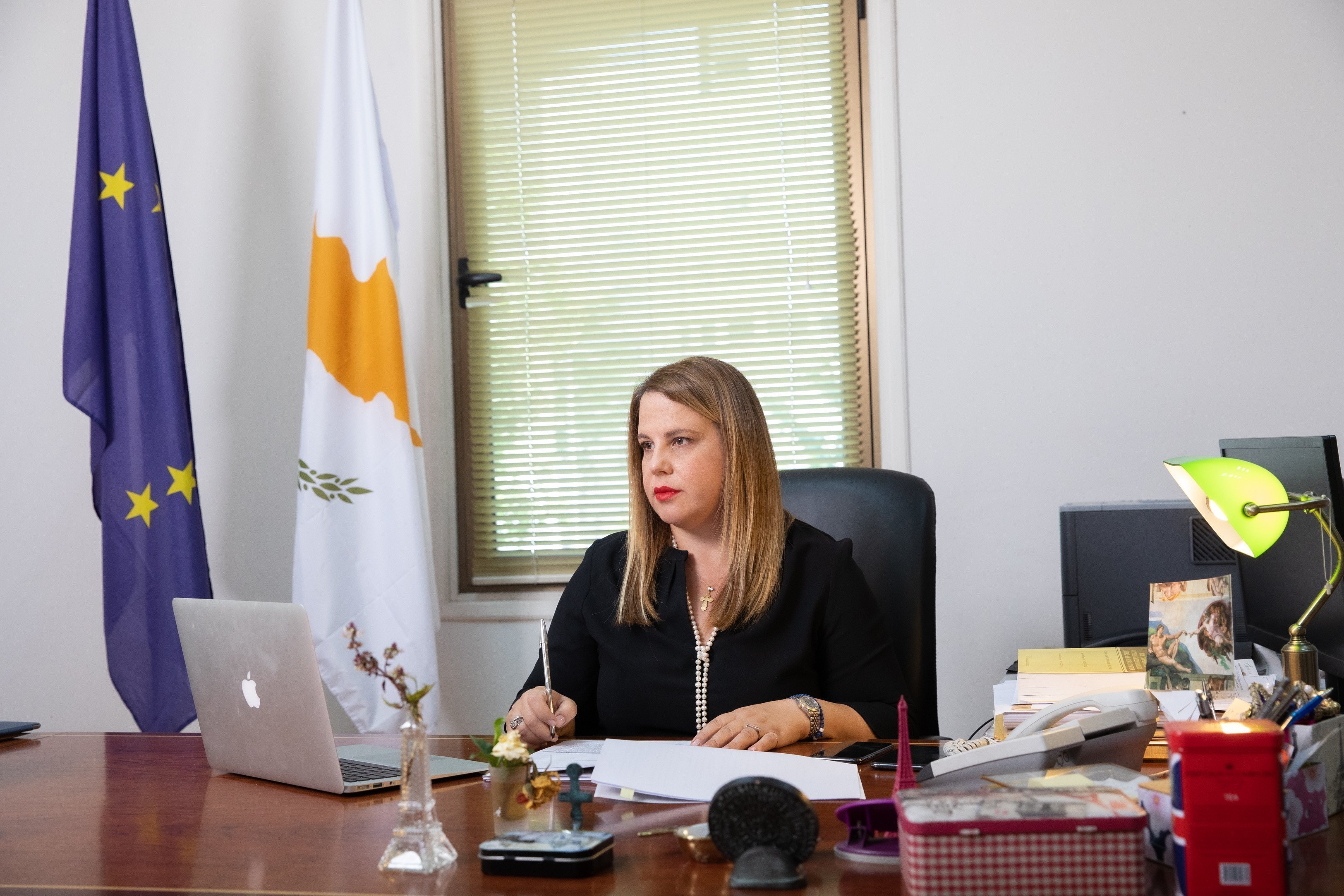
In a written statement on the incident, the Ombudswoman indicates, as pertinent to her institutional position that 'based on the CPRD UN treaty, people with disabilities are determined as individuals with long term physical, psychological, mental or cognitive injury, which coupled with other obstacles, are likely to hinder their complete and effective social participation on an equal footing with others.'
Such obstacles, are not just institutional or social, but they involve stereotypes and discrimination at such a level so as the battle of these individuals for inclusion, integration and recognition of their human rights, becomes difficult and unequal, the Obduswoman added.
Lottides stressed that when such a phrase is uttered by people who hold power and have a mandate of representing a large group of voters, the reflection of their remarks stops being superficial, but bears influence enough to undermine the foundations of a democratic society.
As brief and instinctive as the remark was, she noted, it has a dynamic and reflects a 'society poor in education and culture, which carries exclusion stereotypes and hinders the understanding that lifting the obstacles is not a favour but a human right.'
The weight of responsibility is non-negotiable and every undermining word is not acceptable as it creates discrimination, the Obduswoman concluded.
'Don't allow it.'
SOURCE-CNA