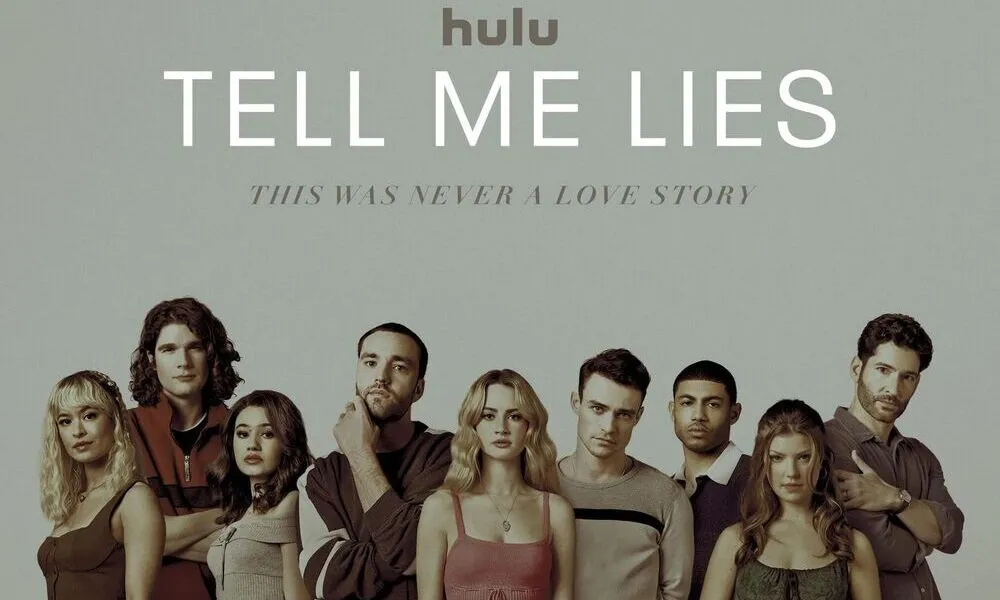
In a world overflowing with guidance, expert opinions, and how-to manuals, it’s tempting to believe we’re prepared to support the next generation. But information alone doesn’t build understanding. Sometimes, the most powerful insights come not from instruction, but from stories. Tell Me Lies, a Disney-produced drama set during the emotionally charged transition from high school to college, is one such story. And it’s not just for teens.
When I first stumbled upon Tell Me Lies, I expected the usual swirl of parties, hookups, and heartbreak. But as a parent of teenagers, students who believe they’re already adults, I quickly realized this show isn’t just entertainment. It’s a wake-up call. A raw, unfiltered glimpse into the world our young people are entering, often without the tools to navigate it.
The series doesn’t sugarcoat the challenges. It plunges into the murky waters of emotional manipulation, mental health struggles, and the blurred boundaries of sexual relationships. It explores the unsettling reality of students falling in love with authority figures, including professors, relationships that often exploit emotional vulnerability and power dynamics. It reveals how today’s sex life, shaped by digital intimacy and hookup culture, can be shocking in its intensity and confusion. And it shows how bullying and coercion don’t just happen in hallways, but in bedrooms, group chats, and toxic relationships.
These aren’t just dramatic plot twists. They’re real-life scenarios that many 17- to 22-year-olds face, often silently and without support. And they’re rarely addressed with the nuance or urgency they deserve.
What makes Tell Me Lies so compelling is its refusal to preach. In a time when young people are bombarded with messages about who to be and how to act, this show doesn’t offer answers. It offers empathy. It invites adults, parents, teachers, even policymakers, to witness how small decisions spiral into life-altering consequences. It shows how love can be toxic, how silence can be dangerous, and how vulnerability can be weaponized.
Watching it, I didn’t just see fiction but real teens, smart, curious, impulsive, insecure, trying to find their place in a world that doesn’t come with a manual. And I saw how ill-equipped many of us are to help them as we too don't come with a manual to life and parenthood.
This is why sexual education is more urgent than ever. Not just the biological basics, but the emotional literacy that helps young people understand consent, coercion, emotional safety, and self-worth. Without it, they’re left to learn through pain, and sometimes irreversible consequences.
If you’ve ever wondered what your child might encounter in college, beyond the course catalog, Tell Me Lies offers a deeply necessary look. It’s not about spying or judging. It’s about understanding. Watching it won’t give you all the answers. But it will spark the right questions: How do I talk to my teen about emotional manipulation? What does a healthy relationship look like? How can I help them recognize red flags, in others and in themselves?
Whether you’re a parent, educator, or policymaker, the path forward isn’t paved with lectures. It’s built on listening, learning, and leaning into discomfort. Life isn’t a curriculum. It’s a conversation. And the more we treat young people as humans to understand, not just students to instruct, the more we create space for growth, resilience, and real connection.
Tell Me Lies is more than a show. It’s a crash course. And in a world flooded with advice, it reminds us that sometimes, the most powerful lessons come not from what we say, but from what we’re willing to see.