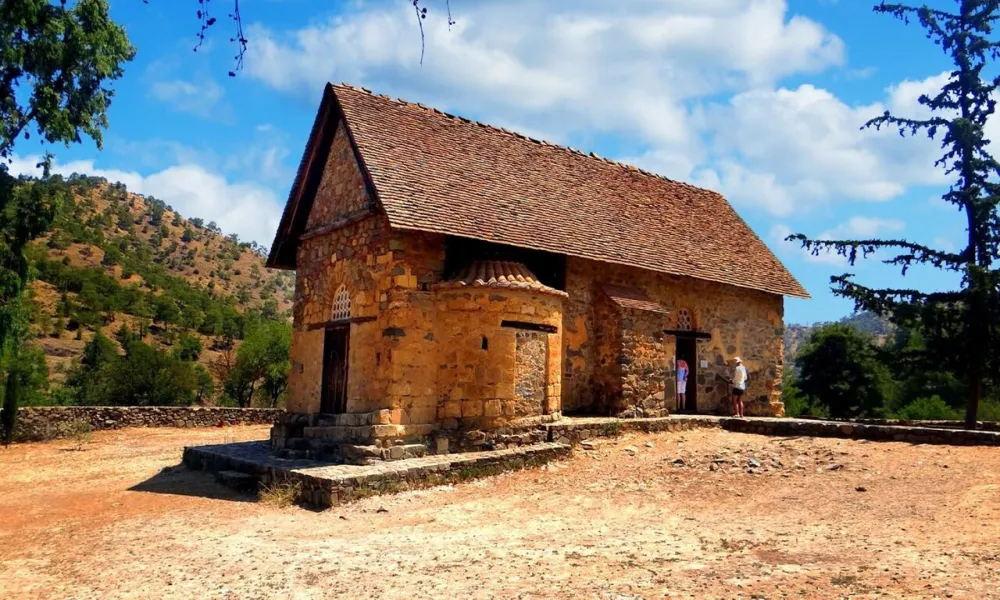

If there is one thing that makes Cyprus especially proud, it is its UNESCO-listed churches, unique monuments of faith and art, such as the Monastery of Agios Ioannis Lampadistis in Kalopanayiotis, a jewel of Byzantine heritage nestled in the Troodos mountains.
The good news for tourists and visitors is that the Deputy Ministry of Culture has announced new visiting schedules for the ten listed churches of the Troodos mountains, responding to long-standing requests from the public and local communities for year-round access. Visitors can now explore the sites six days a week, from Tuesday to Sunday.
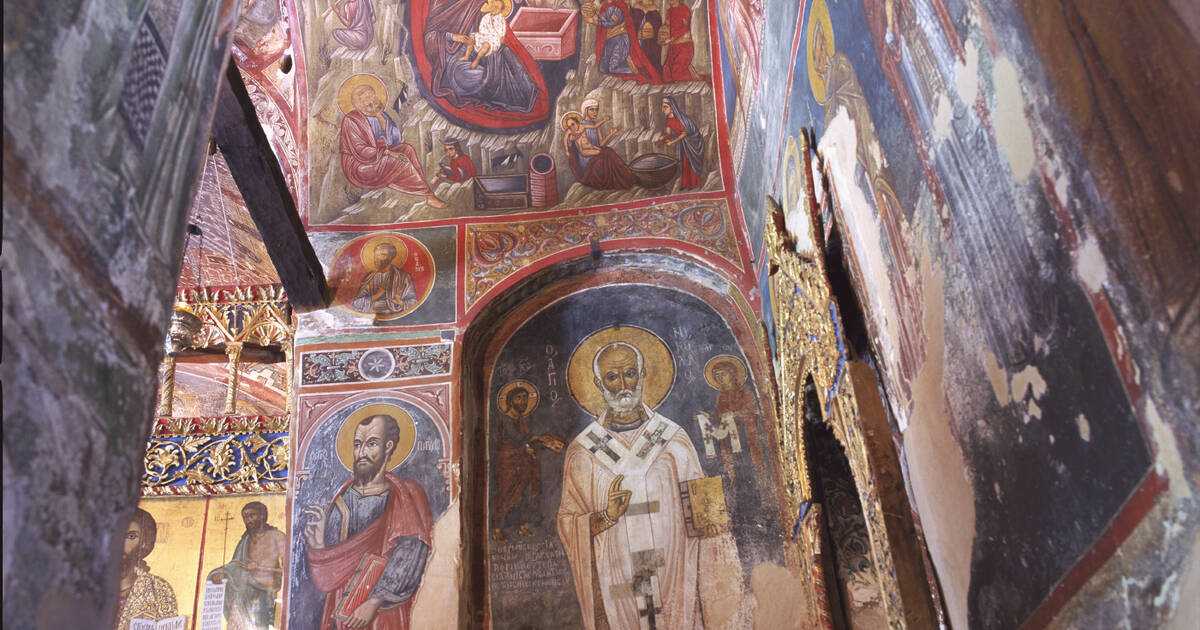
Recognised by UNESCO as part of the World Heritage List since 1985, the painted churches of the Troodos region are rare monuments of Byzantine and post-Byzantine art, preserving centuries of faith, culture and craftsmanship. Here are the Cypriot churches included in this prestigious list The only surviving monastery church in the Solea valley, renowned for frescoes spanning 400 years.
Monastery of Agios Ioannis Lampadistis (Kalopanayiotis) is actually an impressive complex of three churches under one roof, housing rare mosaics and relics.
Panagia Forviotissa (Asinou, Nikitari) is famous for its vivid 12th-century frescoes, considered masterpieces of Byzantine art.
Panagia tou Araka (Lagoudera) is one of the island’s finest cross-in-square domed churches, with striking 12th-century wall paintings.
Panagia tou Moutoulla (Moutoullas) is a small, steep-roofed chapel dated to 1280, among the earliest of its kind in Cyprus.
Archangel Michael (Pedoulas) is distinguished by its timber roof and vibrant late-Byzantine frescoes depicting military saints.
Timios Stavros Chapel (Pelendri) is celebrated for extensive 14th-century murals with strong Palaiologan influences.
Panagia Podithou (Galata) was built in 1502 and blends Byzantine and Renaissance elements in its fresco decoration.
Stavros tou Agiasmati (Platanistasa) is a 15th-century chapel showcasing exceptionally well-preserved fresco cycles.
Transfiguration of the Saviour (Palaichori Oreinis) is noted for its dynamic 16th-century wall paintings in a steep-pitched timbered church.
Panagia Chrysokourdaliotissa (Kourdali) is a restored 16th-century church surrounded by forest, with frescoes of both Byzantine and Venetian style.
Opening hours:
-
16 April - 15 September: Tuesday–Saturday 10:00–13:00 & 14:00–17:30, Sunday 11:00–16:30
-
16 September - 15 April: Tuesday–Saturday 10:00–16:30, Sunday 11:00–16:30
The churches will also remain open on public holidays, except for major religious feasts (Christmas, Easter Holy Week, and 15 August).
The Ministry thanked the Commissioner for Mountain Communities, the Church of Cyprus, local Metropolises and community service clusters for their cooperation, in collaboration with the Department of Antiquities, which ensures both visitor access and monument protection.