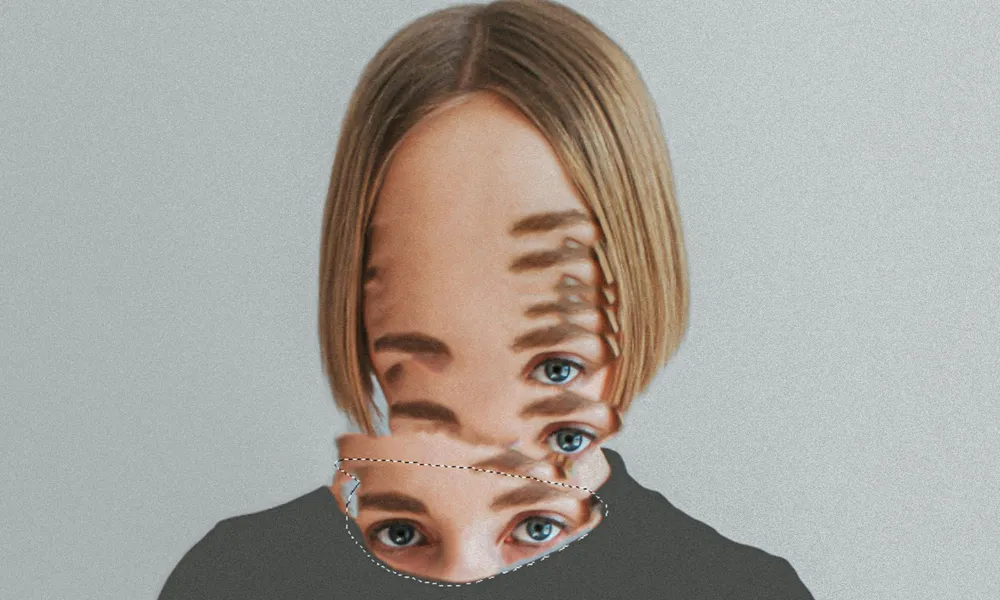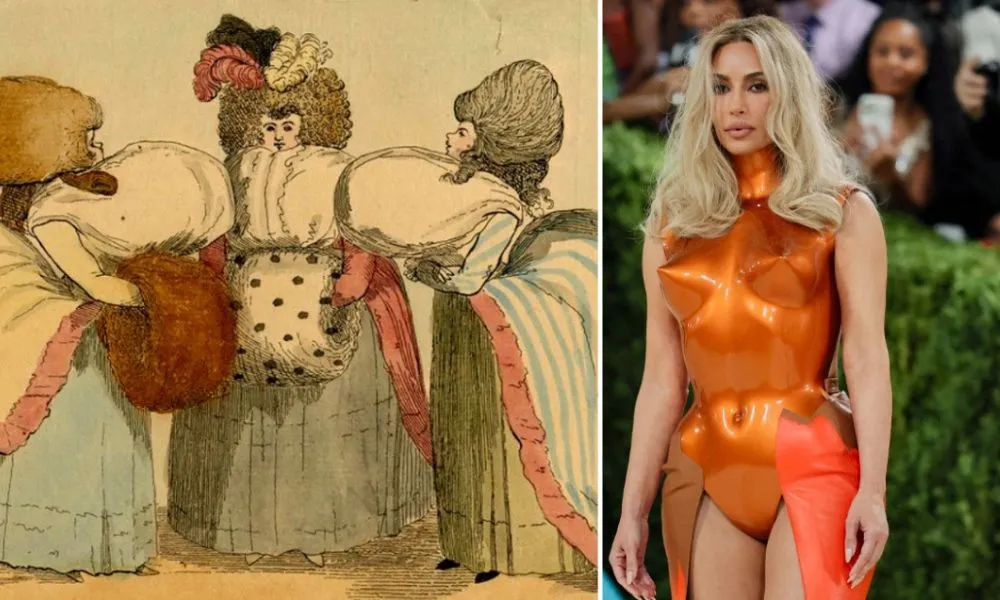

The obsession with pronounced curves, a narrow waist and a 'sculpted' silhouette is often seen as a product of the modern era, driven by social media, pop culture and cosmetic procedures. In reality, fashion history shows that the urge to 'construct' the body runs deep and has repeated itself over centuries, simply through different means.
The history of 'constructed' curves
In Western tradition, the female body has never been regarded as neutral or purely natural. Instead, different eras have chosen which features to emphasise, conceal or exaggerate. The décolletage, waist and hips have consistently occupied centre stage, while other parts of the body, such as the neck, arms and ankles, were treated as zones of partial revelation.
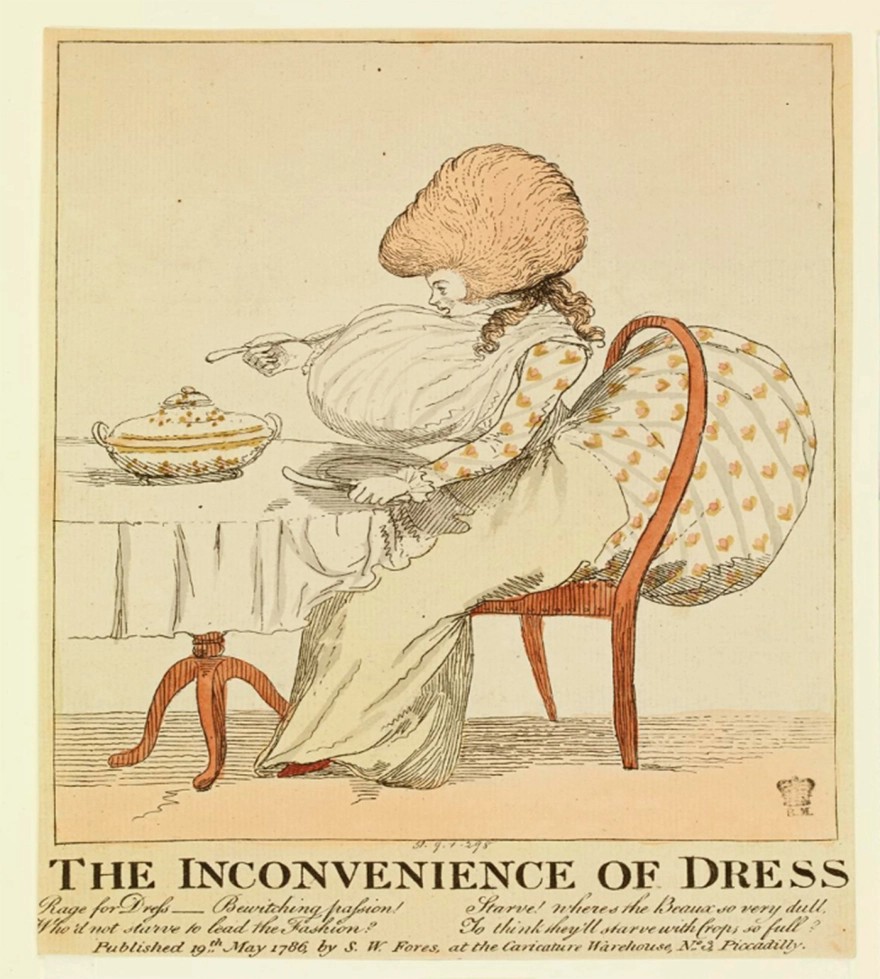
Even the legs, now considered a central feature of the female form, did not appear publicly in Western fashion until the 20th century. Historian Anne Hollander argued that in Christian Europe, legs gradually lost their aesthetic and symbolic significance, while the chest gained greater moral and visual importance. In this way, the idea of the 'ideal body' has always been a cultural construct rather than a fixed reality.
The 18th century: fashion as architecture
In 18th‑century France, particularly between 1727 and 1780, fashion reached one of its most striking phases of artificial body shaping. Under Louis XV and within the aristocratic culture of the court, the silhouette became almost architectural in its design.
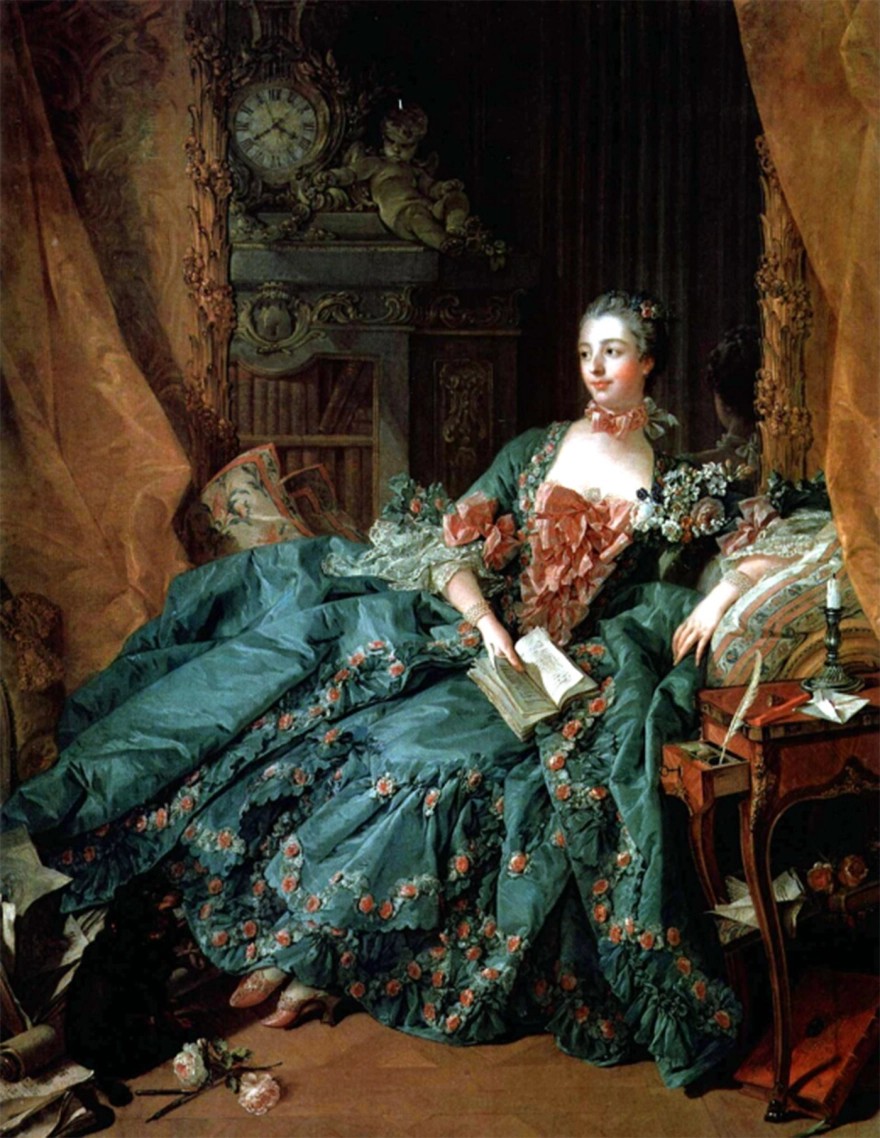
This is clearly reflected in the art of the period. In portraits of Madame de Pompadour by François Boucher, or in the light, floating scenes of Fragonard such as The Swing, the body appears not as natural, but as shaped by garments that create volume, curves and symmetry. Even portraits of Marie Antoinette by Élisabeth Vigée Le Brun present a highly controlled and artificially 'sculpted' image.
Corsets and panniers: the body as construction
The female image of the 18th century was not based on the natural body but on a full system of dress designed to reshape it.
The corset created an extremely narrow waist while lifting and projecting the chest, producing a silhouette that could not exist without rigid shaping. At the same time, panniers, structural frames worn at the hips, dramatically widened the body, creating a figure that was both tightly cinched at the centre and exaggerated at the sides.
The result was a nearly geometric body, which often required women to adjust their movement, sometimes even walking sideways to pass through narrow spaces.
The false rumps of the 1770s
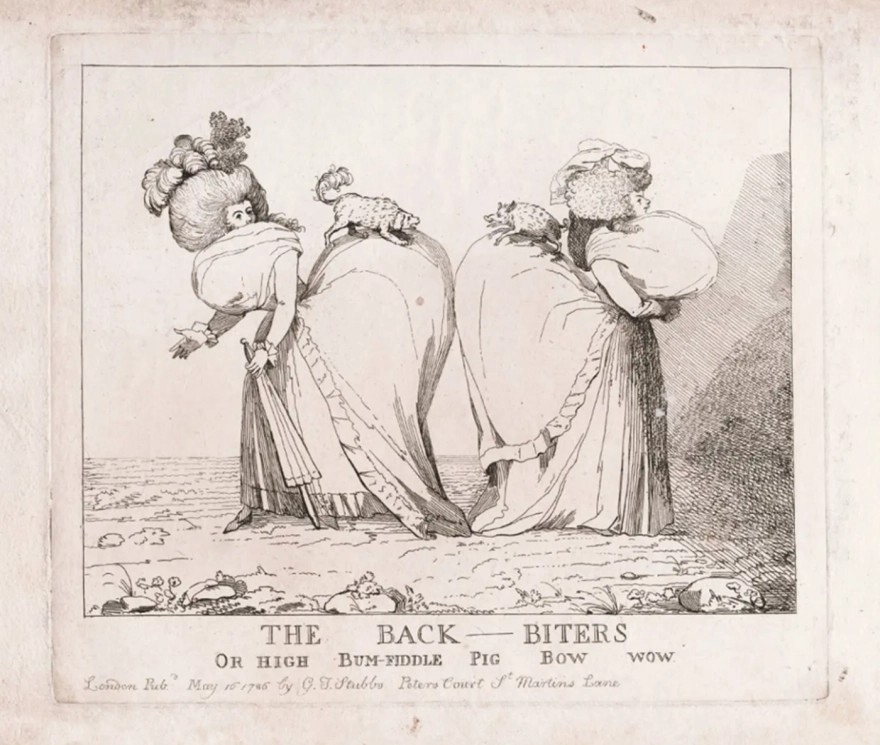
In the 1770s and early 1780s, a particularly distinctive fashion emerged: the so‑called false rumps. These were padded structures placed at the back of the body, often made from cork or fabric and worn beneath clothing.
Their purpose was to enhance the volume of the hips and buttocks, while making the waist appear even narrower. In modern terms, they can be seen as an early form of body shaping — even a historical precursor to contemporary enhancement techniques.
At the time, they were often met with satire. Caricatures and printed illustrations mocked their excess, presenting them as symbols of vanity and exaggeration. There were even suggestions that they should be taxed as a luxury item.
By the late 1780s, the trend had largely faded, replaced by the idea of a more restrained, flatter silhouette. Yet, for a brief moment, it dominated fashion and revealed how far aesthetic ideals could be pushed.
From wigs to filters
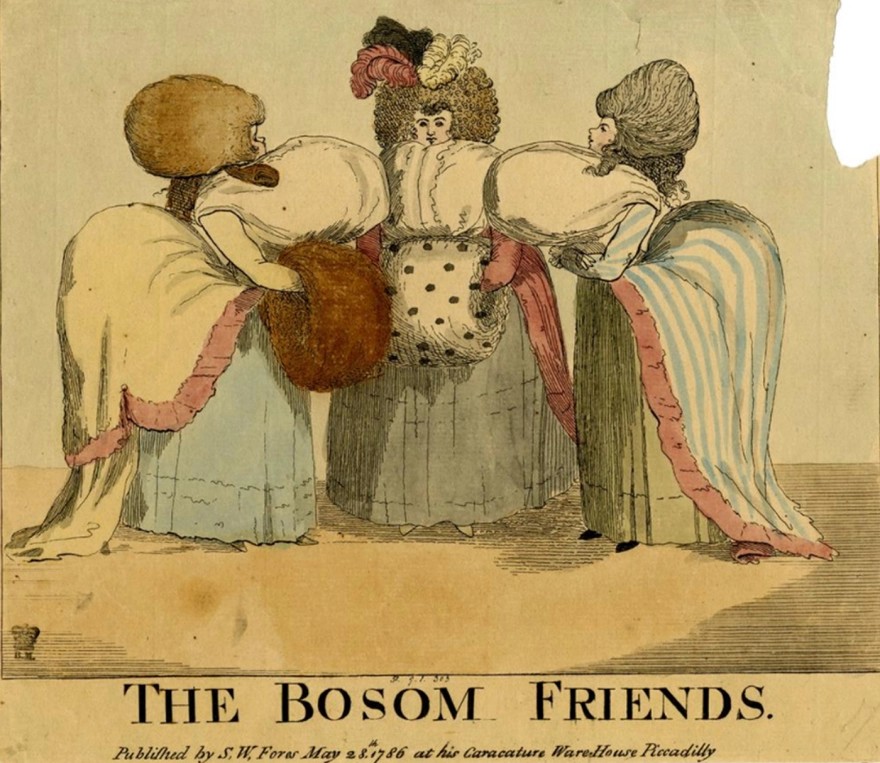
The exaggerated silhouette was not an isolated phenomenon. It formed part of a broader visual culture centred on artificial appearance.
At the same time, wigs reached extreme heights and were decorated with objects such as ships, carriages and feathers, while faces were covered in white powder and adorned with decorative beauty patches.
In the 19th century, the emphasis on shaping continued through corsets, while the 20th century gradually introduced more exposure of the natural body, with legs becoming visible after the 1920s.
The same idea, new tools
Today, the historical impulse to “construct” the body has not disappeared, it has simply evolved.
Shapewear, targeted fitness, cosmetic procedures and even social media filters all continue the same logic: shaping the body into an ideal that is not entirely natural, but carefully curated and constructed.
Across the centuries, the tools have changed. The idea has not.