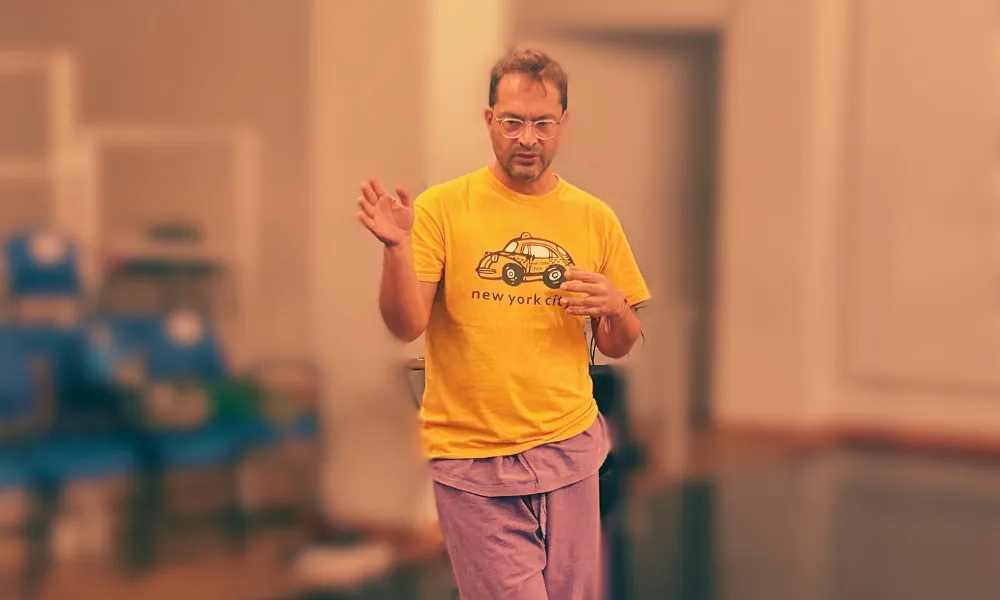

Christos Polymenakos is a distinct voice in contemporary dance dramaturgy. As both a dramaturg and mentor, he navigates the delicate terrain between artistic vision and collaborative practice. Recently, he completed a performance exploring transgenerational gender stereotypes alongside a masterclass on dramaturgy as a collaborative praxis. Amid preparations for the Cyprus Choreography Platform 2025 (14 - 16 November), seven works by young and established choreographers are set to be presented at Rialto Theatre where Polymenakos will mentor the artists through their creative journeys.
Mentoring is not new in the arts, but the role of a dramaturg mentor, especially in contemporary dance and experimental performance, has become more visible at least in Cyprus, in recent decades. A dramaturgy mentor supports artists in designing artistic research, shaping artistic vision, clarifying themes, and ensuring the work resonates with audiences.
Acting as both guide and sounding board, they foster dialogue, reflection, and experimentation, helping artists discover their own voice and develop works that are meaningful, cohesive, and socially engaged. In dance and performance, they participate in rehearsals, provide feedback on research and creative processes, movement, pacing, text and narrative clarity, and help integrate ideas from performers, supporting choreographers in connecting their work to audiences and communities.
Bridging art and community
For Polymenakos, the dramaturg’s role extends far beyond observing a rehearsal or offering critique. “Dramaturgs are the people who collaborate in identifying, creating, and sharing connections between the work and the communities in which it exists,” he explains. “This role should not be detached or prioritized over the roles of others. It is a role performed by all creative collaborators.” While these words may sound abstract, he stresses that dramaturgy is a practical act of connection, a translation of ideas, feelings, and potentialities into shared experiences.
He distinguishes between theoretical approaches to dramaturgy and collaborative praxis. “The theoretical approach can be very nourishing,” he says, “but physical, embodied discourse is increasingly recognized as equally important in a holistic creative ecology. Dramaturgy as a collaborative praxis acknowledges all the agencies and interactions that shape life and art.” In other words, it is only a matter of thinking about art, but of experiencing, experimenting, and responding in real time with the creative team.
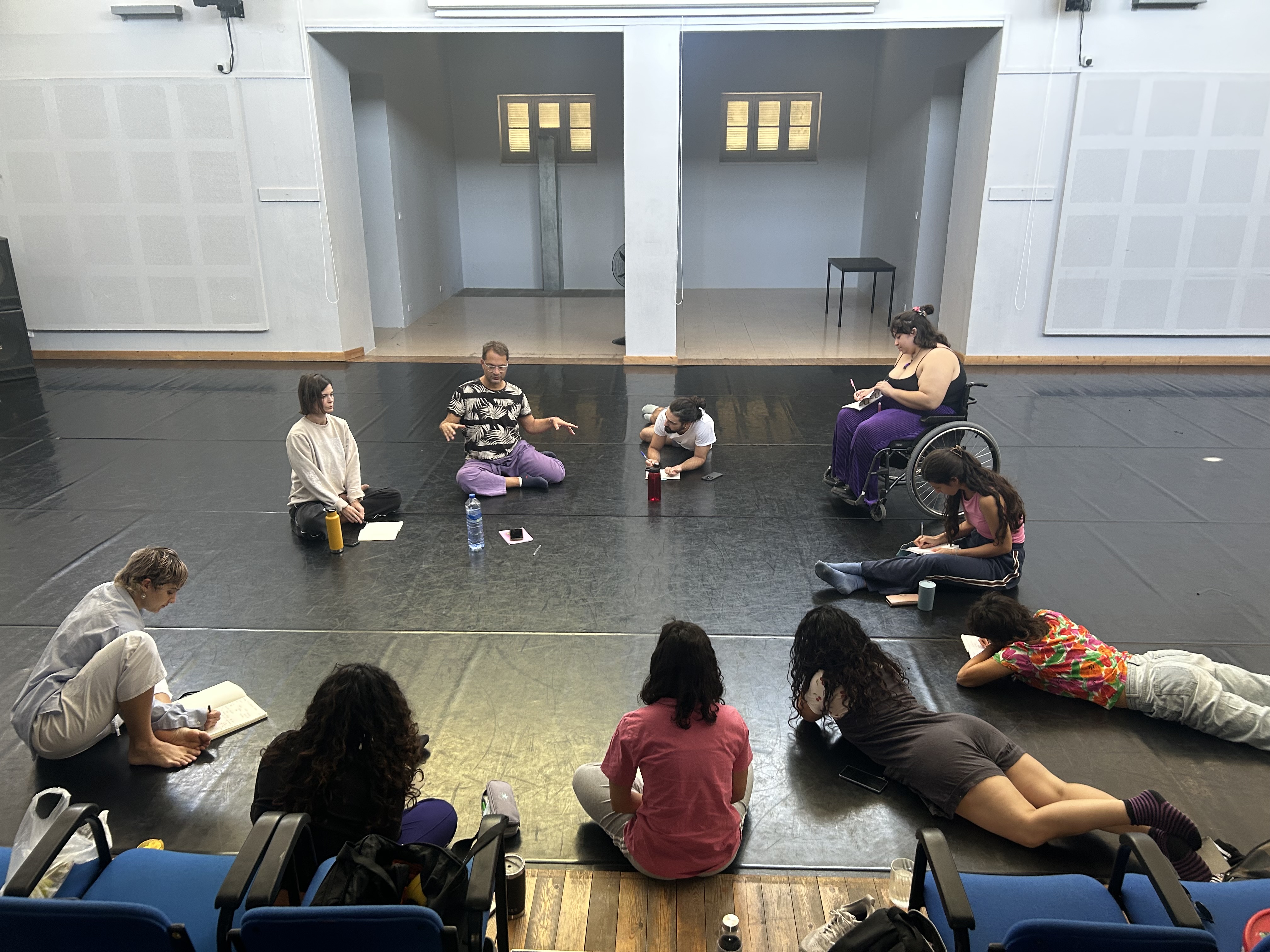
experimenting, and responding in real time with the creative team.
Mentoring as a journey
When it comes to mentoring emerging choreographers, Polymenakos sees his role as both supportive and facilitative. “It is about a dialectical, collaborative process,” he explains. “The aim is to identify the gut feeling of the proposed work and create rehearsal processes, publicity, and production management that enhance the work’s connection with its communities. Last but not least, to ensure that artists remain true to their own identity and timeliness.”
“Supporting works in progress”, he says, “requires a delicate balance of care and structure, respect, tenderness, playfulness, consistency, and sincerity. And consensual time management,” he adds.
The most in limited time
In the Cyprus Choreography Platform, the Young Choreographers category presents the selected dance artists with the challenge of crafting 15-minute works. Polymenakos observes, “Just the idea that time is not enough is a challenge. It is more than enough, and we all come to enjoy this. One needs to consider the production realities dance artists face in Cyprus. Contemporary art, through which different communities can connect locally and internationally, benefits from acknowledging the infrastructural and monetary support required”.
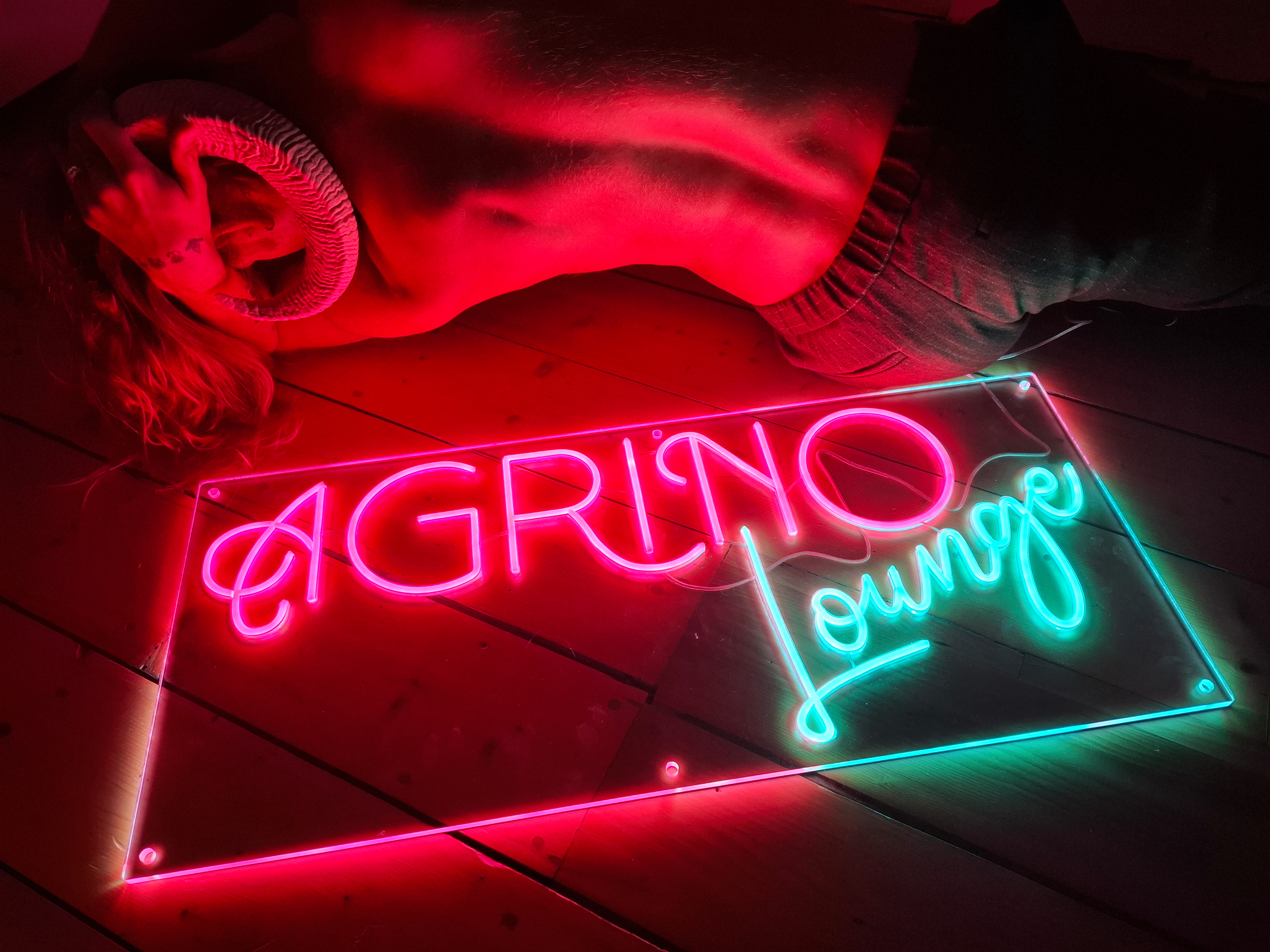
Cyprus dance scene
Polymenakos highlights the unique qualities of the local dance community. “Talking about the young choreographers I am collaborating with, I see aesthetic diversity across a wide spectrum, the need to address and voice the lives of different communities, and the need to explore an identity that brings the local and international into dialogue,” he explains.
The dramaturg’s presence, he believes, is most effective when it is collaborative rather than imposed. “When imposed hierarchically, it suppresses creativity and promotes totalitarian aesthetics. When the dramaturg’s role is shared or integrated equally, it truly enhances works connected to their society’s communities.” In this sense, dramaturgy becomes a model for collective, co-creative artistic processes.
He hopes his mentees gain insights that go beyond technique and aesthetics. “I am eager to find out more through our collaboration and the days of mutual feedback that will follow the performances,” he says, emphasizing the ongoing, dialogic nature of learning in his mentorship approach.
Exploring social themes
Anthi Kettirou’s recent performance Wooomanhood 101, which tackles patriarchal grooming across generations, illustrates his commitment as a dramaturg to socially engaged art. “In both the performance and the Dance House Lefkosia masterclass, I use my body/word Performance Writing methodology to enable groups to collaborate in exploring perspectives on social issues. These fields are interconnected through respectful professional collaborations.”
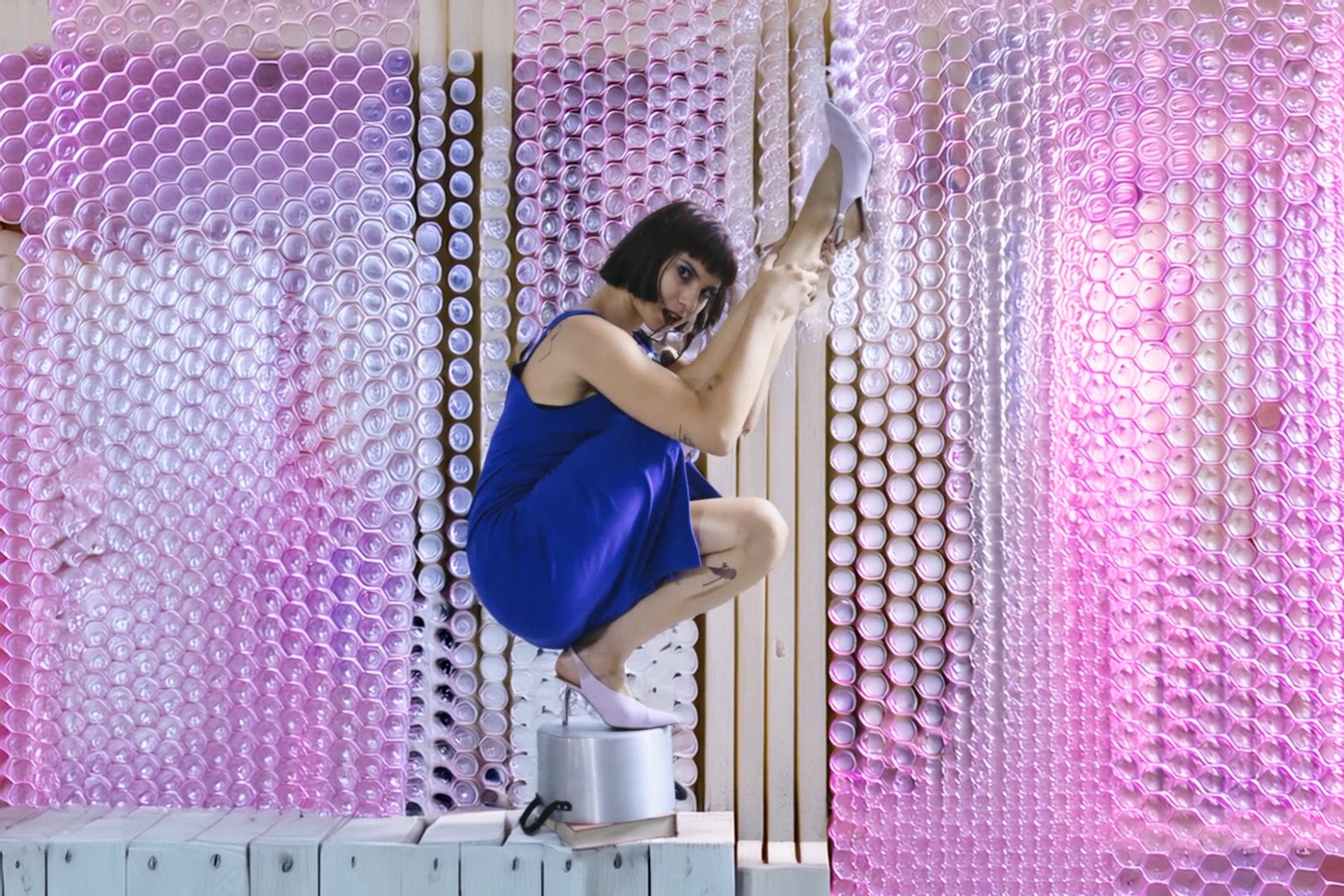
“Wooomanhood 101”, Anthi Kettirou - Art|Haus, AI art: Suzana Phialas.
This philosophy extends to installations as well and refers to WET was a game of water by Petros Konnaris, presented as a performative installation. Polymenakos reflects that “performativity is about how people, animals, ideas, materials, and other processes ‘do’ things. Dramaturgy explores these doings during research and creative processes. An installation is another way to invite people into an experience. We should remain critical but open to how experiences are shared rather than focus on genre specifics”.
A Dance ecosystem
Polymenakos sees the Cyprus Choreography Platform and its Parallel Events / Dance Throughout the Year: 25 YEARS REVISIT by Dance House Lemesos, as opportunities to foster a new creative ecosystem. “It is all about the curation, the dramaturgy of bringing these experiences together in the context of Cyprus. So yes, it does create a new ecosystem for dance,” he notes.
The relationship between theater, dance, and theory remains central to his work. “I feel excited and alive by the endless possibilities that different subjects bring. Seeing life and art as a dynamic hybrid process and sharing this journey with others feels aligned with my existential quests,” he explains.
In three words
Polymenakos identifies moments of both challenge and inspiration as defining his career. “All the moments of challenge due to poor decisions or infrastructure and all the times people walk out of a collaboration and then feel inspired and interconnected are defining. Both strands are rewarding, fulfilling, and inspiring.”
And he chooses three words for what dramaturgical collaboration means to him: “Connectionning, togetherness, interaction”.