
Limassol has long been synonymous with celebration, satire and song. For decades, however, much of that history went undocumented, with only isolated efforts — notably the book by Stelios Georgiades - preserving fragments of its past. Today, that gap has been filled.
Established in 2024, the Limassol Carnival Museum offers a permanent home to what was once a fleeting, ten-day spectacle. Housed within the Panos Solomonides Municipal Cultural Centre, the museum spans three floors and presents carnival not as nostalgia, but as a living, breathing tradition.
Designed by architect George Papadopoulos - himself closely associated with the carnival as a float creator - the museum officially opened to the public in February 2025. It now welcomes visitors daily, including Saturday mornings, with extended hours and free entry during the carnival period. Schools in particular have embraced its interactive format.
A living archive
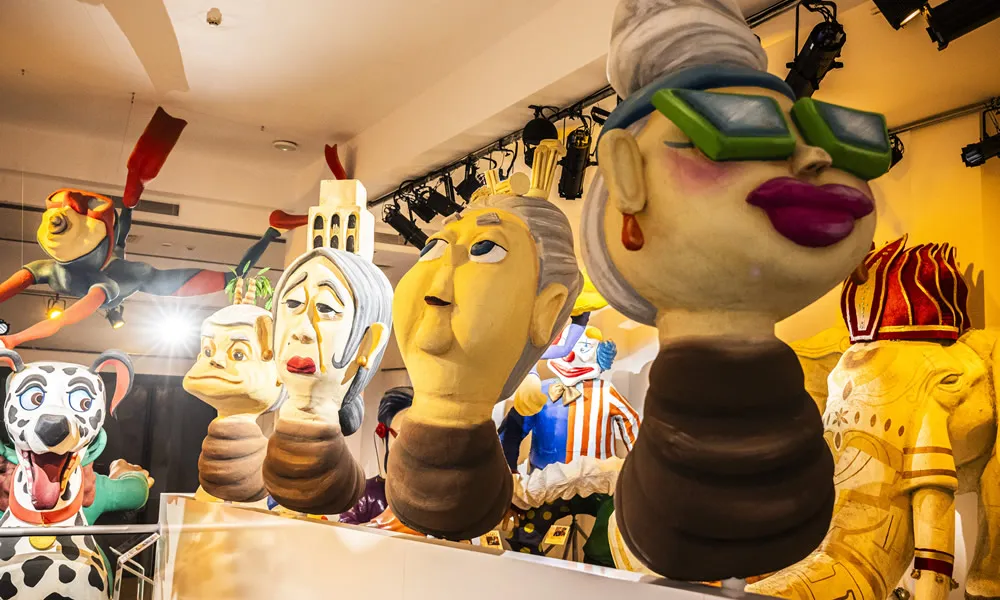
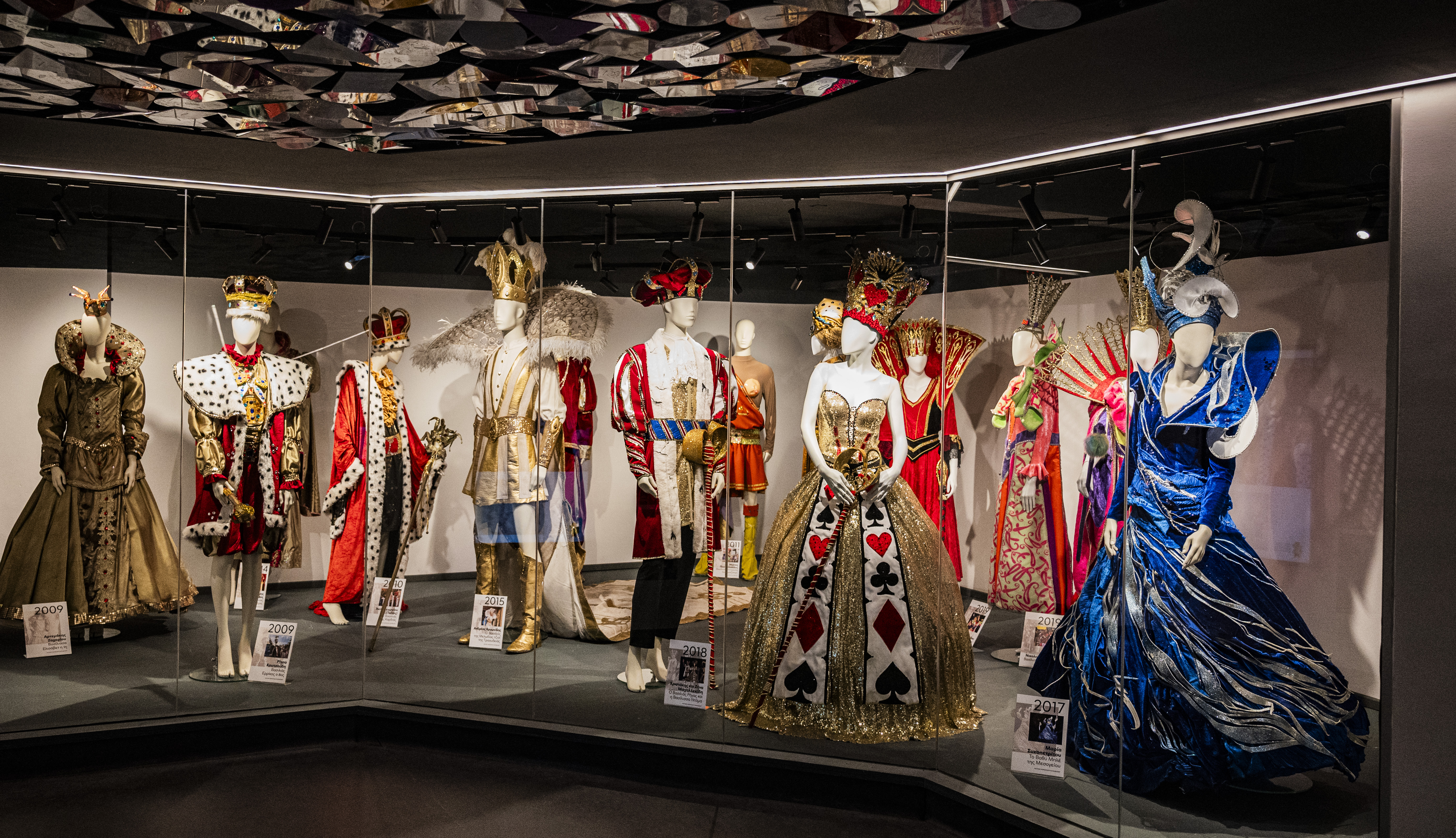
Visitors can explore drawers and displays dedicated to Tsiknopempti, the grand parade, the cantadores, music, dance and the children’s procession. A large showcase exhibits royal carnival costumes from the era when real individuals began assuming the role of king and queen.
Elsewhere, rare artefacts and musical instruments sit alongside archival material documenting key figures and milestones in Limassol’s carnival story.
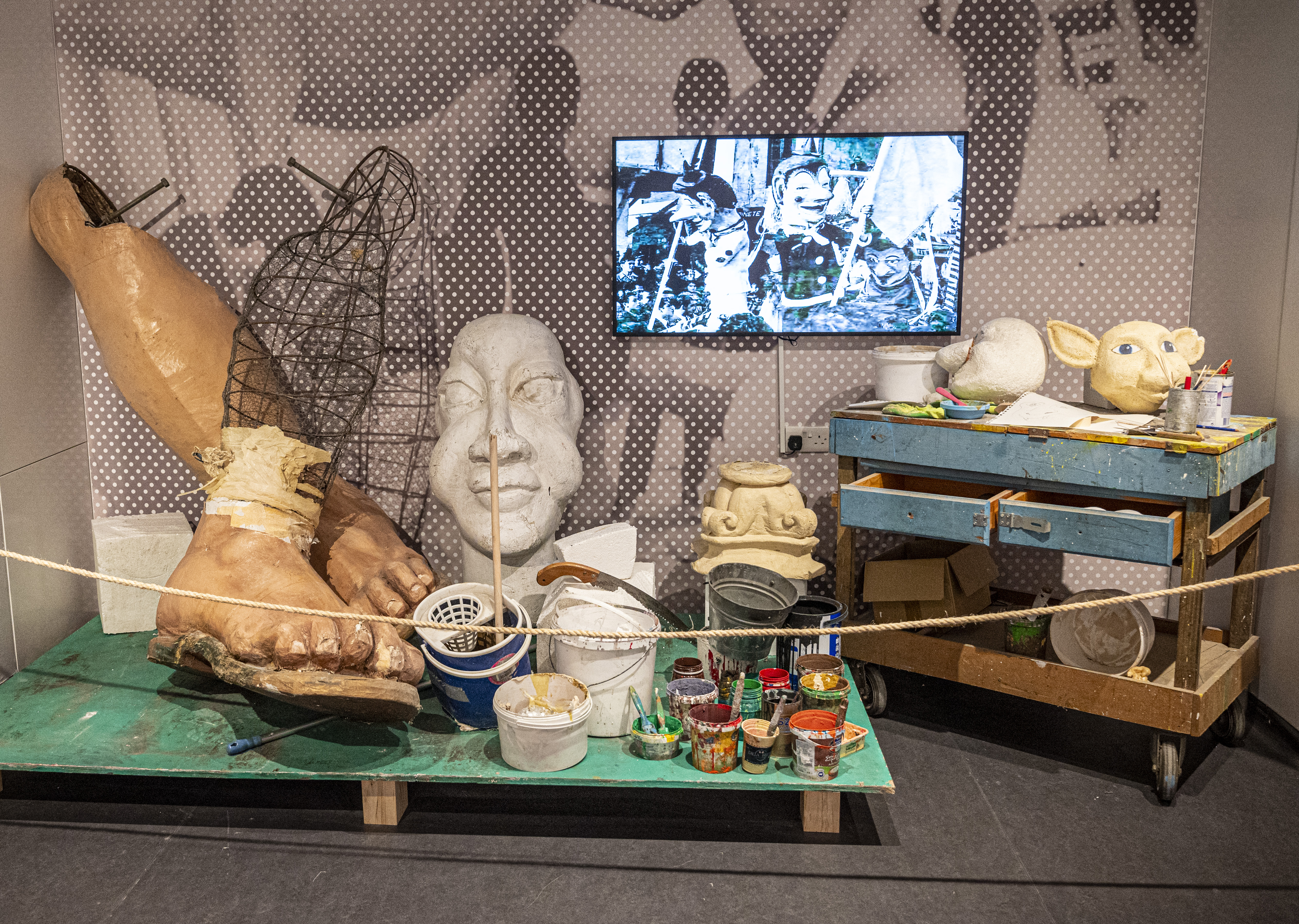
The museum also pays tribute to float builders and costume makers, explaining how elaborate creations were once crafted entirely by hand. Original sewing machines and authentic handmade costumes are displayed, highlighting a craft that, in some cases, survives to this day.
Confetti, satire and spectacle
Among the most evocative exhibits are wax eggs filled with confetti - once a novelty of the early 20th century and now a symbol of carnival’s enduring spirit. The museum also showcases preserved float constructions, underlining the central role of satire in Limassol’s festivities - a defining feature that set the city’s carnival apart.
In the main hall, visitors can watch educational videos, learn carnival dances and take part in interactive activities matching costumes to objects. Archival footage allows guests to curate their own journey through decades of celebrations.
For Limassol, the museum represents more than preservation. It signals that the carnival is no longer just a brief seasonal escape from “cares and worries”, but a year-round cultural landmark — a permanent home for the city’s most colourful tradition.