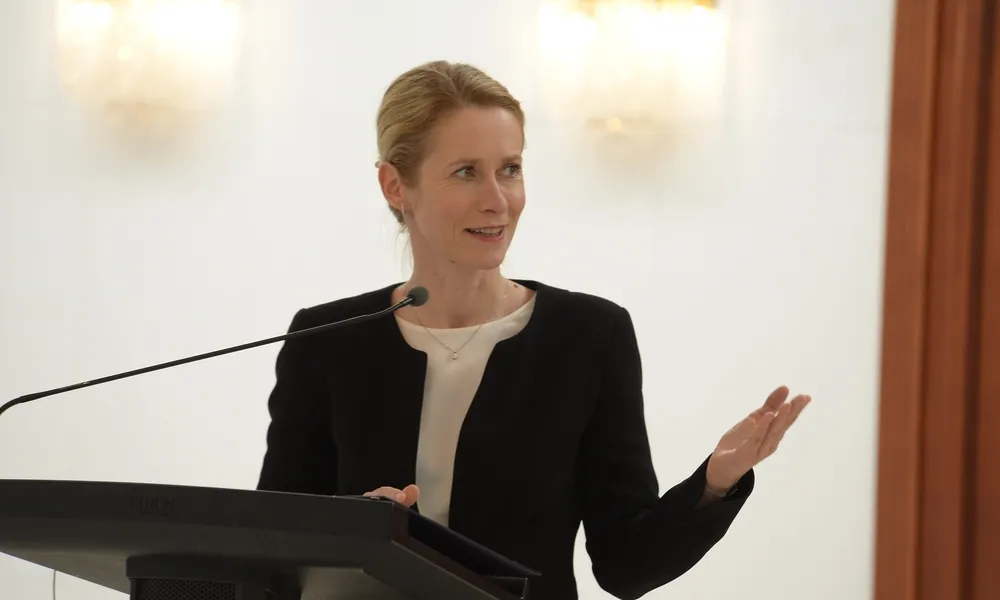

The European Union remains committed to defending and strengthening the multilateral system, according to Kaja Kallas, who warned that the international order is facing increasing strain.
In a statement marking the International Day of Multilateralism and Diplomacy for Peace on April 24, the EU’s High Representative for Foreign Affairs and Security Policy stressed the need for stronger cooperation and respect for international law.
Kallas said the global order established over the past 80 years is under growing pressure, with international law being violated or ignored and institutions designed to safeguard peace increasingly challenged, even by those who helped create them.
She pointed to Russia’s war against Ukraine and conflicts in the Middle East and Sudan as examples of mounting threats to the principles of the United Nations Charter. Civilians are being targeted, infrastructure destroyed and international humanitarian law breached with near impunity, she noted, warning that unaddressed violations risk further weakening the system.
Kallas emphasised that the United Nations remains the only global framework with the legitimacy to represent the collective interest, but added that legitimacy without compliance is insufficient. When rules are applied selectively, she said, they lose their effectiveness.
She argued that multilateralism is not failing because it is outdated, but because its principles are not consistently upheld or enforced.
The EU, she added, will continue to chart its own course in defence of multilateral cooperation, while seeking to reinforce it with renewed ambition.
According to Kallas, multilateralism must become more effective, inclusive and accountable, with respect, accountability and consistent application of international law essential for maintaining peace.
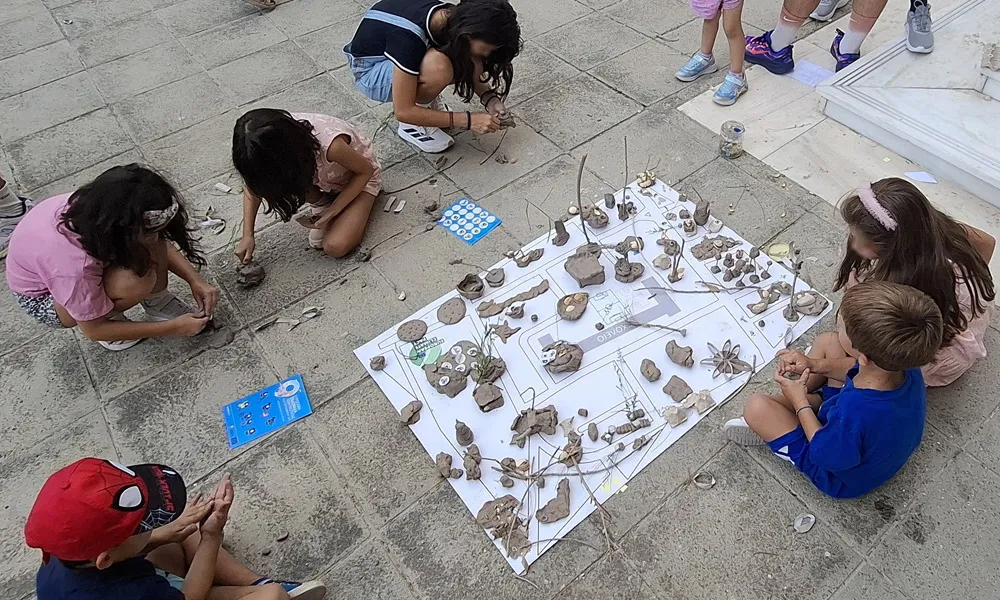
She also highlighted the importance of inclusive peace processes, particularly the meaningful participation of women, respect for human rights, mediation at both local and international levels, and partnerships involving civil society and young people.
Kallas concluded that sustainable peace depends on solutions built collectively and owned by all.
Source: CNA