


Authorities in the United Arab Emirates have warned residents and tourists not to film or share footage of missile attacks or interception sites on social media, as the war involving Iran, the United States and Israel continues to affect the wider Gulf region.
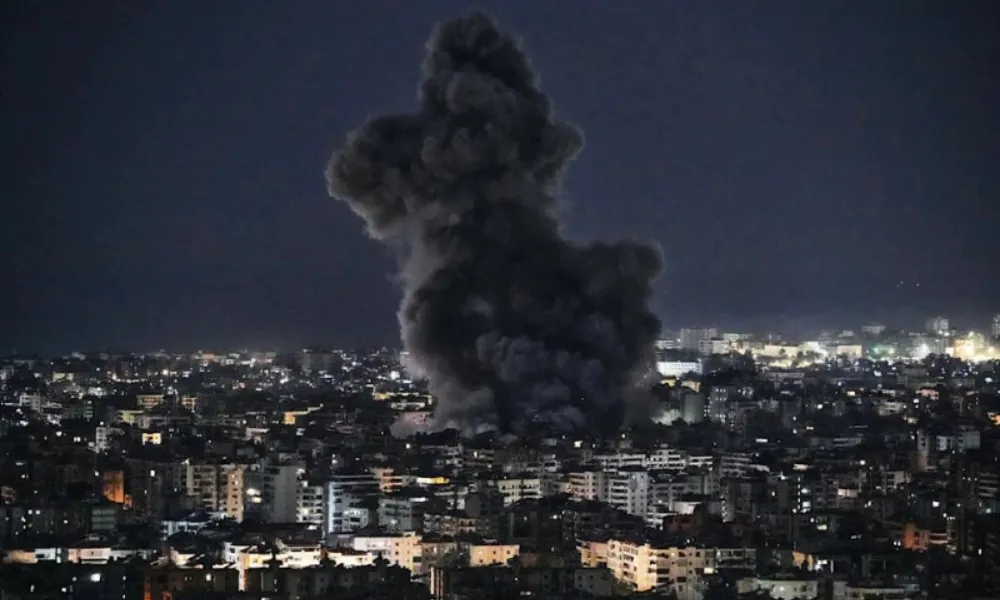
The warning comes after videos of explosions, missile interceptions and falling debris circulated widely online in recent days. Officials say such footage could compromise security operations, reveal sensitive military positions and contribute to misinformation during a period of heightened regional tension.
Second video shows Iranian drone hitting Palm Jumeirah in Dubai, causing a large explosion pic.twitter.com/Eb32bt3lFH
— BNO News Live (@BNODesk) February 28, 2026
Crackdown on filming and online posts
The UAE’s Attorney General, Hamad Saif Al Shamsi, has urged the public not to photograph or publish images from sites where projectiles or debris have fallen, warning that doing so could misrepresent the situation and provoke public panic.
Authorities also cautioned against circulating unverified information or manipulated videos related to the conflict. Under the country’s cybercrime legislation, publishing or reposting misleading material during a crisis can carry prison sentences and heavy fines. Officials say the measures are intended to protect national security and ensure that information about attacks comes only from official sources.
🚨 BREAKING: Drone strike hits Dubai, 🇦🇪 UAE. pic.twitter.com/zRp6CEhRqO
— Adi Baz (@AdiBazi16) March 12, 2026
Arrests reported under cybercrime laws
The warnings have been accompanied by reported arrests linked to online activity during the conflict. According to several reports, a 60-year-old British tourist was detained in Dubai after allegedly filming a missile strike. He is among more than twenty people reportedly charged under the UAE’s cybercrime laws for filming or sharing content related to the attacks.
Those accused could face penalties including prison sentences of up to two years and significant fines if convicted. Campaign groups have said that the scope of the legislation can be broad, warning that even resharing widely circulated footage could lead to legal consequences.
Conflict reaches the Gulf
The information restrictions come as the Gulf states increasingly feel the impact of the wider war. Since the beginning of March, Iran has launched hundreds of missiles and drones toward targets across the region following joint US-Israeli strikes on Iranian territory. The United Arab Emirates has been among the countries affected by retaliatory attacks, with missile debris falling in parts of Dubai and Abu Dhabi and causing damage to civilian areas.
Although most incoming projectiles have reportedly been intercepted by air defence systems, falling debris has still caused injuries and damage to infrastructure.
Information control during wartime
Authorities across several Gulf states have issued similar warnings as the conflict intensifies. Security officials argue that videos of interceptions, impact sites or military responses can reveal operational details that might help attackers refine future strikes. They also warn that inaccurate footage can quickly spread on social media and create confusion about the scale or location of attacks.
For governments in the region, controlling the flow of information has become an increasingly important element of managing the war’s domestic impact, particularly in cities such as Dubai that remain major global travel and financial hubs.
Sources: The Times, Le Monde, Reuters