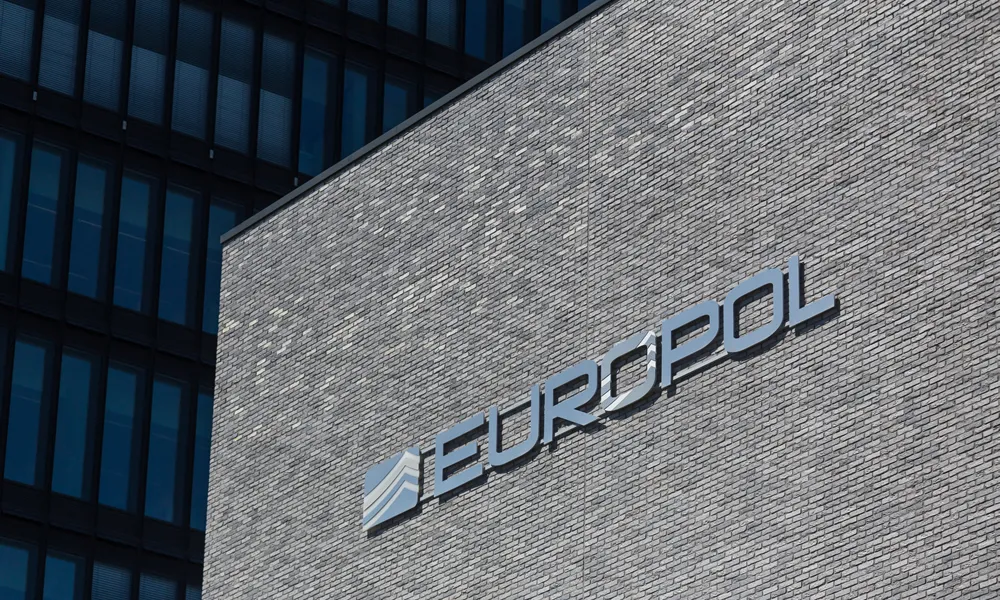

The Europol statement published on 4 December reinforces earlier reporting by Politis on the vast 700 million euro fraud and laundering scheme with links to Cyprus. Police investigations across several jurisdictions are ongoing, building on the first wave of coordinated actions earlier this autumn.

Seven suspects were arrested in Cyprus on 27 October as part of the initial phase. Europol now confirms that on 25 and 26 November authorities in Belgium, Bulgaria, Germany and Israel conducted new searches targeting individuals and companies believed to be connected to the scheme.
The seven suspects detained in Cyprus remain before the courts as France seeks their extradition. According to information obtained by Politis, the Nicosia District Court last week rejected the extradition request for a Cypriot woman arrested in the first phase, which resulted in nine arrests overall, seven of them in Cyprus. The Legal Service has appealed the decision, which is expected to be examined soon, while the hearings for the other six warrants continue. French authorities are requesting the suspects so that they may be questioned by investigative judges in France regarding the allegations.
What Europol says
In its 4 December statement, Europol outlines the operation’s chronology, from the first searches on 27 October to the second phase in late November. This latest effort, the agency notes, focused on “affiliate marketing infrastructures” as well as “companies and individuals behind fraudulent social media advertising campaigns.”
Europol describes the modus operandi as a sophisticated operation using misleading adverts that impersonated well-known media outlets, celebrities and politicians, often through deepfake videos. These campaigns were used to lure victims into investment scams that ultimately fed into a global laundering network.

The agency underscores the scale of the criminal enterprise. Investigators uncovered more than 700 million euros laundered through a maze of cryptocurrency exchanges, exploiting digital anonymity to obscure illicit flows. Europol says the measures taken in October and November represent a coordinated blow against the pillars of the online crypto-fraud industry.
Authorities will continue tracing the organisation’s assets across the countries where it operates and is based, the agency adds, signalling that further investigative steps are expected.
Sources: CNA, Europol