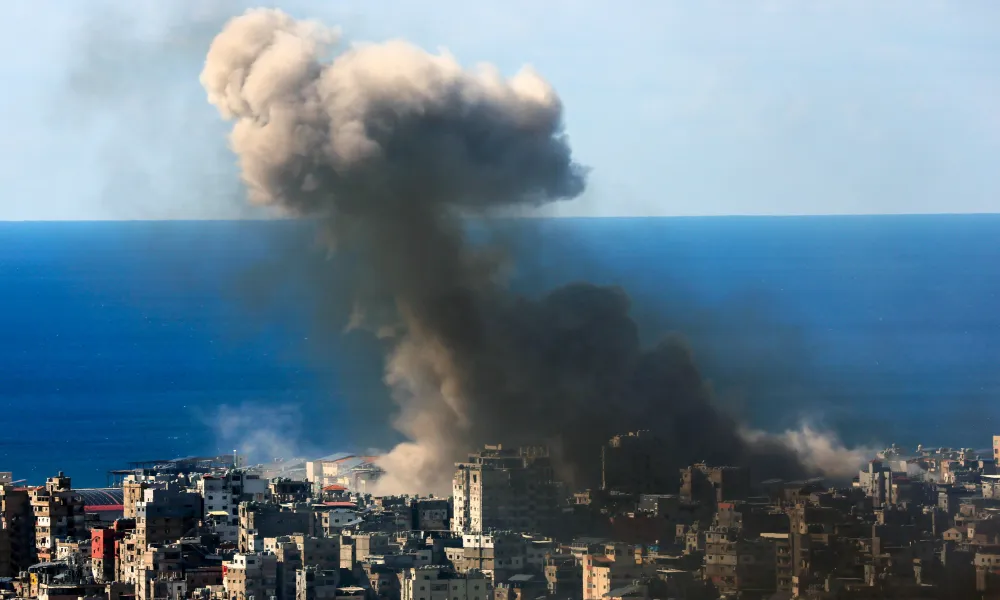

Israeli airstrikes across Lebanon have killed 687 people, including 98 children and 52 women, according to Lebanon’s Information Minister Paul Morcos. The figures reflect casualties recorded since the latest escalation in fighting earlier this month. Lebanon’s health authorities have also reported more than 1,500 people injured, with rescue teams continuing operations in several areas hit by recent strikes. The bombardment has targeted multiple areas across the country, including southern Lebanon, the Bekaa Valley and the southern suburbs of Beirut, where Hezbollah maintains a strong presence.
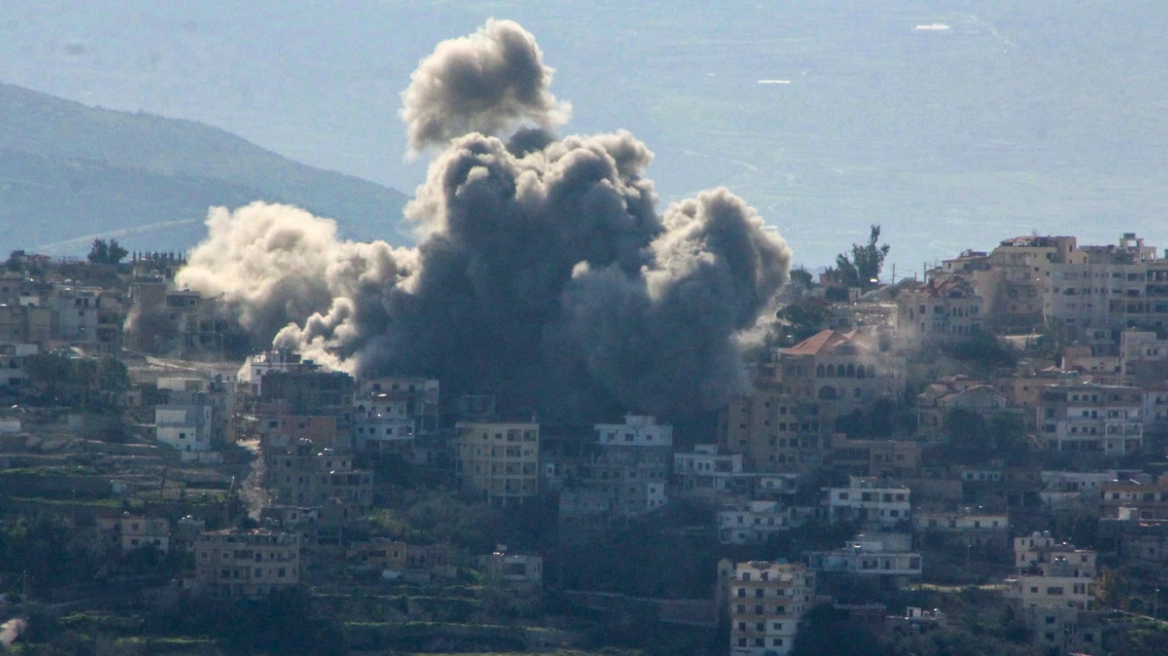
The strikes come amid an intensifying confrontation between Israel and Hezbollah, the Iran-backed armed group based in Lebanon. Hezbollah has launched rockets and drones toward northern Israel in recent days, prompting Israeli retaliation through airstrikes on what it says are military positions, rocket launch sites and infrastructure linked to the group. Israeli officials have indicated that operations may expand further inside Lebanon as the military seeks to weaken Hezbollah’s capabilities.
Civilian areas hit
Lebanese authorities say several residential areas have been struck during the campaign, contributing to the growing number of civilian casualties. In one recent attack, an Israeli strike hit the coastal Ramlet al-Baida district of Beirut, killing several people and injuring others. Hospitals and emergency services in parts of Lebanon are under increasing strain as the number of casualties rises and rescue operations continue.
Humanitarian crisis deepens
The violence has triggered a major humanitarian crisis in Lebanon. More than 800,000 people have been displaced across the country since the escalation began, according to international reports and Lebanese authorities.
Many displaced families are seeking shelter in schools, public buildings or temporary accommodation as airstrikes continue. Humanitarian agencies have warned that Lebanon’s already fragile healthcare system and infrastructure are struggling to cope with the scale of the crisis.
Fears of wider regional war
The escalation in Lebanon is unfolding as part of the broader conflict involving Iran, Israel and the United States, raising concerns about the risk of a wider regional war. Diplomatic efforts to secure a ceasefire have so far failed to halt the fighting, with Israel insisting it will continue military operations until Hezbollah’s military capabilities are significantly weakened.
Sources: The Guardian, TASS