
Renewable energy sources have expanded faster than the supporting infrastructure. The challenge now is storage, grid upgrades and interconnection. These projects are moving forward but are not yet fully mature. Once completed, they will create the conditions needed to maintain grid stability, reliability and security, reduce the risk of blackouts during periods of high demand, and pave the way for lower energy costs for consumers.
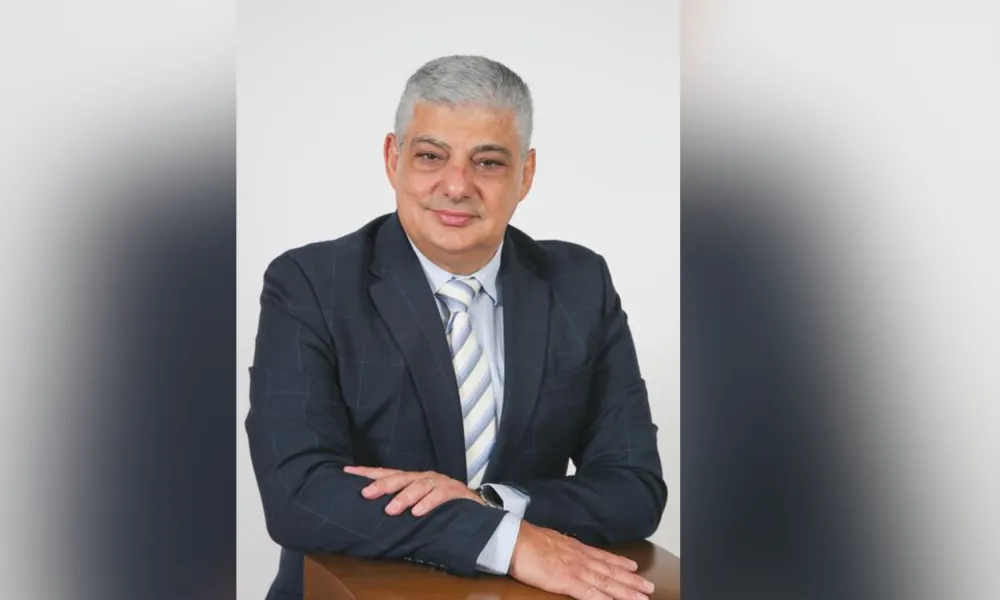
In an interview with Politis, Stavros Stavrinou, Executive Director of the Cyprus Transmission System Operator (TSOC), explains what went "wrong" and how Cyprus ended up with the paradox of curtailing excess renewable energy during the day while facing supply constraints at night, a phenomenon known as the "duck curve." He also explains why curtailments of green energy will never disappear entirely, how they can be reduced in the coming years, and why the energy transition cannot be completed simply by installing more solar panels.
What is currently the biggest challenge facing Cyprus' electricity transmission system?
Without question, the greatest challenge for any Transmission System Operator is maintaining the stability, reliability and security of the electricity system amid the rapid penetration of renewable energy sources into a small, isolated and non-interconnected grid.
As is easily understood, solar power generation is highly variable and dependent on weather conditions. Combined with the absence of electricity interconnections with neighbouring systems and the lack of flexibility resources such as energy storage systems, managing the transmission network becomes particularly demanding, especially during periods of low demand when renewable energy generation significantly exceeds electricity consumption.
As a result, a paradoxical situation emerges during certain periods of the year: substantial renewable energy curtailment is required during daylight hours, while at night the system operates with marginal generating capacity or, in extreme cases, requires rotating power cuts. This is not a phenomenon unique to Cyprus.
The biggest challenge for the energy sector and consumers, therefore, is the smooth and secure integration of renewable energy sources and storage systems, ensuring that the energy transition is achieved without compromising the reliability of electricity supply or placing excessive costs on consumers.
Solar panels saved us
During this latest heatwave, when the system was pushed to its limits at night and rotating blackouts were required, would there have been shortages during the day as well if solar power had not been available?
Based on actual system data, conventional generation alone would clearly not have been sufficient during the midday peak demand periods of the heatwave. Without solar generation, shortages would have been unavoidable.
There is no doubt that solar energy's contribution is critical. It is what enables the system to fully meet increased demand during peak afternoon hours.
Renewable energy curtailments
In short, solar power "saves" us in terms of daytime electricity adequacy. Yet there are also curtailments caused by excess renewable generation. When will this phenomenon, which frustrates both citizens and investors, come to an end?
Every day we exhaust every available technical option to minimise curtailments, while always keeping system security and stability as our top priority.
It should be understood, however, that curtailments are not a condition that can be "cured" overnight. They are a natural characteristic of systems with high renewable penetration, especially isolated grids such as ours.
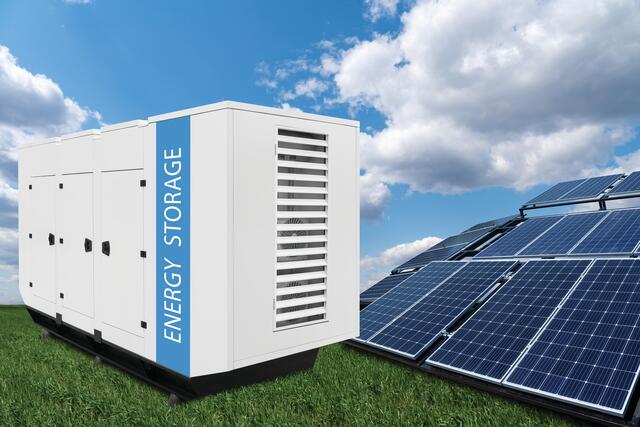
The problem will gradually diminish as new storage projects enter operation and as transmission infrastructure is upgraded or expanded to allow energy to be transported more effectively. However, their complete elimination is neither technically feasible nor economically rational.
Our goal is to manage the system in the best possible way so that the maximum possible amount of green energy generation is utilised.
Is that being achieved today?
Through generation scheduling, renewable energy is given priority. The TSOC ensures that, when renewable output must be curtailed, only the conventional generating units required for secure system operation remain online.
This approach guarantees reliable system operation and ensures sufficient capacity to meet evening peak demand.
Curtailments expected to reach 24% in 2026
How much renewable energy is being wasted?
Based on current estimates, renewable energy curtailments in 2026 are expected to reach around 15% during peak periods and between 25% and 30% during periods of low demand, particularly in spring and autumn.
On an annual basis, average curtailments are expected to amount to approximately 24% of total available renewable generation.
This means that a significant portion of the clean energy that could otherwise be produced will not be utilised, not because the energy is unnecessary, but because of limitations in the system's ability to absorb and distribute it.
What is the cost of these curtailments?
The cost is not reflected solely in lost clean energy production.
Because today's surplus midday generation cannot yet be stored on a large scale, the electricity system continues to rely on conventional thermal generation during the late afternoon and evening when solar generation declines or disappears altogether.
This results in higher consumption of liquid fuels, increased carbon dioxide emissions and greater expenditure on emissions allowances.
We didn't do everything at the same time
Did Cyprus effectively put the cart before the horse when it came to the rapid expansion of solar power over the past few years? Solar parks expanded rapidly, tens of millions were spent subsidising residential systems, yet from what you are saying, other projects should have progressed simultaneously to ensure economic viability and security of supply.
I would not say we "put the cart before the horse."
The rapid development of solar photovoltaics was a necessary first step toward achieving both national and European renewable energy targets and reducing electricity generation costs.
However, we must recognise that supporting infrastructure did not advance at the same pace.
Two or three years ago, energy storage systems were still very expensive and their commercial viability was limited. Today, the technology has matured significantly, costs have fallen, and the operation of the competitive electricity market is creating the right conditions for storage to play a meaningful commercial and operational role.
Market participants will be able to trade surplus low-cost energy produced at midday, store it, and use it when demand rises and solar production falls.
That said, it is equally true that energy storage deployment could have begun earlier or been promoted in parallel with solar development.
The current reality, where even small residential solar systems are subject to enforced curtailments, demonstrates that storage has now become an urgent necessity.
I therefore do not believe the strategy of rapidly developing solar power was wrong. Where we could have moved faster was in developing the infrastructure that supports it, including energy storage systems, transmission network upgrades and adjustments to the regulatory framework.
The energy transition is not completed simply by installing more renewable energy sources. It requires a comprehensive infrastructure ecosystem capable of using them safely and efficiently.
In other words, the rapid growth of solar power was not the mistake. The challenge was, and remains, ensuring that storage, networks and the wider supporting infrastructure advance at the same pace, creating an electricity system that is secure, reliable and economically sustainable.
The EAC's role is crucial
Is there anything that, if it depended solely on the Cyprus Transmission System Operator, you would change immediately in the wider electricity system?
If it were possible to accelerate certain developments immediately, I would prioritise three key areas.
First, I would speed up the deployment and integration of energy storage systems.
Second, I would promote the development of more flexible distributed generation units, strategically located across different parts of Cyprus. A more decentralised and flexible generation base strengthens system resilience, reduces operational constraints and improves the ability to respond to emergencies.
Third, I would accelerate the expansion and upgrading of the transmission network. The timely implementation of transmission projects by the Transmission System Owner (TSO), a function carried out by the Electricity Authority of Cyprus (EAC), is critical for the safe integration of new generation units and energy storage systems.
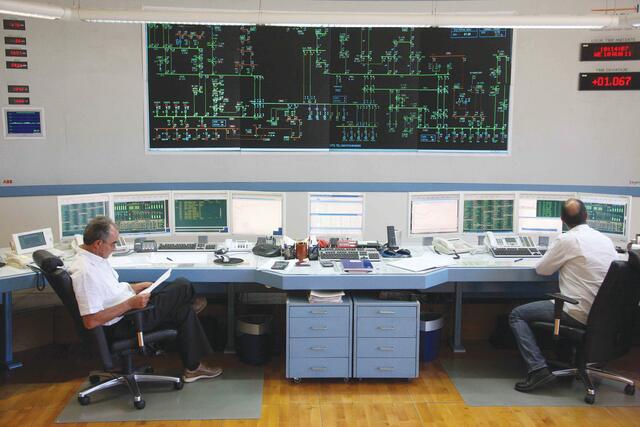
Today, several projects face significant delays, mainly due to lengthy permitting procedures and other administrative processes. Simplifying and accelerating these procedures would enable the faster delivery of critical infrastructure projects for the benefit of the entire electricity system.
So the technologies exist and the expertise is available...
The reality today is that Cyprus is at a critical stage of its energy transition. I believe the situation will gradually become more balanced over the coming years as planned investments in new generation units, storage systems and other electricity infrastructure are completed.
This balance, however, depends on all projects being delivered within their expected timelines and operating in a coordinated manner as part of the country's overall energy strategy.
The five essentials of the energy transition
According to Mr Stavrinou, Cyprus's energy security will not be guaranteed by any single project, but by a combination of new conventional generation units, renewable energy sources, storage systems, network upgrades and an effective electricity market framework.
Only through such a balanced approach will the country be able to achieve security of supply, high renewable penetration and competitive electricity prices at the same time.
The projects he believes will strengthen Cyprus's generation adequacy and energy security are:
- New private conventional power stations, which will increase the availability of flexible conventional generation.
- New solar parks combined with private storage systems, which will improve the utilisation of renewable energy production.
- The TSOC's centralised energy storage systems, which will provide greater flexibility and contribute to maintaining system stability and more efficient system operation.
- The energy storage projects being promoted by the EAC.
- EAC's new Unit 6, which will replace older units with a modern and more efficient generation facility.
When and under what conditions electricity prices will fall
What would you say to a citizen who wonders why electricity bills remain so high?
It is entirely understandable that consumers are asking why electricity bills remain elevated.
I would explain that there are two main reasons why energy costs remain high despite the significant increase in solar generation.
First, during periods of peak demand, particularly in the evening, green energy production falls to zero and we rely almost entirely on conventional fuels.
Second, conventional fuels are burdened by the substantial cost of purchasing EU carbon emissions allowances, a cost that is ultimately passed on to consumers.
As long as we do not have sufficient storage systems to retain cheap midday energy for use in the evening, and as long as we remain an isolated electricity system without interconnections, we will continue to depend on expensive and polluting thermal power plants.
The solution is therefore not simply to generate more green electricity during the day, but to build the infrastructure that allows us to use it when we actually need it.
Where does natural gas fit into this picture?
High electricity prices are largely the result of reliance on conventional fuels during peak demand periods and the associated carbon dioxide emissions costs.
The introduction of natural gas for electricity generation, which will reduce emissions-related costs, will play a decisive role. Equally important will be the implementation of electricity interconnections, infrastructure that will end Cyprus's energy isolation, stabilise the system and help reduce energy costs.
As the competitive electricity market matures, storage systems are deployed, renewable energy penetration increases further and natural gas is introduced into power generation, it will gradually become possible to pass on the lower prices already being recorded in the wholesale market to end consumers.
Benefits worth billions of euros
When do you believe Cypriots will begin to see meaningful benefits from the energy transition?
The energy transition is an ongoing process.
In fact, some benefits are already visible today. Renewable energy sources contribute significantly to covering demand during midday hours. In the summer, when electricity consumption reaches its highest levels, there would be many days on which demand could not be met without renewable generation.
As for the economic benefits, I would refer to a recent study by the Cyprus Institute, which found that:
"Renewable energy systems installed in Cyprus over the past decade have generated net benefits of €469 million in 2023 prices. These benefits will continue to increase in the coming years, reaching €3 billion by 2035. If the reduction in air pollution is also taken into account, total net benefits exceed €5 billion. The benefit-to-cost ratio is striking: for every euro invested in renewable energy in Cyprus, the economy gains at least €11 in direct benefits."
GSI is of strategic importance: storage alone is not enough
What is the significance of Cyprus' electricity interconnection with other countries through the Great Sea Interconnector (GSI) project? Can storage alone solve the problem?
Connecting Cyprus to neighbouring electricity systems is a project of strategic importance because it will end the country's current energy isolation and significantly strengthen security of supply, system reliability and the effective utilisation of renewable energy.
In particular, the Cyprus-Greece interconnection would integrate the Cypriot market into the EU's internal electricity market.
However, interconnection is not a substitute for energy storage, nor can storage fully replace interconnection. They are complementary infrastructures serving different needs within the electricity system.
Energy storage systems provide immediate flexibility within the domestic system. They store surplus solar generation during midday hours and release it when demand rises or renewable generation declines.
At the same time, they help regulate frequency, improve system stability and reduce renewable energy curtailments.
And what does electrical interconnection provide?
Interconnection offers capabilities that storage alone cannot provide.
It allows electricity to be imported when Cyprus faces generation shortfalls and exported when there is excess renewable production.
It also increases the system's resilience to major disruptions or technical failures and strengthens competition in the electricity market, helping to contain electricity costs.
Therefore, this is not a choice between interconnection and storage. The safe and efficient operation of Cyprus's future electricity system requires both.
Storage is the immediate priority for addressing today's challenges, including renewable energy curtailments and daily system balancing.
Electrical interconnection, if implemented, would add an additional layer of energy security and flexibility, further strengthening the reliability of Cyprus's electricity system.