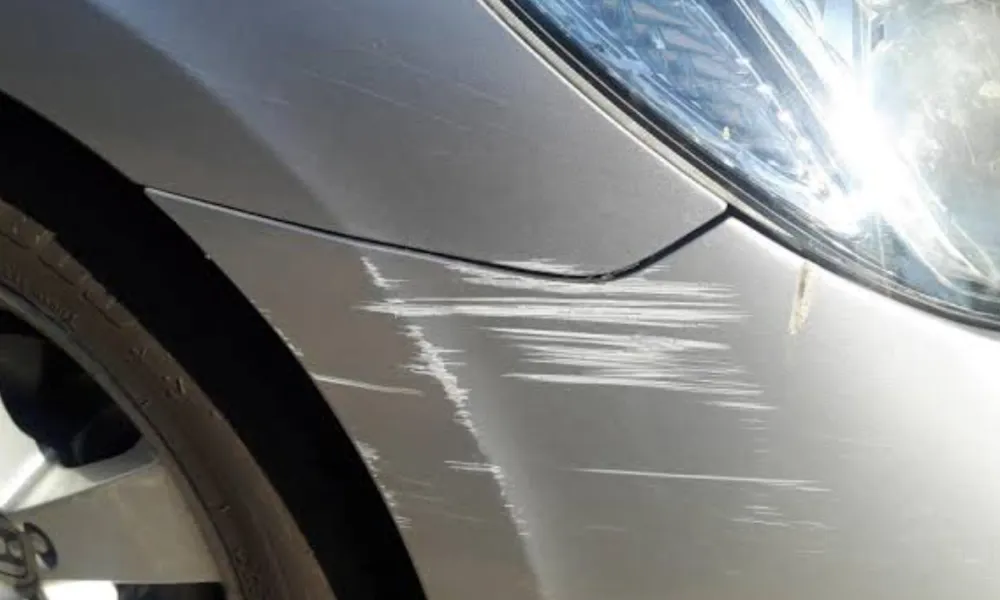

Surface scratches are among the most common forms of damage seen on vehicles, especially those parked on the street every day. Careless parking, contact with another vehicle or even small objects can leave marks on the paintwork, affecting the car's appearance.
Many drivers' first instinct is to visit a body shop or purchase specialised repair products. However, when it comes to very light scratches, there is a well-known DIY trick that can be tried at home: using toothpaste.
The first step is to determine how deep the scratch is. If you run your fingernail over the mark and it does not catch, the scratch is likely limited to the surface layer and may be improved through gentle polishing.
For this method, a whitening toothpaste with a low RDA (Relative Dentin Abrasivity) rating is recommended, as highly abrasive products may cause additional damage to the paintwork.
Before applying anything, the surface should be cleaned thoroughly with water to remove dust and other contaminants that could create new scratches during the polishing process.
Next, a small amount of toothpaste is placed on a soft, clean cloth and carefully applied to the affected area using gentle circular motions. Once the process is completed, the area should be cleaned again so the result can be assessed.
However, caution is essential. This solution is suitable only for very superficial marks and should not be considered a method for repairing deeper scratches.
If the damage has penetrated the paint layer, the primer or even deeper, toothpaste is unlikely to be effective and may actually worsen the appearance of the finish.
In such cases, the safer option is to use an appropriate scratch-repair product according to the manufacturer's instructions or, for more serious damage, seek an assessment from a professional body repair specialist.