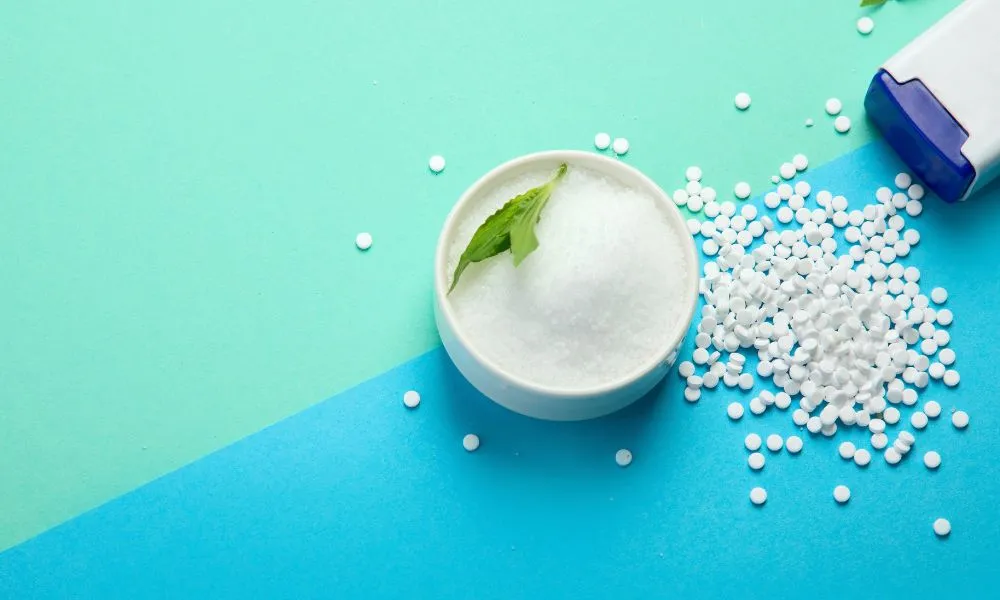

It is not the first time scientists have raised concerns about artificial sweeteners. A new French study links them to an increased risk of cardiovascular disease.
More specifically, the research was published in the British Medical Journal (BMJ). Researchers from the French National Institute of Health and Medical Research (INSERM) and Sorbonne Paris Nord University focused on common sugar substitutes, including aspartame, sucralose and acesulfame potassium, consumed through various dietary sources.
According to their findings, these substances “should not be considered a truly healthy and safe alternative to sugar.” The study also found that the higher the overall consumption of artificial sweeteners, the greater the general cardiovascular risk.
The study
The research analysed the dietary habits of 103,338 people with an average age of 42. Around 37% of participants consumed artificial sweeteners, with an average intake of 42 milligrams per day.
Higher consumption was observed among younger individuals, those with higher body weight, smokers and people with lower levels of physical activity, who generally consumed fewer fruits and vegetables but more processed meat, dairy products and sugary drinks.
The findings
Over the following nine years, 1,502 cardiovascular events were recorded, including heart attacks, angina and strokes. Overall, artificial sweetener consumption was associated with a 9% increased risk of cardiovascular disease.
More specifically:
- Aspartame was linked to a 17% higher risk of cerebrovascular events
- Sucralose and acesulfame potassium were associated with a higher likelihood of coronary heart disease
The global artificial sweeteners market was estimated at 7.2 billion dollars in 2021 and is expected to reach 9.7 billion dollars by 2027. Despite their widespread use, these substances remain controversial, according to the researchers.
However, the authors emphasised that this was an observational study identifying an association, not a cause‑and‑effect relationship. Other factors may also play a role, and further research is needed to better understand the link.