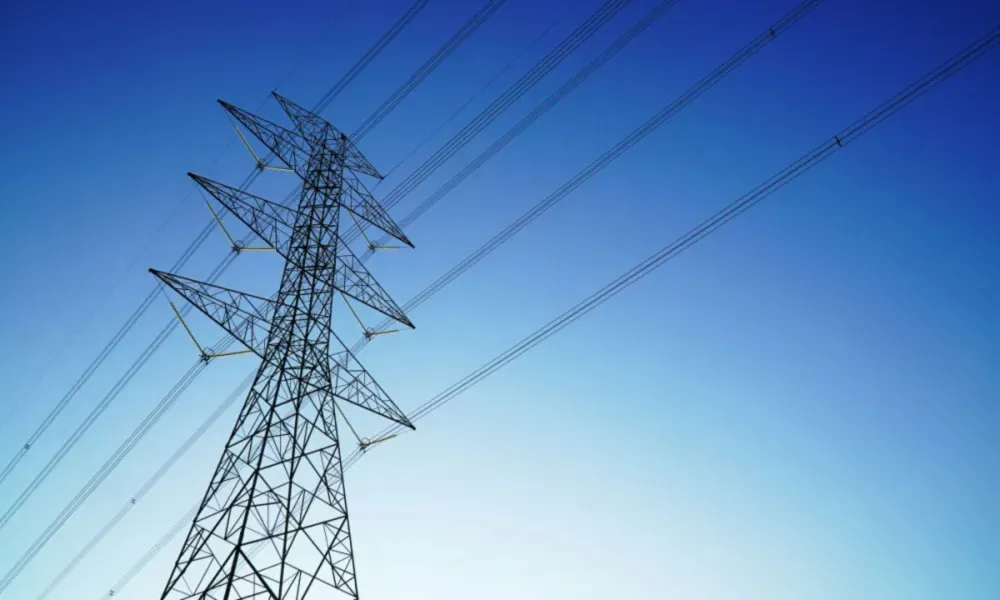
Controlled rolling power cuts affected large parts of Paphos district on Wednesday evening as authorities implemented islandwide measures to manage electricity demand amid extreme temperatures and generation outages.
According to Haris Zavallis, assistant director of the Transmission System Operator Cyprus' National Energy Control Centre, the outages were necessary because soaring temperatures drove electricity demand higher while unexpected faults simultaneously affected conventional generation units.
Communities and businesses affected
The outages impacted dozens of communities and urban areas across the district, causing disruption to residents and businesses.
Among the affected locations were Kathikas, the Arodes villages, Kritou Terra, Drouseia, Petridia, Empa, Ineia, Stroumbi, Yialia, Konia, Armou, Marathounta, Episkopi, Mesa Chorio, Chloraka, Geroskipou and parts of Kato Paphos.
In Paphos town, power cuts were reported in areas including Mouttalos, Ellados Avenue, Athinas Street, Thermopylon Street, Kings Gardens, Capital Hotel, Kings Avenue Mall, the Universal area, Government Offices, CYTA headquarters and the Paphos Municipal Hall.
Tourist areas, hotels and residential developments, including parts of Peyia, Sea Caves, Aphrodite Hills and Minthis Hills, were also affected.
Hope for improved conditions
EAC spokesperson Christina Papadopoulou said intensive efforts were under way to restore two faulty generating units at the Vasilikos and Dhekelia power stations.
She expressed optimism that both units could return to service on Thursday, reducing the likelihood of further electricity cuts.
Papadopoulou noted that electricity generation from photovoltaic systems drops significantly after sunset, reducing available supply during the evening peak.
Combined with faults at conventional generation units, this left the Transmission System Operator without sufficient reserve capacity, forcing the system to operate at critical levels and necessitating rolling outages.
The EAC said it remains hopeful that, once the faults are repaired, additional power cuts can be avoided.