
One week after a powerful 7.4-magnitude earthquake struck western Colombia, search teams are still combing through the rubble of collapsed buildings, though hope of finding further survivors has now almost disappeared. The confirmed death toll is approaching 300, with at least 140 people still unaccounted for.
Search operations continue as hope diminishes
Heavy machinery has taken over from the manual search that characterised the earthquake's first hours, when rescue teams listened for signs of life beneath the debris. The noise of excavators has replaced what was, in the immediate aftermath, an anxious silence.
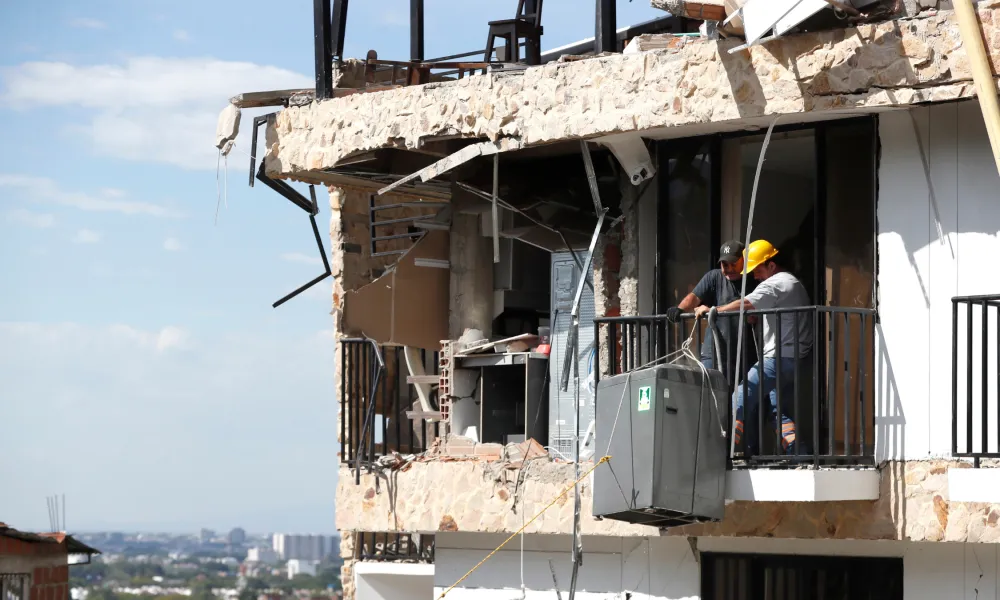
The earthquake struck on 10 August, hitting areas of Colombia near its Pacific coastline, destroying thousands of buildings and leaving close to 300 people dead, according to the latest official, still provisional, toll. At least 140 people continue to be listed as missing.
In Pereira, one of the cities worst affected, 30-year-old rescue worker Andrés Cano did not hide his exhaustion. The trainee nurse said the chances of finding anyone alive were now "close to zero." Speaking to AFP alongside a group of fellow volunteers in fluorescent vests and orange helmets, he said: "We are exhausted, mostly psychologically."
A first major test for the new government
The earthquake represented the first major crisis for the government of Colombia's newly inaugurated president, Abelardo de la Espriella, who took office only three days before the disaster struck.
On Saturday, the president asked his ally, US President Donald Trump, to temporarily suspend customs tariffs on Colombian exports to help the country recover from the disaster. Western Colombia, including the coffee-producing region, has been among the hardest-hit areas.
Scale of the damage
According to the country's emergency response agency, nearly 27,000 properties have been destroyed, either partially or completely. At reception centres set up for those affected, QR codes are being used to allow earthquake survivors to report missing relatives or damage to their homes.
In Cali, lawyer Jorge León, 41, stood beside a yellow truck loaded with his belongings and part of his household possessions. He admitted how "painful" it was to have to "start everything from scratch." "I feel like I'm living in a film, or a dream. I still haven't processed" what happened, he said.
Also in Cali, a rescue worker used red paint to mark a "V" on the wall of a five-storey apartment building that had collapsed, signalling that the search for survivors at that site had ended.
The 72-hour window has long passed
The likelihood of survival after a major earthquake is generally considered to fall sharply after 72 hours. Even so, many volunteer rescuers are refusing to give up. "We're told that many days have passed, but we keep looking for survivors. We want to keep hope alive," said Juan Carlos Tavares, 58, a professor and head of the "Valentía" ("Courage") volunteer rescue team, which includes numerous volunteers, speaking to AFP.
Cali's mayor, Alejandro Eder, estimated that rebuilding Colombia's third-largest city would require at least $3.2 billion. Governments including the United States and international bodies such as the World Bank have pledged tens of millions of dollars in assistance.
In the cities hit hardest by the earthquake, many buildings have been marked with red crosses, warning of the risk of collapse and barring access to passers-by.
Source: AFP