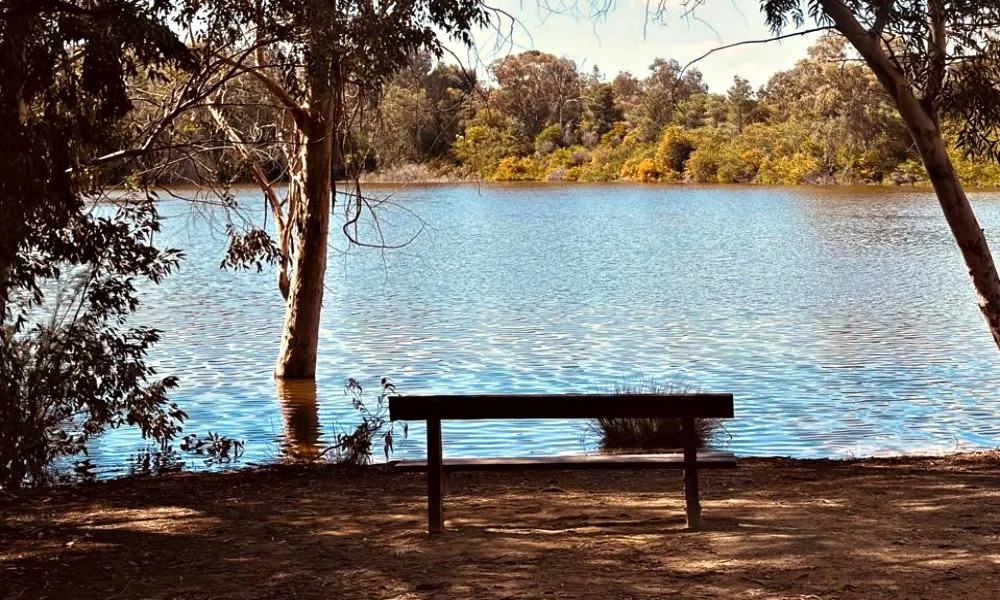

Authorities are unable to tackle the illegal release of domestic animals, such as the group of geese at the lake of Athalassa National Forest Park, which have been linked to H5N1 avian influenza. So far, the disease has been confirmed in one goose, a second is under investigation, and others are missing, strengthening the possibility that other birds may also be infected. Authorities say locating them is difficult.
The confirmation of a case of H5N1 avian influenza at Athalassa National Forest Park has brought to light the problem of the uncontrolled release of tame or farmed birds, such as ducks, geese and pigeons, into the lakes of public parks and other wetlands in Cyprus, even though this is expressly prohibited by law.
The two dead geese, both the one confirmed last Monday as a carrier of the virus and the other, which is being tested, were part of a group of 10 to 15 tame geese that had been illegally released into the park's lake by members of the public.
During wild bird migration periods, such as the current one, wild birds usually transmit the flu to domestic birds. This year in particular, according to scientists, there is a surge of avian influenza among wild birds at European level. In these conditions, the presence of domestic birds in parks puts humans at risk. These birds act as the "intermediate mechanism" between wild birds and humans, who come into close contact with them and, although it is illegal, try to feed them.