
The Cyprus Scientific and Technical Chamber (ETEK) has urged all district self-government organisations (EOAs) to adopt stricter assessment procedures for dangerous buildings and introduce additional safeguards for structures with architectural, historical or cultural value.
In a letter sent to the presidents of the EOAs of Nicosia, Limassol, Larnaca, Paphos and Famagusta, ETEK argues that while public safety must remain the top priority, the designation of a building as dangerous should not automatically lead to demolition.
Safety and heritage protection
ETEK acknowledges that authorities must act swiftly when public safety is at risk, particularly following recent incidents involving building collapses, some of which resulted in fatalities.
However, it stresses that decisions should be based on the most comprehensive technical assessment possible and should take into account a building's potential architectural, historical or cultural significance.
The chamber distinguishes between cases involving an immediate risk of collapse and those where risks can be managed through temporary stabilisation or reinforcement measures.
According to ETEK, all technically feasible alternatives should be examined before demolition is approved, especially where buildings hold architectural or historical value.
The organisation notes that the structures affected may include not only officially listed buildings but also others that have not yet been designated as protected despite potentially meeting the relevant criteria.
Concern over 20th-century architecture
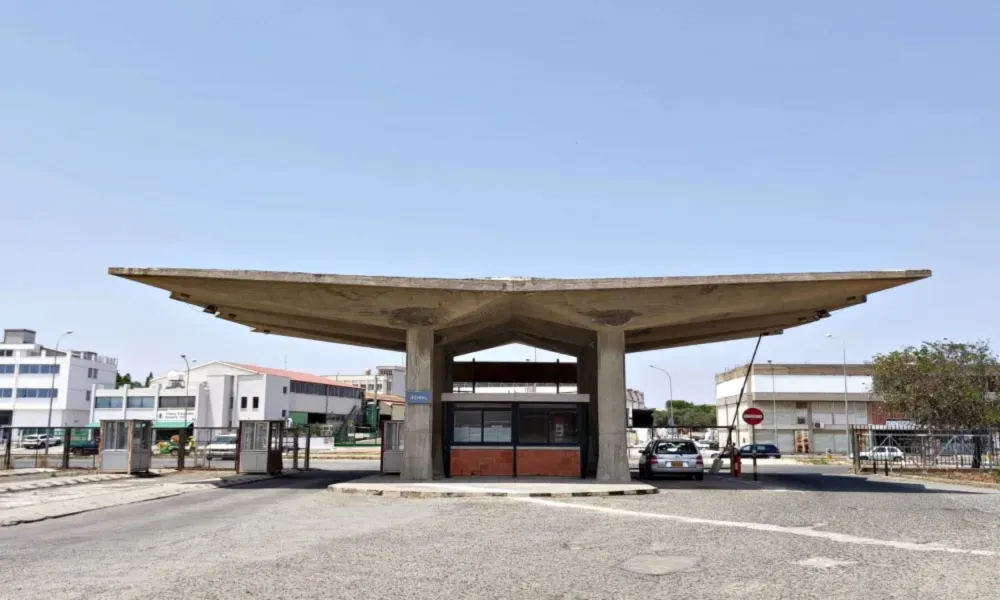
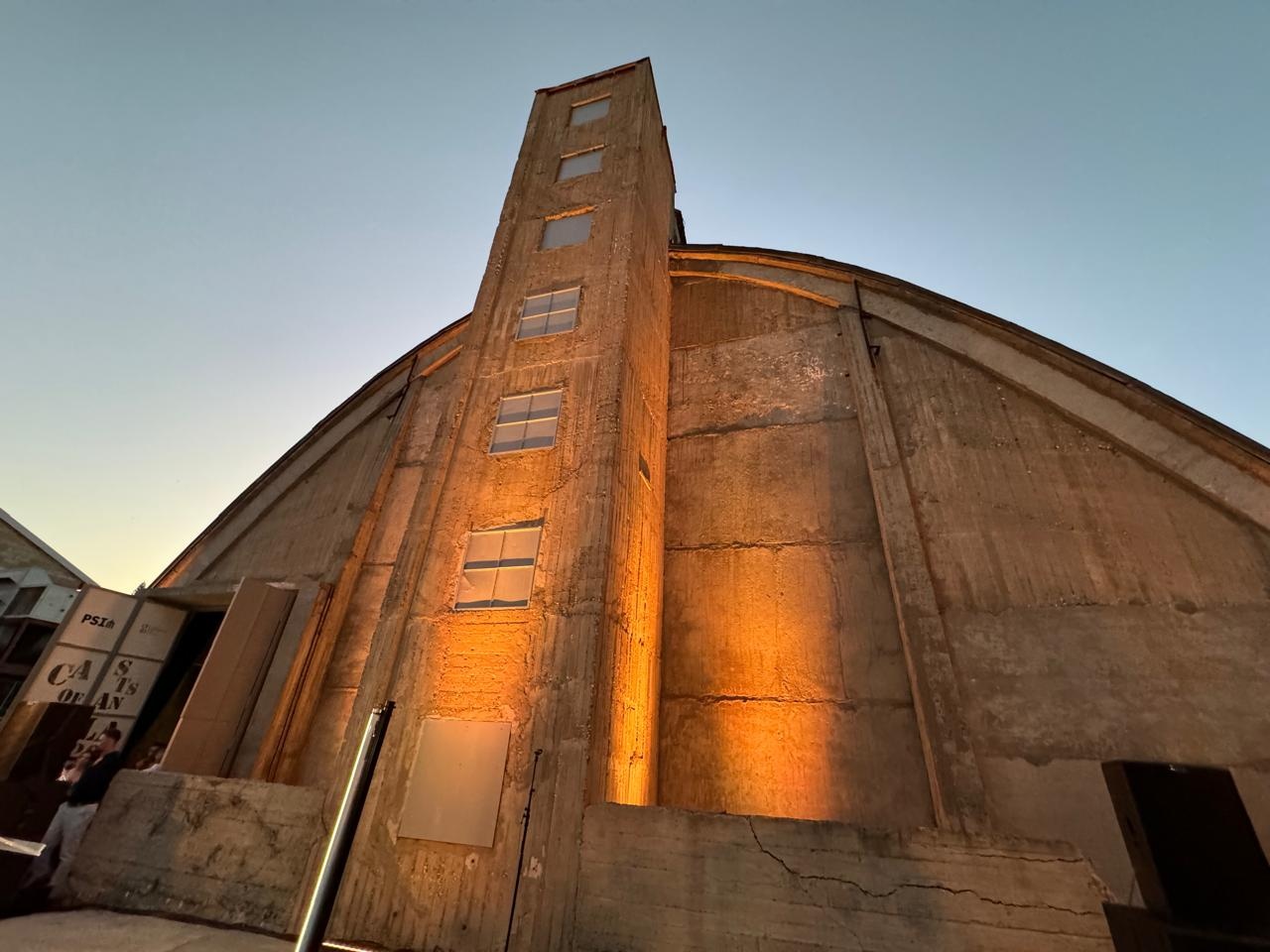
ETEK expressed particular concern about 20th-century reinforced concrete buildings, many of which now face deterioration, ageing and abandonment.
While these buildings form an important part of Cyprus' built environment and modern architectural history, many lack adequate legal protection because they have not been formally listed or are not located within protected areas.
The chamber argues that this legislative gap could lead to the irreversible loss of significant examples of Cyprus' modern architectural heritage without any assessment of their historical or architectural importance.
To address the issue, ETEK has established a Scientific Committee for the Protection of 20th-Century Reinforced Concrete Buildings, tasked with documenting notable structures and promoting measures for their preservation.
Recommendations to EOAs
ETEK's proposals include:
- Recording whether a building is listed or considered architecturally significant during the evaluation process.
- Using data from the Department of Town Planning and Housing, including its Cultural Heritage database.
- Introducing clear categories of risk to distinguish between imminent collapse and other hazards, such as falling façade materials.
- Informing property owners whether a building is protected and outlining the provisions of relevant legislation.
The chamber also recommends that, before any final demolition decision is taken for a listed or architecturally significant building where no immediate collapse risk exists, an assessment should be carried out by appropriately qualified engineers.
Interim measures before demolition
ETEK further proposes that authorities prioritise temporary safety measures where feasible, including:
- Structural supports and bracing
- Protective fencing
- Restrictions on access to buildings
The chamber also calls for reasonable time to be allowed for proper evaluation in cases where there is no immediate threat to life.
Where demolition ultimately proves unavoidable, ETEK recommends making photographic documentation of the building mandatory and submitting the material to the relevant EOA.
In the longer term, it suggests extending legal safeguards currently applying to listed and traditional buildings so that they also cover structures with documented architectural or historical value, even if they have not yet been formally designated as protected.
'Let engineers speak before the bulldozers'
ETEK stressed that its proposals are not intended to delay action on genuinely dangerous buildings.
Rather, it said decisions should be made with proper technical expertise, adequate documentation and full awareness of the consequences for both public safety and architectural heritage.
The chamber also said it is ready to work with EOAs and government departments on guidelines and the assessment of complex cases where safety concerns intersect with heritage protection.