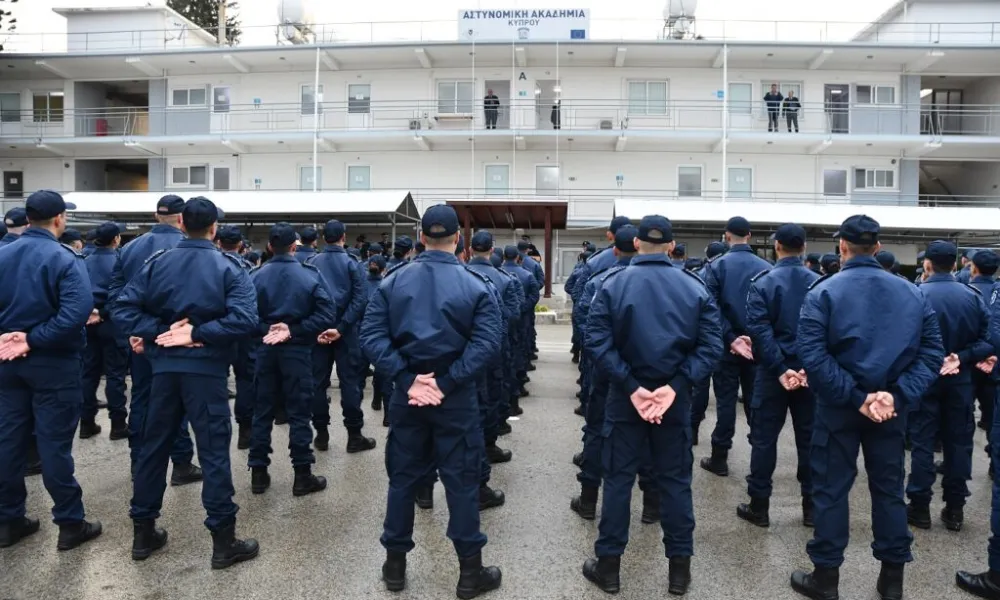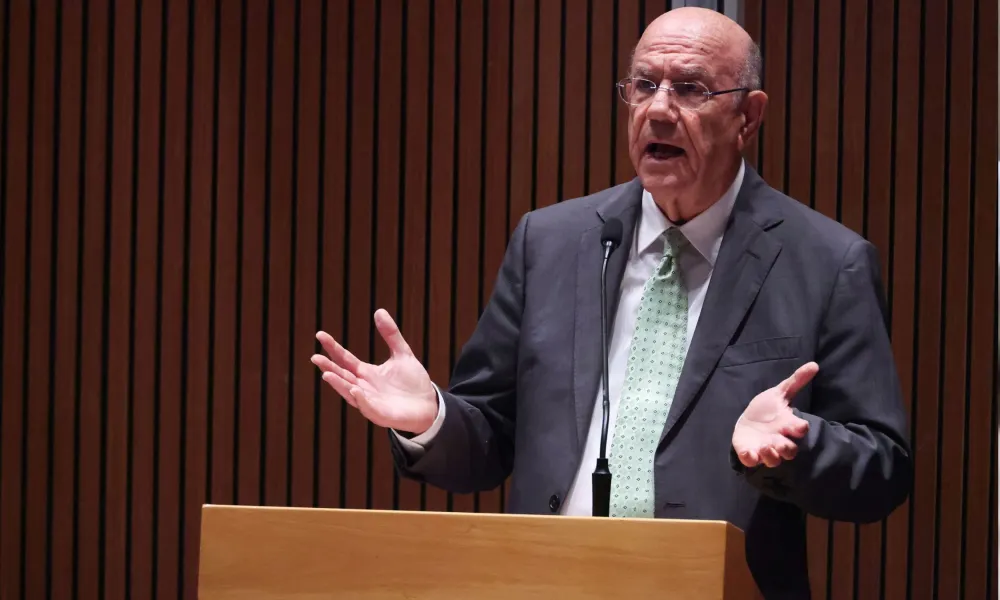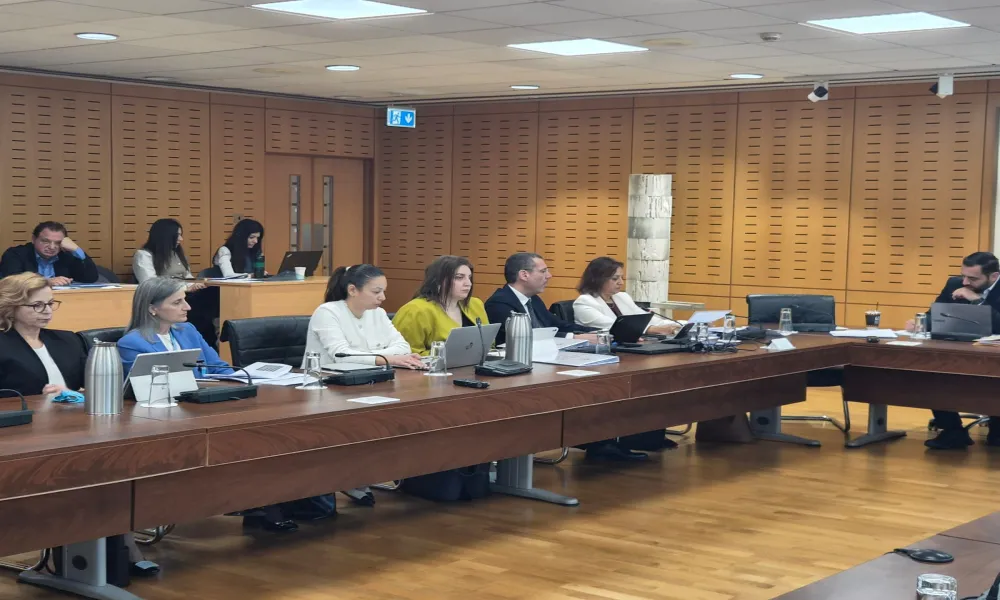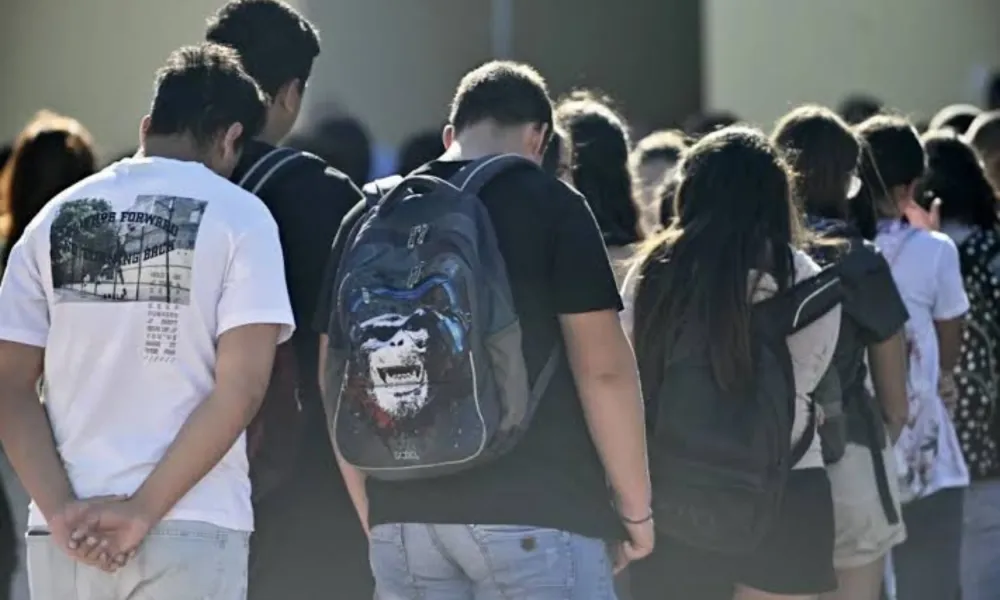

Students arriving in Kakopetria prepared for fights. Buses leaving earlier to avoid police checks. Adults meeting minors in the area, and accommodation booked without parents present. What the House Education Committee heard on Wednesday painted an even more worrying picture of unofficial school trips.
The problem, it emerged, is not limited to isolated incidents of delinquency. It extends to the way hundreds of minors are organised, accommodated and supervised.
Students arriving ready for confrontation
"They come primed, prepared to settle their differences," said Morphou Police Director Nathanael Dimitriou, describing the behaviour of certain groups of students. He made clear, however, that students from some schools visit the area without causing any problems.
According to Mr Dimitriou, the previous weekend students from two schools brought their rivalry to Kakopetria. The school management had informed the police in advance, and the police coordinated with the Limassol Police Division.
The way some students try to avoid checks is even more telling. Buses usually arrive at around 11am on Friday, but some leave earlier, knowing that police carry out checks for prohibited items.
Even once the checks are over, the problem does not end. As Mr Dimitriou explained, students obtaining alcohol afterwards cannot be ruled out. Adults also travel to the area, staying in other accommodation and meeting the students.
From Nicosia schools to an island-wide practice
The President of the Confederation of Parents' Associations of Secondary Education, Loizos Constantinou, described an activity that began at individual schools in Nicosia and has spread across the island.
He said bookings extend to the end of January, and in several cases parents do not even appear in the process. Rented houses are a particular concern, as 10 to 15 minors may gather in them.
Students raised concerns six years ago
The President of PSEM (Pancyprian Coordinating Committee of Secondary School Students), Despina Kyprianou, revealed that students submitted proposals to the Ministry of Education, Sport and Youth about six years ago. These highlighted both safety issues and the financial exploitation of students.
She explained that the trips are usually organised by the central student councils, with no uniform procedure. Some schools prepare parental consent forms, while others do not hand them out at all.
PSEM considers a ban unrealistic. It proposes that trips be organised through school committees, with students accompanied by teachers or representatives of parents' associations.
A law, but not school responsibility
In Parliament, there was broad agreement in favour of putting the trips on a formal footing. The Chairman of the House Education Committee, Chrysanthos Savvides, is pushing ahead with work on a law proposal.
However, a meeting held afterwards at the Ministry of Education revealed different approaches on who should be responsible for organising the trips.
Education Minister Athena Michaelidou made clear that there is no question of the trips coming under the responsibility of schools. She said the ministry will step up efforts to inform students and parents and will support Parliament's legislative initiatives.
This position did not satisfy PSEM. Ms Kyprianou insisted that schools must be involved and said she had reservations about the outcome of the meeting. She said she expects concrete measures, adding: "It seems that nobody wants to take responsibility."