
The tender process for equipment required under Cyprus' Pay-As-You-Throw (PAYT) waste management scheme has entered its second phase, prompting concerns from the local plastics industry over procurement specifications and certification requirements.
The scheme, developed by the Department of Environment, is being implemented through tender procedures prepared by the Republic's Treasury under a Dynamic Purchasing System (DPS).
The first phase, launched in April 2026, involved the pre-selection of economic operators based on eligibility criteria set out in the tender documents. That process has now been completed, with a pool of approved suppliers established.
Equipment tenders under way
The second phase consists of mini-competitions for the supply of equipment, including:
- Gravity locks for residual waste bins;
- 10-litre biodegradable bags for organic waste;
- Prepaid bags for residual waste in 10, 35 and 56-litre sizes;
- Organic waste bins ranging from 10 to 360 litres;
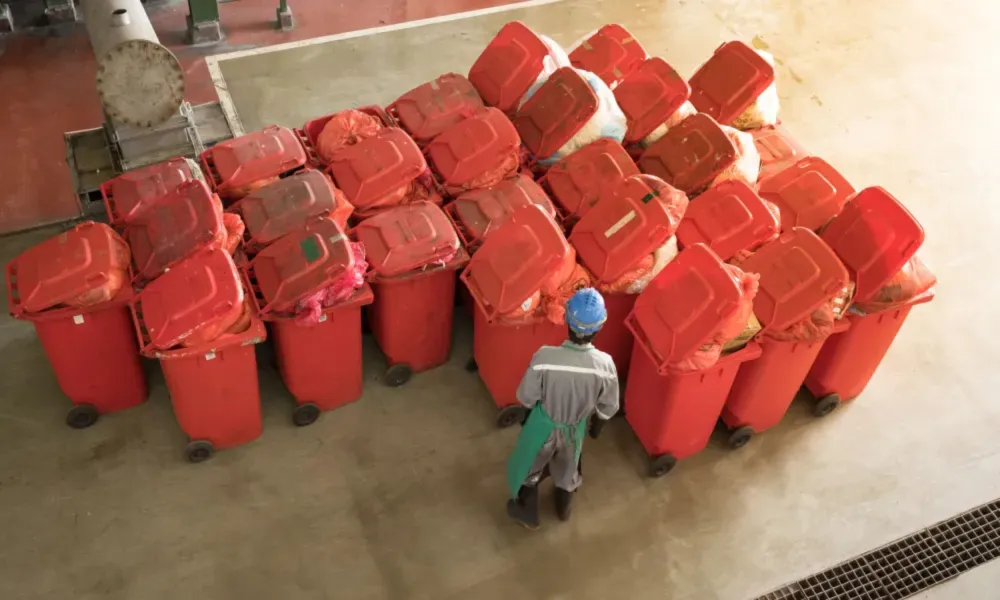
- Residual waste bins ranging from 50 to 1,100 litres;
- Domestic composters of approximately 310 litres.
Plastics industry calls for stricter standards
The Cypriot plastics industry has expressed concern that the specifications for bins and waste bags may not contain sufficiently robust standards.
In a letter sent to the Department of Environment and the Treasury in November 2025, a local manufacturer called for all participants to be assessed on an equal basis, arguing that European producers bear substantial compliance costs under EU regulations while competing products may not be subject to the same scrutiny.
The industry is seeking mandatory certification by independent accredited bodies under standards including:
- ISO 9001 (quality management);
- ISO 14001 (environmental management);
- ISO 45001 (occupational health and safety);
- ISO 37001 (anti-bribery management).
Manufacturers also argue that suppliers should hold EN 15343 certification for recycled raw materials, noting that similar requirements apply in comparable tenders across Europe.
Industry representatives warned that if products made from uncertified raw materials imported from third countries are allowed to compete under less stringent conditions, European manufacturers could face unfair competition despite complying with stricter environmental and quality standards.
They also called for a requirement that bins contain at least 50% certified recycled material sourced within the European Union.
Treasury rejects concerns over transparency
Andreas Antoniades, the Republic's Accountant-General, said procurement procedures are designed to ensure transparency, competition and value for money.
He said the Treasury follows a strategic procurement model based on aggregating purchasing needs across government bodies, conducting market consultations and incorporating environmental, social and innovation criteria where appropriate.
According to Antoniades, special attention has been given to facilitating participation by Cypriot small and medium-sized enterprises without imposing unjustified restrictions on competition.
Commenting on the industry's concerns, he noted that technical specifications for the second phase have not yet been formally issued and that tender documents already reflect feedback gathered during consultations with market participants.
Once invitations for bids are issued, all approved suppliers will have access to the full documentation and will be able to seek clarifications through official procurement procedures.
Environment Department defends process
The Department of Environment said all industry submissions were taken into consideration during the drafting process and stressed that procurement procedures are being conducted transparently and in accordance with public procurement legislation.
The department said its objective is to acquire equipment that will support the effective implementation of the PAYT system, reduce environmental impacts and promote the circular economy.
It added that tender specifications incorporate relevant ISO, EN and CYS standards, based on market needs and without restricting competition.
Chamber backs level playing field
The Cyprus Chamber of Commerce and Industry (CCCI) also intervened in the debate.
Deputy secretary-general Andreas Andreou said tender specifications should ensure both environmental objectives and equal treatment of all economic operators through objective, transparent and verifiable criteria.
He argued that products imported from third countries should be subject to requirements and controls equivalent to those applied to Cypriot and European manufacturers.
The chamber also supports the inclusion of criteria promoting certified recycled materials and circular economy principles, while recognising the added value provided by companies that voluntarily invest in internationally recognised certifications.