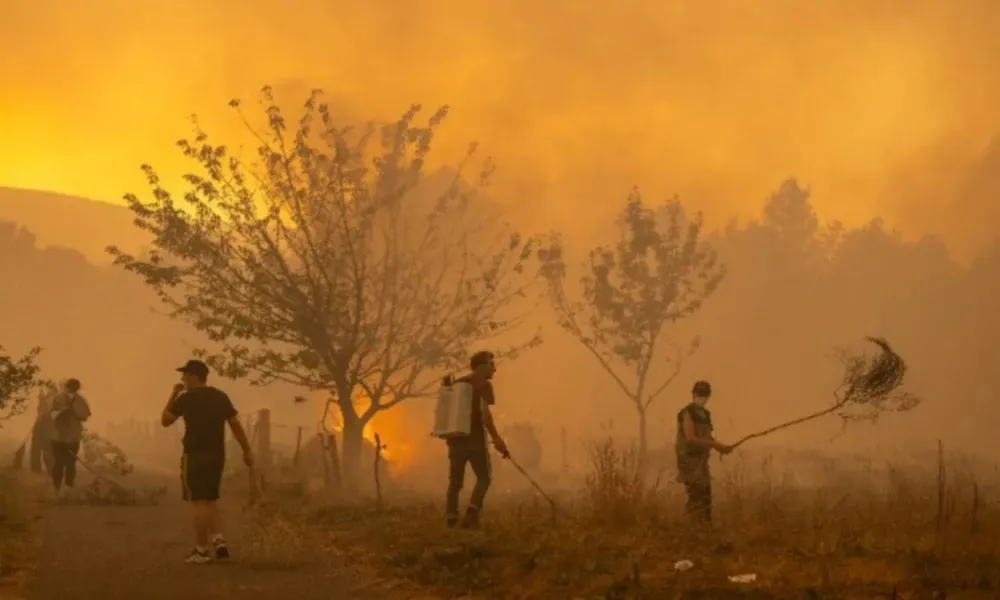

The devastating wildfires that tore through Spain and France this summer were not simply the result of bad luck or unusually dry weather. According to a new scientific analysis, climate change had dramatically increased the likelihood of the hot, dry and windy conditions that allowed the fires to spread.
Researchers from the World Weather Attribution (WWA) consortium found that the weather conditions fuelling the fires were at least 20 times more likely in Spain and twice as likely in France because of human-driven global warming. The findings added to a growing body of evidence linking Europe's increasingly destructive summers to greenhouse gas emissions from burning fossil fuels.
Weather whiplash
The study came just weeks after another WWA analysis concluded that the record-breaking heatwave at the end of June, which was estimated to have claimed around 20,000 lives across Europe, would have been virtually impossible without climate change. Separate research also found that rising temperatures had intensified drought by drying out soils across the continent.
Scientists said this combination of extreme heat, drought and strong winds created ideal conditions for wildfires. They also pointed to an increasingly common weather pattern in Europe: wetter winters and springs encouraged vegetation to flourish, before hotter, drier summers turned that growth into fuel. These rapid swings between wet and dry conditions, known as "weather whiplash", were becoming more frequent as the climate warmed.
Difficult to contain the flames
The fires left a devastating trail across western Europe. They killed people, destroyed thousands of homes and forced more than 300,000 residents to evacuate. Vast plumes of smoke also spread far beyond the fire zones, with air pollution reaching dangerous levels hundreds of kilometres away. Experts warned that wildfire smoke was itself a major public health threat, contributing to an estimated 1.5 million premature deaths globally each year.
Researchers stressed that climate change did not directly ignite the fires, but it made the conditions in which they burned far more dangerous. With another heatwave already forecast at the time of the study, they warned that Europe's fire seasons were becoming longer, more intense and increasingly difficult to contain.
The findings echoed calls from climate experts and the United Nations to accelerate the shift away from fossil fuels while investing in measures that help communities adapt to worsening extremes. Without faster action, they warned, devastating wildfires were likely to become an increasingly familiar feature of Europe's summers.
Source: The Guardian