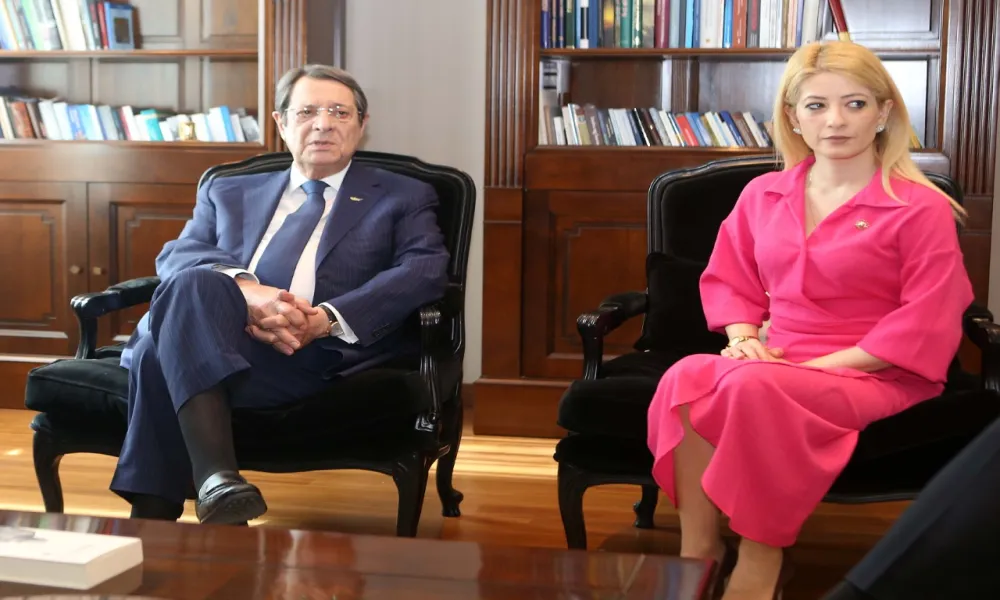
Former president and honorary leader of the Democratic Rally (DISY) Nicos Anastasiades has accused the party of adopting Turkey’s positions on the Cyprus problem, in a sharply worded letter to current party president Annita Demetriou.
The intervention, which is believed to have been prompted by the President, is seen as a serious political misstep. It comes just months ahead of the 2026 parliamentary elections, potentially giving political rivals an opportunity to draw support away from DISY.
Anastasiades was reportedly angered by remarks made during the Famagusta Municipality’s recent anti-occupation event. Host Andreas Kazamias, while acknowledging Turkish intransigence, also pointed to Greek Cypriot responsibility for the non-return of Famagusta. He spoke of “moments of hesitation and fear” and claimed that “even during negotiations, we were packing our bags to return”, a statement widely interpreted as a reference to Crans-Montana and Anastasiades’ handling of the talks at the time.

The comments drew a sharp response from President Nikos Christodoulides, who warned Famagusta mayor Dr. Simos Ioannou that he would not attend future municipal anti-occupation events. The mayor later issued a statement distancing the municipality from the remarks. DIKO and ELAM condemned Kazamias, while DISY opted not to issue an official reaction. Thier stance reflected, some say, the broader frustration and disappointment many Famagustans feel after 51 years of displacement.
Some voices within the party did weigh in. DISY spokesperson Onoufrios Koullas told CyBC that such personal opinions were ill-suited to the occasion and should have been avoided. However, he stressed the need to acknowledge the pain of Famagustans and to hear their perspectives, while maintaining that Turkish intransigence was the main obstacle. Even if, he added, the Greek Cypriot leadership had not always handled the matter flawlessly.
Presidential Palace role
Officials at the Presidential Palace privately criticised DISY’s lack of a formal statement, encouraging Anastasiades to take a stand, sources say. Their aim, the sources suggest, was twofold: to divert public attention from the government’s handling of recent wildfires and to secure political cover for President Christodoulides in the face of Kazamias’ criticism. Anastasiades was reportedly told that the government actively promotes the achievements of his presidency, unlike the current DISY leadership.
The letter
On 4 August, Anastasiades sent his letter to DISY president Annita Demetriou, expressing “great disappointment” over what he called the party’s “detachment” from the record of his decade in office.
“This detachment,” he wrote, “is not limited to rescuing a bankrupt state and the significant achievements that contributed to the revival of the Republic of Cyprus. It extends to the handling of the national issue, with the adoption of positions from hearsay witnesses who, for their own reasons, are always ready to embrace Turkey’s narratives, under the guise of the so-called national good.”
To “set the record straight,” he enclosed what he described as a documented article based on UN transcripts, outlining his account of why the Crans-Montana talks collapsed.
The letter’s leak did not come from Anastasiades but from the Presidential Palace, according to some, a move seen as politically motivated.
Legacy and timing
Only a month earlier, Anastasiades had urged DISY members not to place personal ambition above the party. At a July event in Limassol, he had called on members to return to the founding principles of the party, stressing that DISY “was not created to satisfy anyone’s ambitions, but to serve the prosperity of the country and create the conditions for a viable solution.”
That makes his latest intervention all the more striking, and as critics say, damaging. By sending a letter almost certain to leak, Anastasiades risked handing political ammunition to rivals, including ELAM, at a time when DISY’s unity is already under strain.
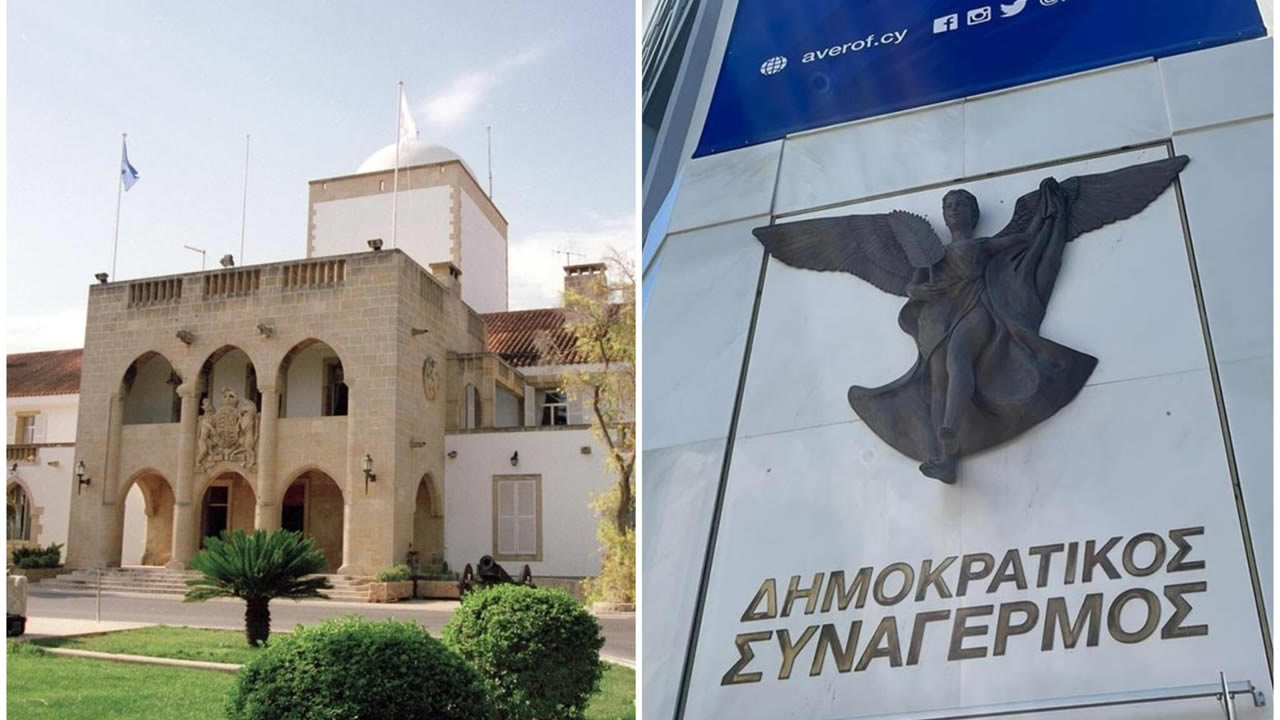
DISY’s silence
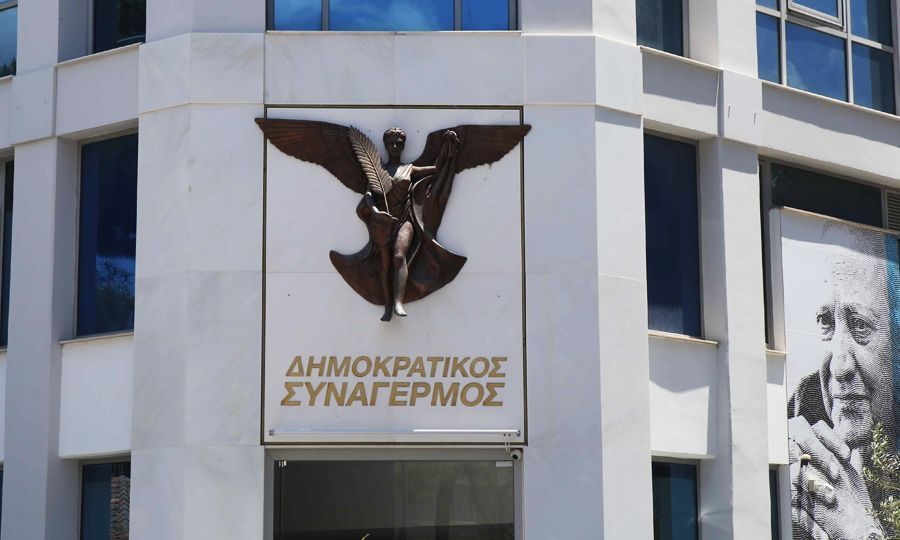
DISY declined to comment publicly on the letter, seeking both to protect its honorary president and to avoid giving the controversy further oxygen.
According to sources, there was a phone call between Demetriou and Anastasiades after the letter was sent, during which the matter was discussed. Party sources also dismissed media suggestions that Demetriou sought to hide the letter from the Political Bureau, noting that it was marked “Copied to the Political Bureau” at the bottom, implying it had already been shared.