
Ministerial pollution control bodies are still at an early stage. Such is the current reality.
To name a few examples, the illegal landfills control department at the Agriculture Ministry’s Environment Department was only established a few months ago, while the Maritime Anti-Pollution Coordination and Monitoring body is expected to start its operations during the first trimester of 2026, under the competent deputy ministry of shipping.
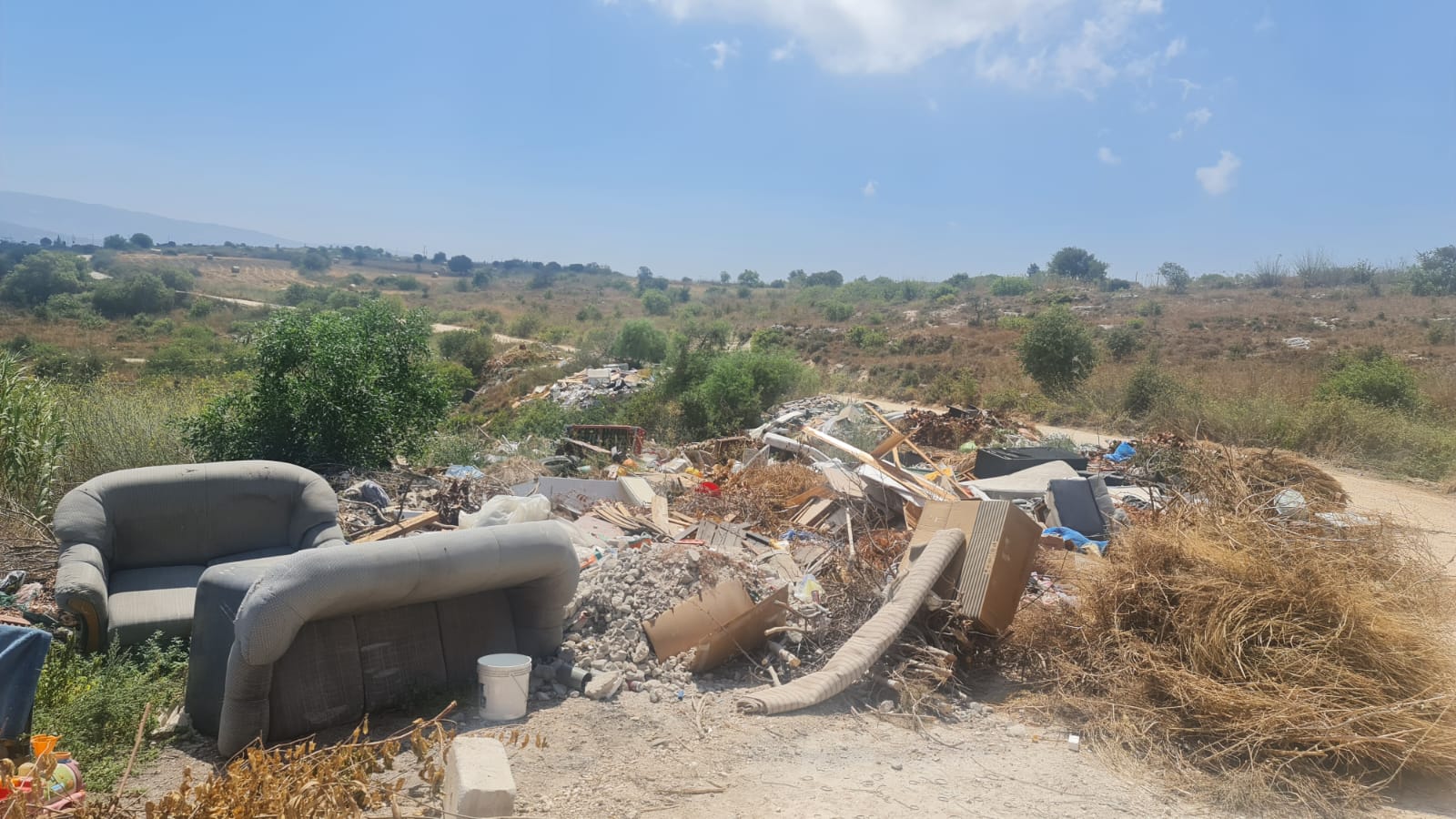
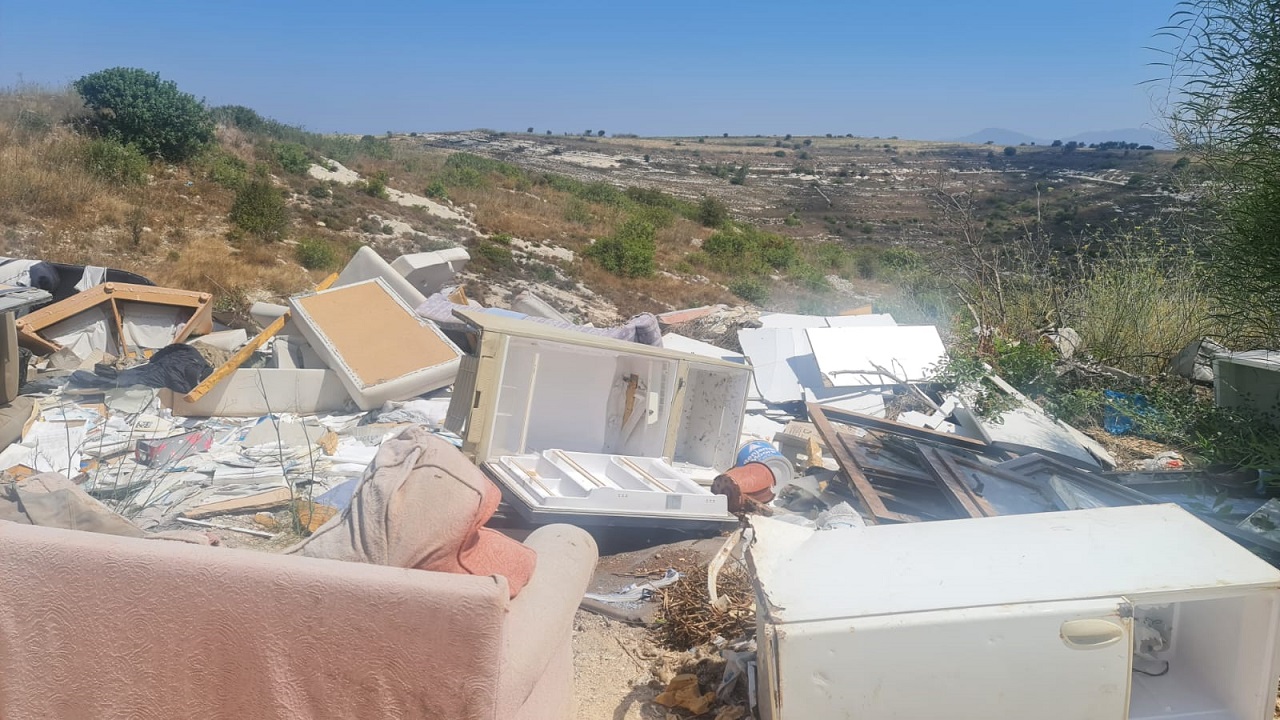
The timeframe of operations as regards the maritime pollution body is a clear reflection of zero progress in this particular field. Now in relation to land, the Environment Department has, to some degree, gained ground,’ but a number of serious shortcomings persist, forcing the Department to occasionally admit effectiveness inadequacies. Besides, the ‘Ηydra’ of illegal dumpsites is a rather obvious indication of weaknesses.
On the air pollution front however, current developments are to a great degree, highly satisfactory.
When it comes to all three pollution aspects, competent services are called upon to successfully face the odds of utilising smart technologies which will support them and raise efficiency, as they fulfill monitoring functions at speed, accurately and ensuring inspectors’ safety.
At maritime level again, during a parliamentary environment committee discussion on November 12th 2025, focusing on the long standing Limassol Bay pollution issues, the deputy ministry of shipping disclosed its planning on the role of the Maritime Anti-Pollution Coordination and Monitoring Body and said they needed time, specifically so, right through to 2027, in order to utilise smart technologies.
Their purpose, among other things, is to drone locate yachts which cause pollution, as well as monitoring 24-7. The delay in putting smart technologies to the task was justified as down to bureaucratic obstacles, such as Civil Aviation relevant drone approvals. The admission of these maritime anti-pollution shortcomings led Politis to take a close look at the utilisation degree of smart systems when it comes to the rest of the environmental control fields.
Drones in short-staffing conditions
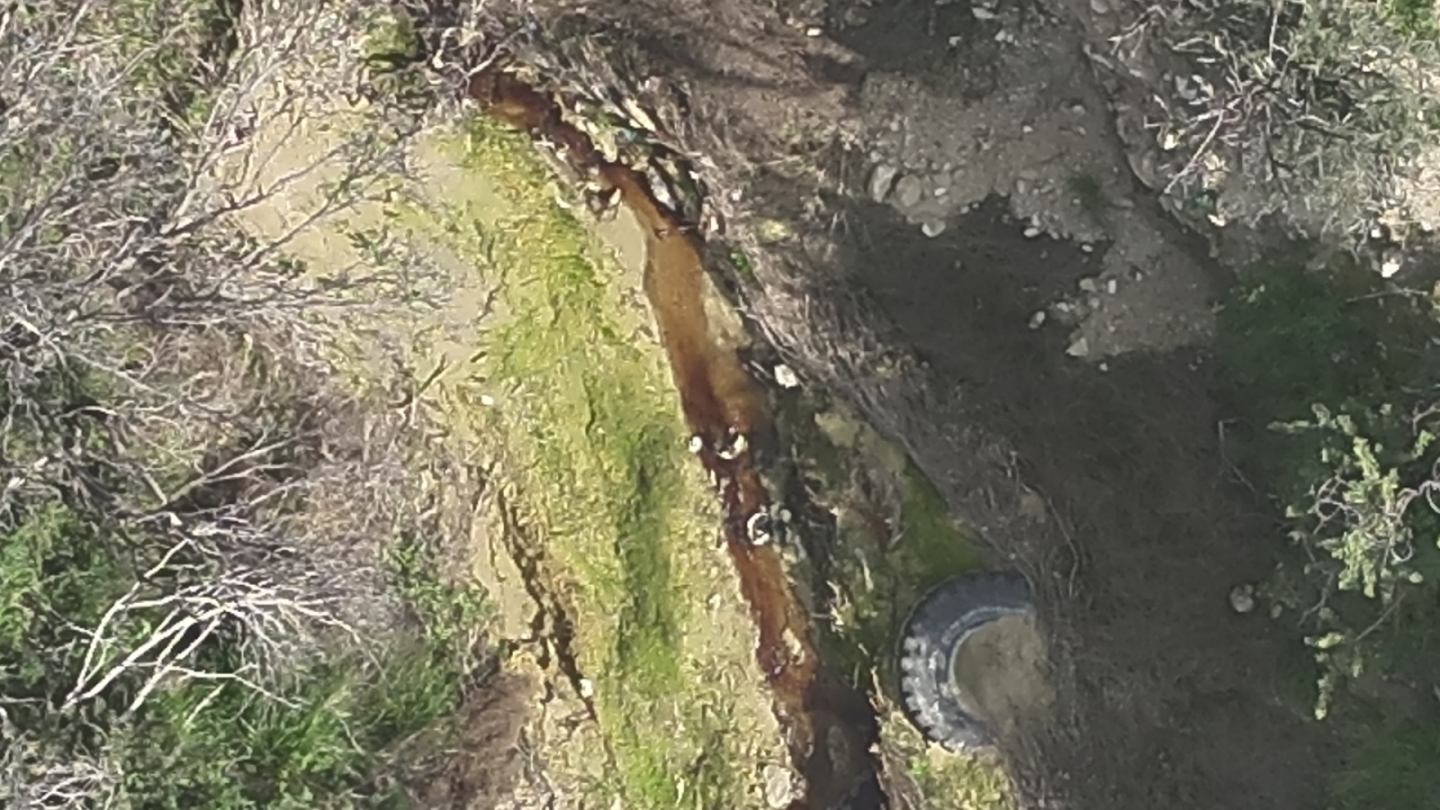
At land pollution level efforts, drones, GPS systems and satellite tools are the most important in the Environment Department’s arsenal and more to the point, the Control Division, set up in early 2025.
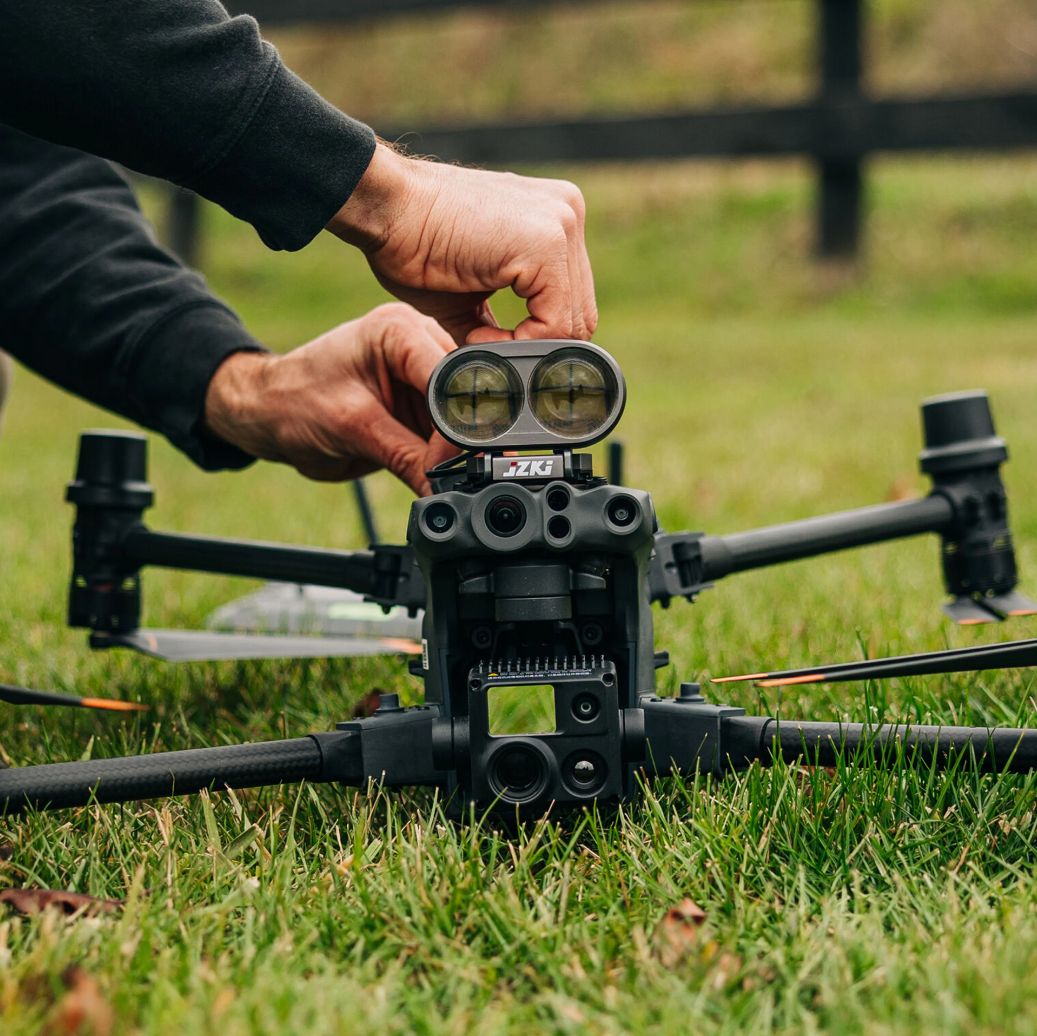
But this is where serious shortcomings become apparent as there are only 12 inspectors, simply not enough to deal with the massive range of controls, from illegal dumpsites, springing up like wildfire across Cyprus, right down to industrial areas, where frequent fires indicate inadequate safety conditions.
Meanwhile, the relevant divisions’ short staffing does not allow for 24-7 controls, with a European Commission report on restructuring pollution controls and environmental licensing, now dating a few years back, referring to the need for at least 45 inspectors.
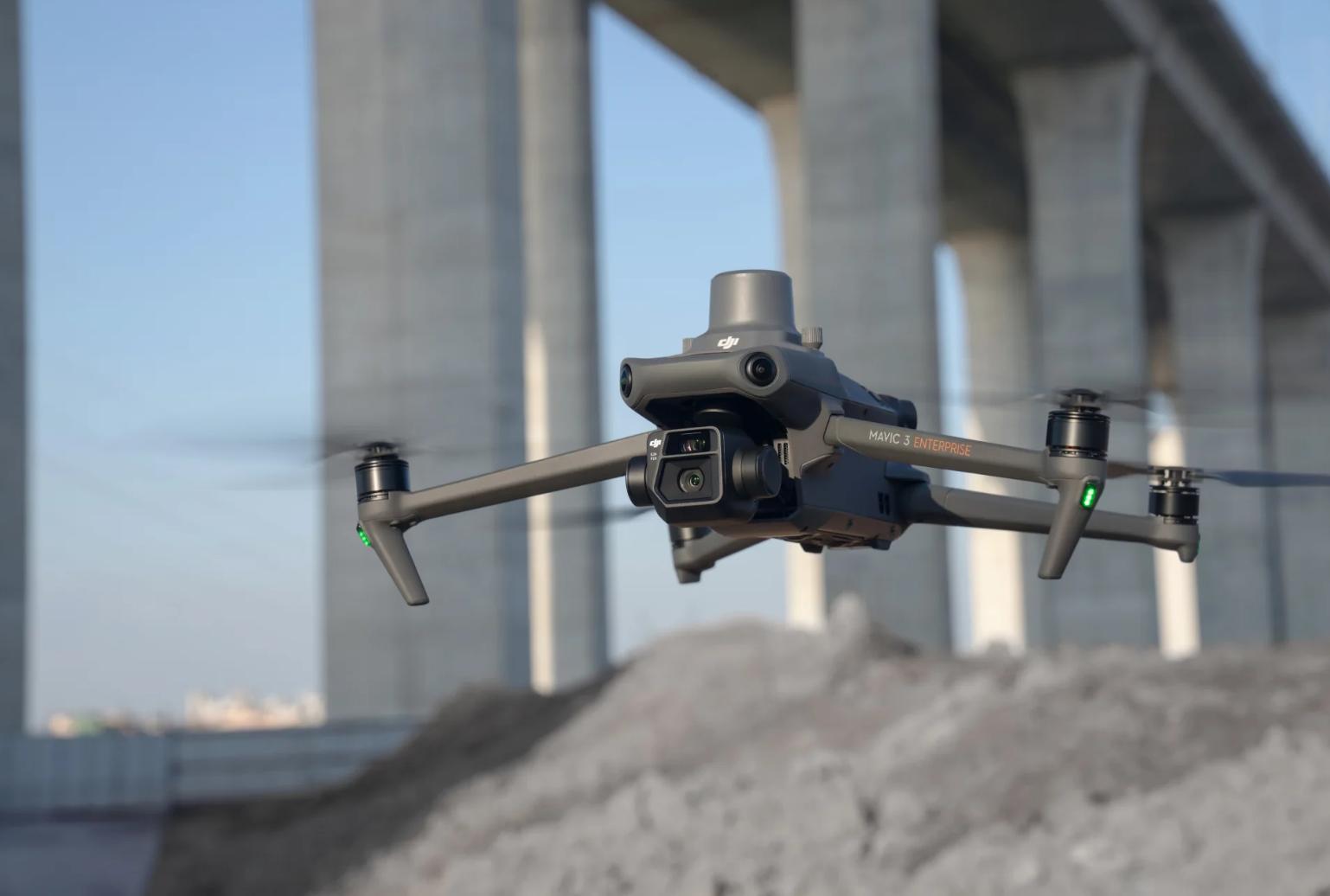
Notwithstanding these realities, it seems that technology, particularly drones, does make life easier for this small team of inspectors, raising effectiveness. Work that would take hours, even days, is now undertaken effectively by drones, namely ‘DJI Mavic 3T enterprise’ and ‘Matrice 30T,’ lightening the workload for inspectors, who were responsible for a number of additional tasks over the past two years.
‘You can now record local pollution data in a much easier and quicker manner, including images, mapping the area and getting a clear understanding of the actual pollution situation very fast, Dimitris Dimitriou, head of the Environment Department Control Division told Politis.
‘It’s a very important tool, particularly in monitoring on-going pollution situations in rough terrain that is hard to approach or sometimes needs to monitor from a distance for safety reasons’, he added.
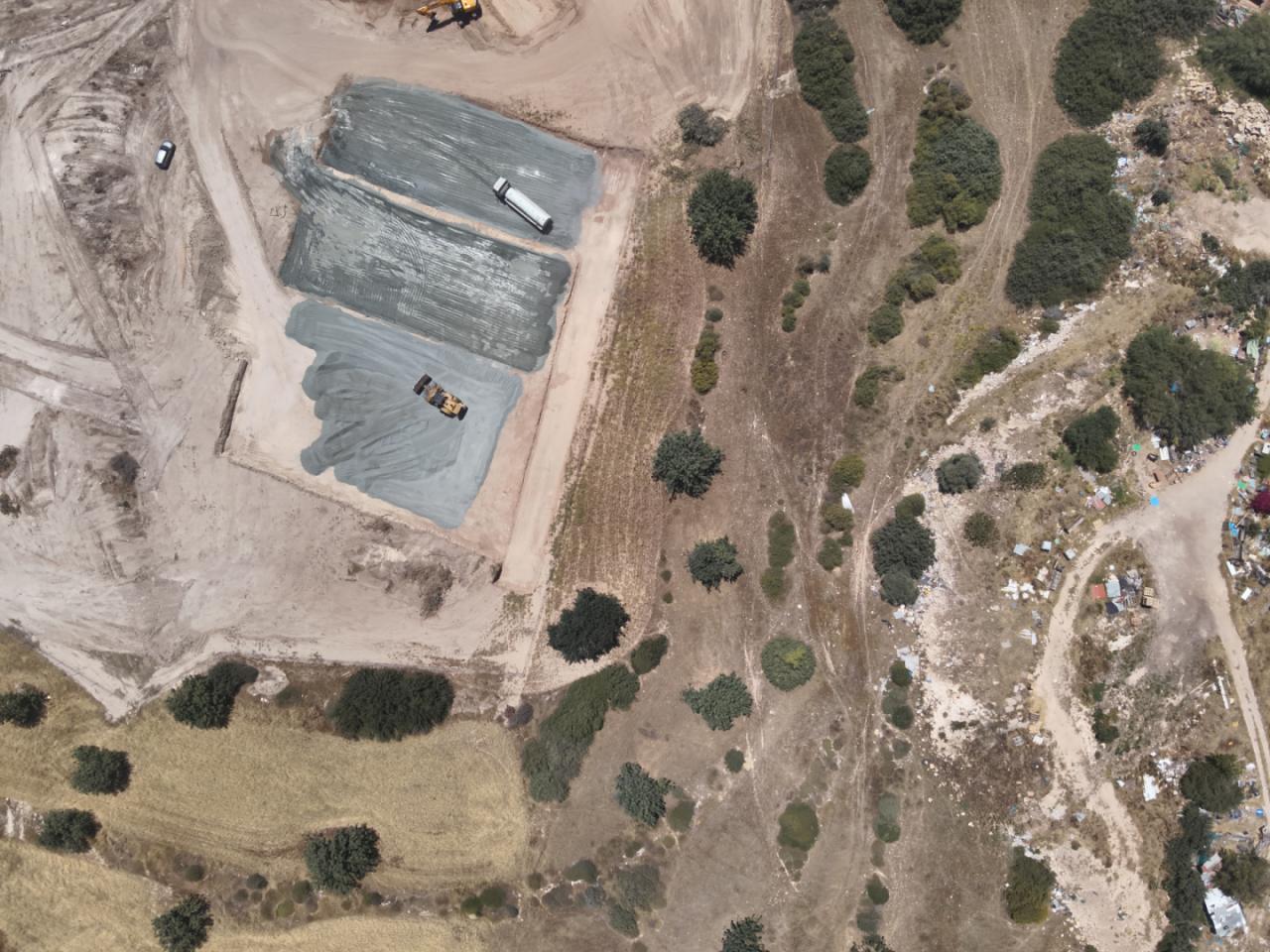
Besides, drone tools help inspectors decide whether an illegal situation has not changed as technology records previous conditions in a database, following the mapping of the area.
‘You can also run a volumetric analysis at illegal dumpsites and after instructing the local authority to clean up and restore the area, you can revisit and confirm whether the relevant requirements were implemented.’ According to Dimitriou, following the establishment of the Control Division, all inspectors are trained in using the drones, one smart device for every two inspectors in each district.
GPS locating vehicles
A second field of smart technology implementation for pollution control purposes are the GPS trackers on vehicles transporting waste, catching the where and when of illegal dumping. When such a case is established, the Control Division contacts the GPS provider, requesting the dumping period during which GPS vehicles, listed by the Environment Department, where in a specific area.
This system is still problematic as not all vehicles transporting waste across Cyprus, are listed by the department, with the competent authority recognising this weakness. According to Dimitriou, over the past few months, the Environment Department has made an effort to coordinate with the Road Transport equivalent under the Transport and Communications Ministry, in order for all such vehicles to have a GPS system installed, with this action being made obligatory for the issuing of a registration certificate, like it is for MOT.
The two departments, however, have so far failed to reach a compromise that would solve an issue which continues to feed into the unmonitored dumping, particularly excavations, construction and demolition debris. This was clearly indicated at a parliamentary environmental committee meeting on September 3rd, with Environment Department Director Theodoulos Mesimeris admitting shortcomings in implementing relevant legislation due to unchecked dumping and the short staffed control division, not able to monitor the situation 24-7.
Satellite Eye
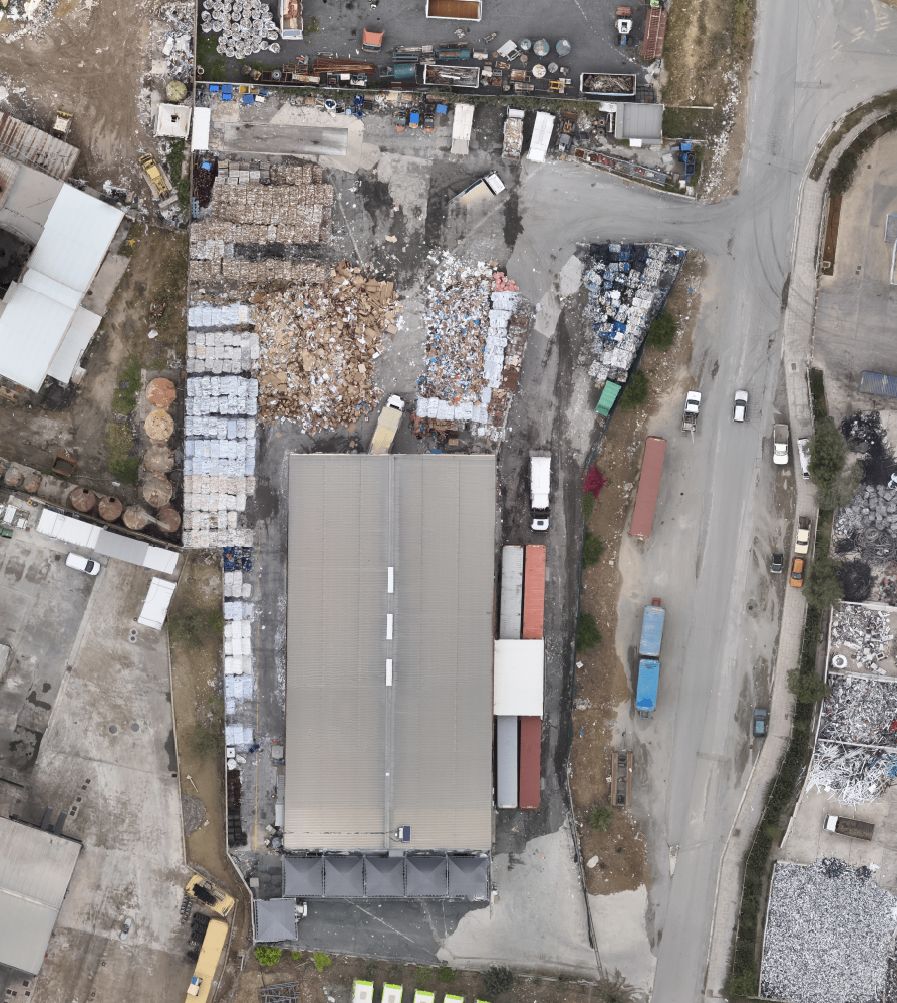
A third tool being utilised by the Environment Department to monitor pollution, are high resolution satellite images, secured through cooperation with organisations that have access.
‘At any moment in time, you can preventively locate areas where illegal dumping might be close to running out of control, so you can step in and deal with the situation, before it grows out of regulation. You can list the area on the database and continue to monitor through the satellite,’ Dimitriou said.
Tools and statistical packages against atmospheric pollution
Things are looking much better here, in comparison to maritime and land pollution control. The Labour Inspection Department, responsible for air quality control, is utilising the measurement stations programme, set up in Paphos, Limassol, Vasilikos, Ayia Marina Ksyliatou, Nicosia, Larnaca, Ormideia and Paralimni, with modern tools providing real time pollution concentration on its website. It maintains close cooperation with research centres, such as the Cyprus institute, for the purpose of personnel training and raising effectiveness by implementing new technologies.
There are also smart technology statistical packages, allow for the geographical location of pollutrion emissions, as atmospheric pollution specialist and Institute of Cyprus researcher Michalis Pikridas, told Politis. He recently trained Labour Inspection Department personnel on this specific technology. As he explained, air pollutants are located by measurements in certain areas, not necessarily where the actual pollution is taking place, but using the approach that a specific type of pollution leaves a certain chemical footprint. Following measurements with analysis tools, statistical packages are used to locate the pollution emission source.
New Pollutants
Updated EU guidelines refer to new pollutants on which there were previously no established limits and Cyprus was therefore not obliged to monitor. The Institute of Cyprus has provided a solution, measuring these new pollutants with modern tools and coordinatint with the Labour Inspection Department, so authorities can comply with the relevant European legislation.
According to Dr.Pikridas, the pollutant monitoring tools work 24-7 , requiring maintenance and operation checks once a week. The Environment Department Control Division also conducts emission checks on industrial installations falling within the emissions licence category.
'There is constant monitoring of chimneys through meters, both scheduled and spot checks, either conducted by accredited companies, based on specific requirements or the Environmental Department', Dimitrou concluded.