Foot-and-mouth disease, a serious illness affecting only cloven-hoofed animals, has returned to the spotlight following cases recorded in Cyprus' non-government controlled areas, raising concern on both sides of the divide. Veterinary Services assure that there is no risk to humans, but they emphasize the real danger of airborne transmission and the need for strict biosecurity measures, intensive inspections along the Green Line, and heightened vigilance in the livestock sector.
Measures in the north
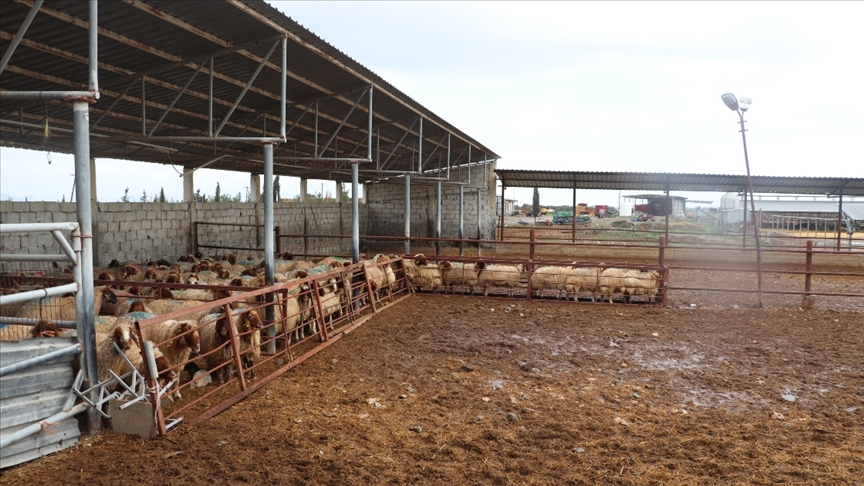
The disease cases caused panic in the occupied areas, particularly in the village of Laphatos, Famagusta. According to Turkish Cypriot media, after the suspected death of animals, tests revealed symptoms of foot-and-mouth disease in 70 large animals at a livestock farm. The farm where the suspected cases were found has been quarantined, and vaccines are expected from Turkey.
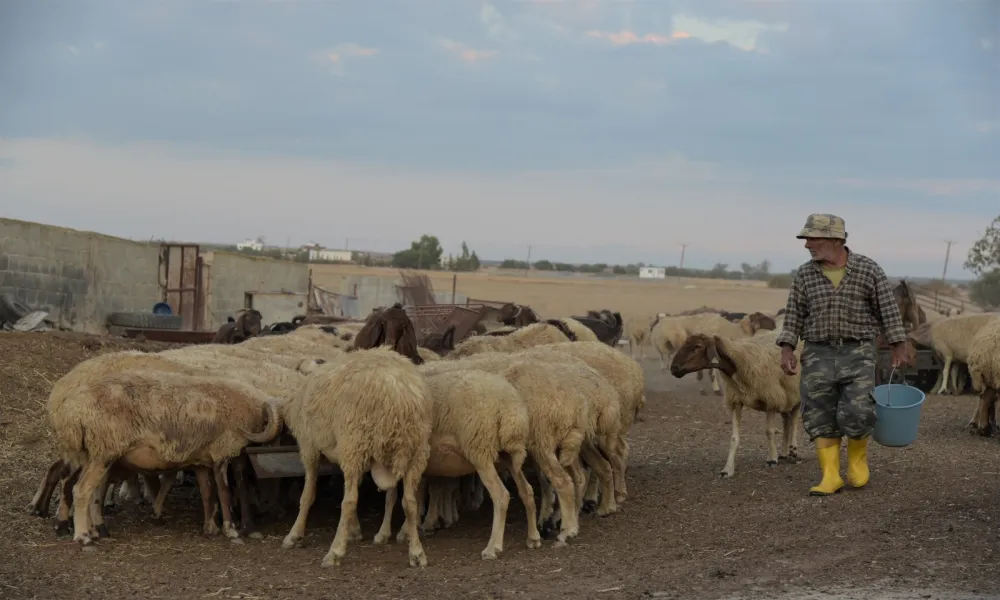
Foot-and-mouth disease affects only cloven-hoofed animals, such as cattle, pigs, sheep, and goats, said Christodoulos Pipis, director of the Veterinary Services, in light of the cases recorded in the occupied areas.
He explained that the disease is mainly airborne. “The virus spreads from animal to animal through the air, but it can also be transmitted via clothing, footwear, or equipment of professional farmers and traders who come into contact with animals,” he said.
Pipis clarified that foot-and-mouth disease does not affect humans. “It is a specialised virus affecting only certain animal species and is not transmitted to humans, not even through meat consumption,” he stressed.
Real threats
Regarding the risk of transmission to free areas, the Veterinary Services director noted that “the movement of animals or animal products across the Green Line is not permitted, so there is no risk of transmission through trade.” However, he emphasised that “airborne transmission is always a factor that cannot be ignored.”
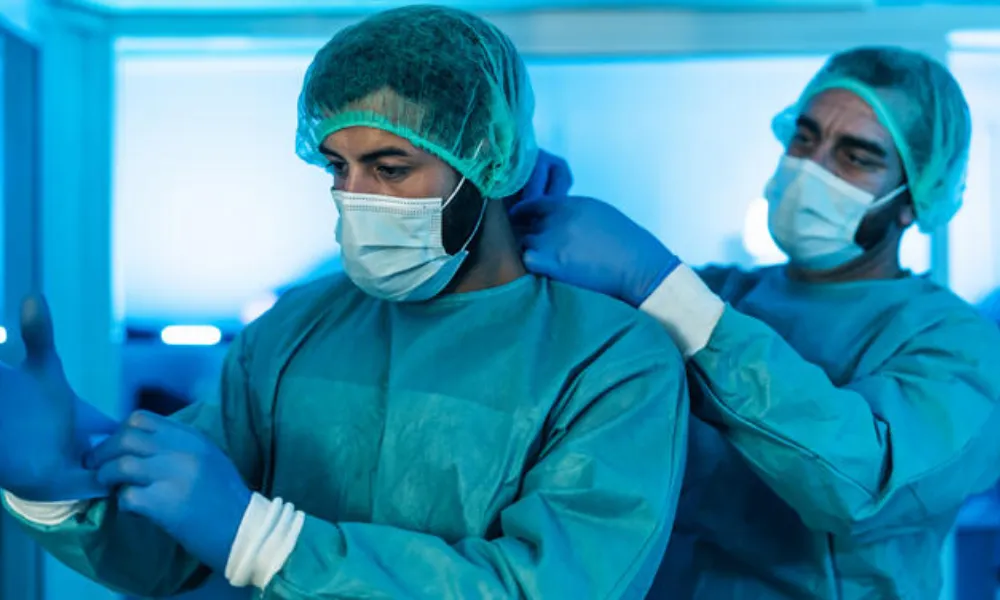
Referring to preventive measures, Christodoulos Pipis urged farmers to be especially careful. “The use of protective clothing and boots, regular handwashing, disinfection, even of vehicles used on farms, are essential measures to reduce risk,” he said, adding that strict adherence to biosecurity rules is crucial to prevent the spread of the disease. He also warned against sourcing animal feed from facilities with unknown hygiene standards.

Furthermore, according to a related announcement by Veterinary Services, farmers are required to implement measures such as using appropriate disinfection at farm entrances and exits, regular cleaning and disinfection of the farm, removal of waste, manure, and stagnant water around the farm, avoiding procurement of vehicles, tools, feed, or equipment from other farms, daily animal checks, and immediate notification of Veterinary Services if disease is suspected or milk production drops.
Mr Pipis explained that the disease affects the mucous membranes, nose, and limbs of animals. “After some time, the animals are unable to walk or feed, resulting in death,” he said.
Economic impact
He stressed that foot-and-mouth disease is a particularly serious disease as it can cause a significant economic blow to the livestock sector. “If a country is affected, third countries may impose trade restrictions, which directly affects exports,” he noted.
The Veterinary Services director also clarified that there is no risk for halloumi cheese. “The production process, due to boiling, prevents the disease from surviving in the product,” he concluded.
When asked whether there is a treatment for the disease, Christodoulos Pipis responded negatively, noting that no therapeutic intervention exists. According to EU legislation, infected animals must be culled to prevent the spread of the disease to other animals.
He added that farmers and agricultural organisations have already been informed by Veterinary Services to take all necessary preventive measures. At the same time, both UNFICYP and the Police have been asked to intensify inspections along the Green Line to limit the potential spread of the disease.
Speaking to Kıbrıs Postası, former director of the Veterinary Services Department Nazim Akcaba stressed that the greatest risk in spreading foot-and-mouth disease comes from vehicle tires.
Akcaba noted that ports do not have even a simple tank system for disinfecting vehicles on entry and stated:
“In our area, quarantine practices are based on laws 200 years old, yet not even the most basic measures are taken. Turkey is in the highest risk category for foot-and-mouth disease. Despite this, there is no vehicle disinfection system at the ports. Foot-and-mouth disease is not only carried by vehicles transporting feed bales; it can be transmitted via the tires of any vehicle. These are the most critical sources.”
Akcaba argued that there is a lack of continuity and consistency in dealing with animal diseases in the occupied areas and that the measures taken are usually temporary.
“When a disease such as bluetongue emerges, a vaccination programme begins and is then abandoned. There is no stability. We are always waiting for disaster,” he said, noting that the same pattern is observed with foot-and-mouth disease.