
The EU Environment Council will meet on 17 March in Brussels, with discussions expected to focus on the European Union’s climate targets, revisions to CO₂ emission standards for cars and trucks, and the bloc’s international environmental action.
According to a senior EU diplomat, strengthening the green transition has become more important than ever at a time when citizens and communities across Europe are increasingly facing the impacts of climate change and growing environmental challenges.
Review of vehicle emission standards
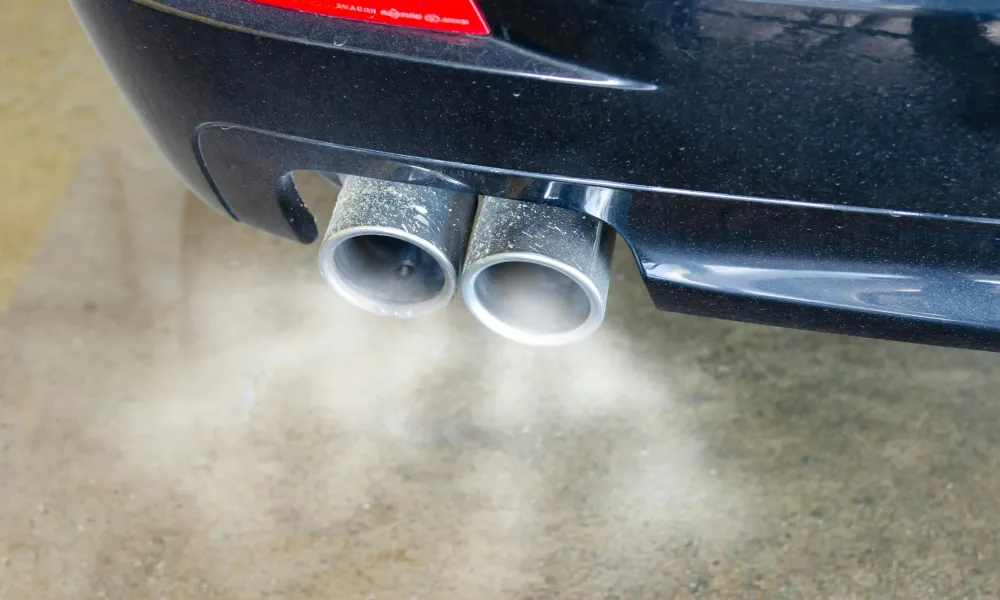
Ministers are expected to begin their discussions by examining proposed amendments to the regulation governing CO₂ emission standards for cars and trucks.
The proposal includes reducing the 2035 emissions target to 90%, while also introducing greater technological flexibility through the use of sustainable fuels and low-carbon steel produced within the European Union.
According to the diplomat, the proposal aims to maintain the EU’s path toward clean mobility while ensuring the competitiveness and innovation of the European automotive industry.
Discussions are expected to focus on the 2035 target, technological flexibility for manufacturers and incentives to strengthen production within Europe. The proposal is considered a key priority for the Cypriot Presidency of the EU.
The diplomat noted that the proposal is seen as crucial for the future direction of Europe’s automotive sector and for establishing a stable and predictable regulatory framework. The Council debate is expected to help the Presidency map the positions of member states and guide negotiations toward a balanced compromise.
Post-2030 climate policy debate
The Council agenda also includes an exchange of views on decarbonisation efforts beyond 2030, ahead of the development of the EU’s legislative framework for achieving its 2040 climate target.
Ministers are expected to examine issues such as the revision of the EU Emissions Trading System (EU ETS), national climate targets and the potential use of international carbon credits after 2030.
The discussion will also address how both the economic and social dimensions of the green transition can be supported while continuing to reduce emissions.
The views expressed during the meeting are expected to provide political guidance to the European Commission, which is currently preparing its proposals for the post-2030 climate framework to be presented later this year.
International climate action and COP preparations
Ministers will also discuss the next steps in the EU’s international climate action, focusing on preparations for the United Nations Climate Conference (COP31).
The discussion will draw on lessons from COP30 in Brazil and will focus on defining the EU’s priorities and strengthening cooperation with third countries.
According to the diplomat, the exchange of views will contribute to shaping a multi-year strategy for EU negotiations in future COP conferences, with follow-up work to be carried out by the Working Party on International Environment Issues (Climate).
Ministers are also expected to examine ways to strengthen the EU’s strategic cooperation in international environmental diplomacy, including enhancing partnerships, integrating scientific expertise into negotiations and making better use of the EU’s regulatory influence.
Bioeconomy strategy conclusions
The Council is also expected to approve conclusions on the EU Bioeconomy Strategy, which aims to promote the sustainable and competitive use of renewable biological resources.
The strategy, presented by the European Commission last November, seeks to support innovation, green job creation and economic growth in bio-based sectors.
According to the diplomat, the Council conclusions provide political guidance linking investment and competitiveness with environmental sustainability and energy autonomy, while strengthening the EU’s role in bio-based industries globally.