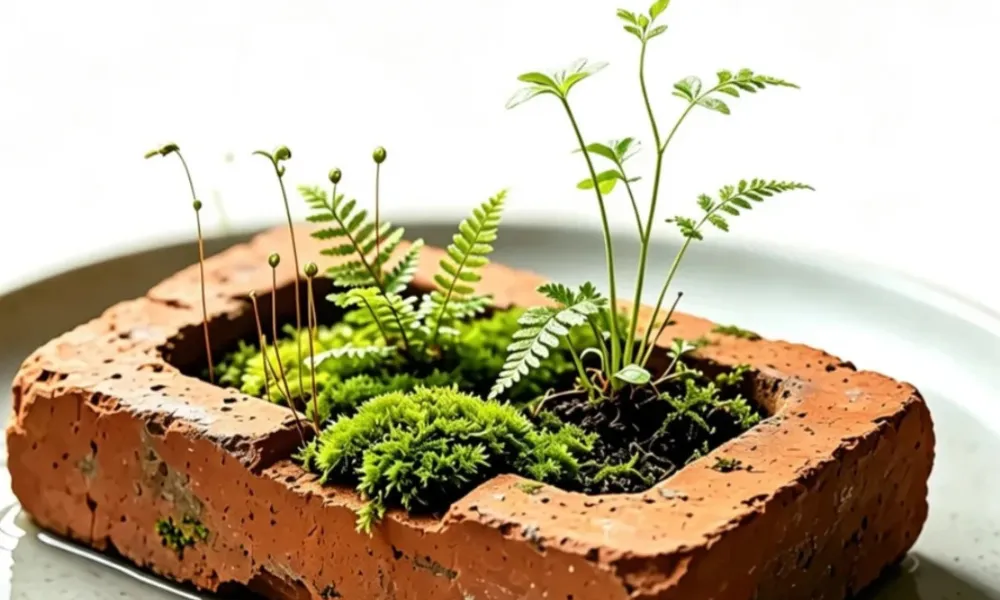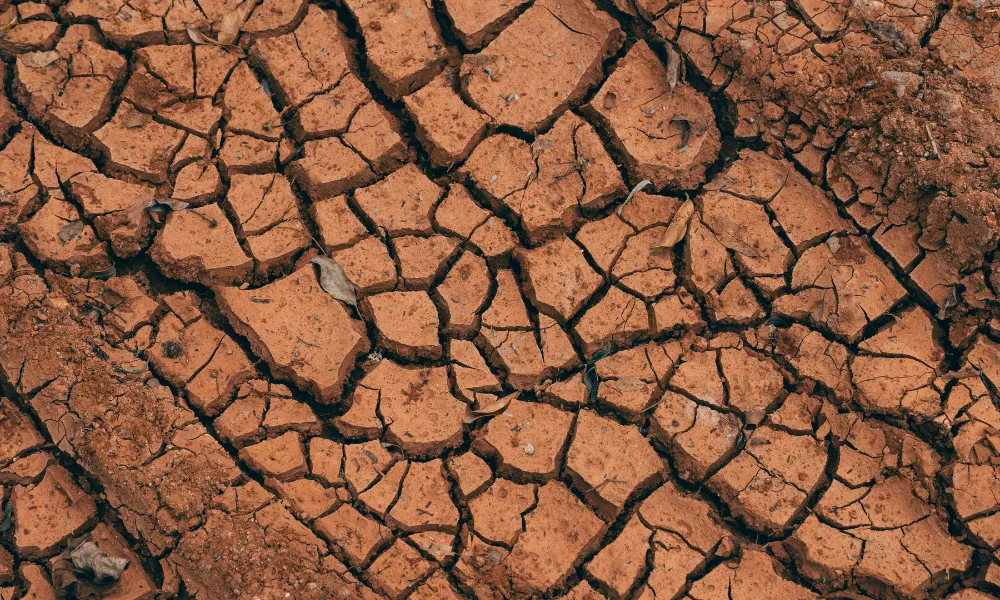

Soil is far more than the ground beneath our feet. Scientists now estimate that nearly 59 percent of life on Earth exists within soil ecosystems, making it one of the most biodiverse habitats on the planet. From microscopic organisms to insects, worms and small mammals, the soil supports a complex web of life that underpins food production, water cycles and climate stability.
A new study by International Union for Conservation of Nature warns that despite its importance, soil biodiversity remains largely overlooked and increasingly threatened.
A living ecosystem
Soil functions as a dynamic, living system rather than an inert surface. It hosts a vast diversity of organisms that perform essential ecological roles.
Microorganisms and soil fauna break down organic matter, recycle nutrients and maintain soil structure. These processes sustain plant growth and agricultural productivity while also regulating water retention and carbon storage.
In addition, healthy soils help mitigate climate risks by storing carbon and improving the resilience of ecosystems against droughts and extreme weather events.
Alarming decline across Europe
Despite its crucial role, the study highlights a worrying trend. More than 60 percent of soils in the European Union are estimated to be in unhealthy condition.
This degradation is driven by several pressures, including land-use intensification, pollution, erosion and soil compaction caused by heavy machinery and unsustainable agricultural practices.
Scientists warn that declining soil health threatens not only biodiversity but also food security and climate resilience.
Global research effort
The findings are part of the SOILGUARD project, a major research initiative funded by the European Commission.
Over the past four years, an international consortium of 25 organisations has investigated the benefits of soil biodiversity across agricultural and forest ecosystems.
Researchers analysed soil organisms from more than 200 sampling sites across 11 countries and four continents. Field-based climate simulations were also conducted to compare different land management practices and assess their impact on soil organisms and their biological activity.
Climate and geography shape soil life
The results reveal that soil biodiversity is not uniform. It varies significantly depending on climate conditions, soil type and local environmental characteristics.
Lower biodiversity levels were observed in agricultural soils located in hotter and drier regions. However, the study also found that soil organisms can help mitigate some of the negative effects of moderate short-term droughts.
This resilience highlights the crucial role soil biodiversity plays in maintaining ecosystem balance under changing climatic conditions.
Improving soil health is possible
The research also delivers a hopeful message. Soil biodiversity and soil health can be improved through appropriate management practices.
Both conventional and ecological farming systems can enhance soil life by adopting sustainable techniques such as reducing chemical inputs, diversifying crops, protecting organic matter and minimising soil disturbance.
A new policy focus in Europe
The European Union has begun to place greater emphasis on soil protection. The Soil Monitoring and Resilience Directive, adopted in October 2025, aims to establish a legal framework for protecting soils and tracking their condition.
The regulation requires member states to regularly assess soil health, maintain records of contaminated land and implement restoration measures where necessary.
The SOILGUARD project also provides several recommendations to ensure consistent monitoring and to support conservation policies grounded in scientific evidence.
As scientists increasingly emphasise, protecting the hidden life beneath our feet may be one of the most important steps in safeguarding the planet’s ecosystems, food systems and climate stability.