
Interest has intensified in recent days around the “Rosicrucian Brotherhood”, which is referenced in the allegations made by journalist and researcher Makarios Drousiotis.
Speaking on Politis radio (107.6 and 97.6) and the programme “Defteri Matia”, theologian Theodoros Kyriakou explained the history of the brotherhood, its relationship with Freemasonry and what may be taking place behind its closed doors.
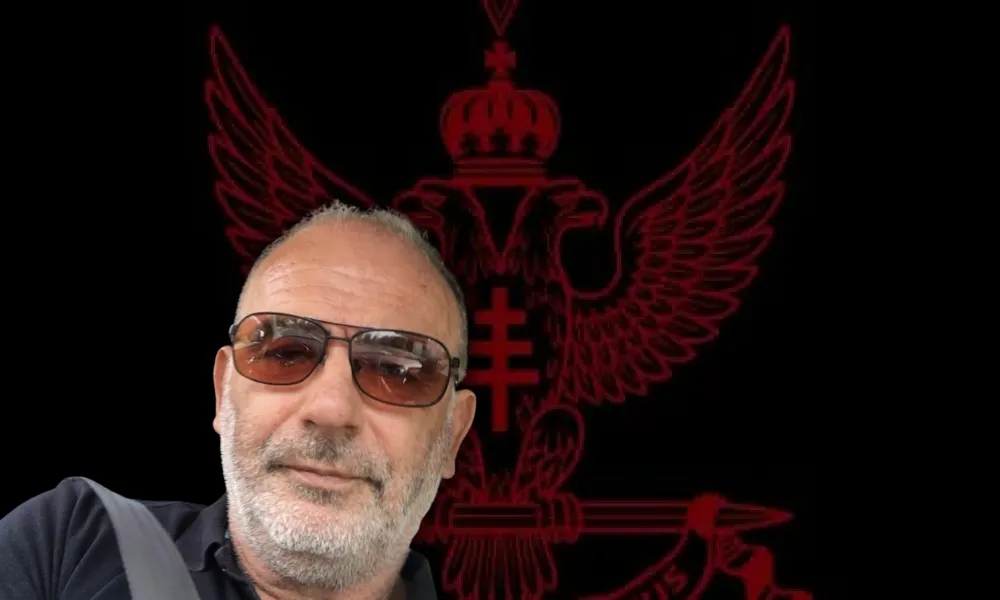
Kyriakou described the Rosicrucians as a “brotherhood” that appeared in Europe in the 12th century, noting that their presence and influence are historically linked to other organised structures, such as Freemasonry. He added that the 18th degree of Freemasonry is called “Rosicrucian”, something that suggests ideological or symbolic continuity. Specifically, he explained that the 18th degree is titled “Prince Rose Croix, Knight of the Eagle and the Pelican”.
Esotericism and spiritual pursuit
According to Kyriakou, the Rosicrucians do not constitute a single, clearly defined organisation. Instead, they represent a broader current focused on inner spiritual development, the pursuit of wisdom and a strong esoteric tradition.
He added that their ideas and practices appear to have influenced later movements, including Freemasonry and Martinism. Modern expressions of the movement also exist, such as the “Golden Rosicrucians”, which have an international presence.
Secrecy and limited transparency
A key theme highlighted in the discussion was the secrecy surrounding such brotherhoods. Kyriakou stressed that it is difficult to investigate how they operate, including their internal principles and structures.
He also referred to the use of symbolic language and distinct forms of communication among members, which further reinforce the aura of mystery around their activities.
Allegations and public debate
The discussion also touched on recent public claims in which the Rosicrucians were mentioned by Makarios Drousiotis. Kyriakou said that if such allegations prove to be accurate, they could imply a form of internal solidarity that might extend to covering up illegal acts.
He clarified, however, that Rosicrucians themselves reject such interpretations, maintaining that their purpose is limited to spiritual development rather than unlawful activity. He did not rule out the possibility that the term is sometimes used loosely or for sensational effect.
Freemasonry and influence
Freemasonry was also discussed, with Kyriakou noting that it has adopted concepts such as initiation and hierarchical progression from Rosicrucian traditions. While he said it is no longer at its historical peak, Freemasonry still maintains a strong legacy and has included influential figures among its members.
Between myth and reality
Responding to questions about alleged control over governments or financial systems, Kyriakou said that strong elements of mysticism often fuel speculation and conspiracy theories, making firm conclusions difficult.
As he put it, “you cannot form a clear and reliable picture”, given that the roots of such movements lie deep in the past and are shaped by secrecy.