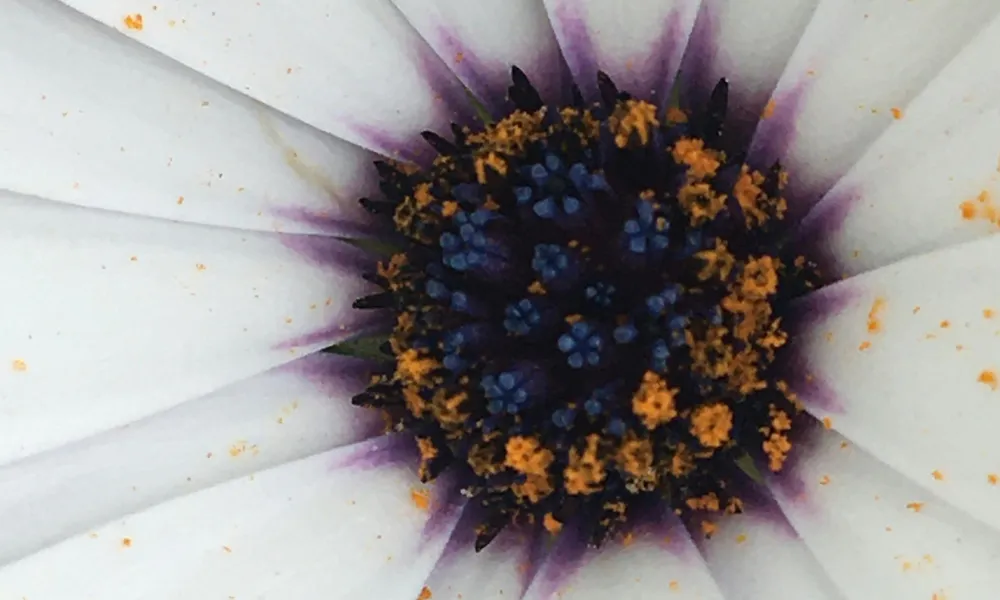
Across Europe, the arrival of spring increasingly signals the start of a longer and more intense pollen season. Rising temperatures and environmental changes are extending the period during which plants release pollen, exposing millions of people to allergy symptoms for longer each year.
How pollen triggers allergic reactions
Pollen allergies occur when airborne pollen particles come into contact with the respiratory system or the eyes. The immune system reacts by releasing histamine, which can cause inflammation and symptoms such as sneezing, a runny nose, watery eyes and irritation.
The pollen season typically begins in early spring when trees such as hazel and alder start releasing pollen. As the season progresses, species including birch, ash and oak follow, while grasses usually dominate pollen production during the summer months.
The timing and intensity of pollen seasons vary from year to year and depend largely on weather patterns and plant cycles.
Astha Tiwari, a scientist in the mycology and aerobiology unit at the Belgian public health institute Sciensano, explained that trees follow natural production cycles, alternating between stronger and weaker pollen years because producing pollen requires significant energy.
Evidence of longer pollen seasons
Pollen allergy is estimated to affect around 40 percent of the European population, making it one of the most common allergic conditions in the region.
Higher rates are typically observed in urban environments, where air pollution and lifestyle factors can increase sensitivity to allergens.
According to researchers, pollen seasons have become longer, start earlier and show higher intensity compared with previous decades.
“We do see, if we look at the results from the last decade, that pollen seasons are becoming longer, they are starting a bit earlier, and the pollen intensity is increasing,” Tiwari said.
Scientists suggest that climate change is contributing to this trend. Warmer temperatures allow plants to bloom earlier, while increased concentrations of atmospheric carbon dioxide stimulate plant growth and increase pollen production.
A long-term study examining pollen monitoring stations in Belgium, the Netherlands and Luxembourg over periods ranging from 30 to 44 years found an overall increase in pollen levels and earlier seasonal peaks for most tree species.
Researchers also warn that prolonged exposure increases the likelihood of people becoming sensitised to allergens. A study by the University of East Anglia estimates that the number of Europeans suffering from ragweed pollen allergies could rise from around 33 million to 77 million by 2050.
Measures to reduce pollen exposure
Although pollen cannot be avoided entirely, experts recommend several practical measures to reduce exposure during peak periods.
Keeping windows closed during the daytime can help prevent pollen from entering indoor spaces. Ventilating homes early in the morning or later in the evening is considered more effective, as pollen concentrations tend to be lower.
Showering and changing clothes after returning home can remove pollen particles, while drying clothes indoors prevents pollen from settling on fabrics.
When outdoors, wearing sunglasses can reduce the risk of pollen entering the eyes. For contact lens users, disposable lenses or glasses may be preferable, as allergens can adhere to reusable lenses.
Coastal areas may also offer some relief for allergy sufferers, as sea breezes and reduced vegetation can lead to lower pollen concentrations in the air.
Source: Euronews Health