
BP reported that its profits more than doubled in the first quarter of the year, driven by a sharp rise in oil prices following the outbreak of the Iran–US/Israel conflict. The surge in energy market volatility significantly boosted the company’s trading operations.
The British energy group announced profits of 3.2 billion dollars for the period January to March, compared with 1.38 billion dollars during the same period last year. The results exceeded analysts’ expectations and were largely attributed to an exceptionally strong performance in the company’s oil trading division.
Oil price volatility boosts trading activity
Global energy markets have experienced intense fluctuations since the start of the conflict, particularly as the Strait of Hormuz remains effectively closed. The narrow waterway is a crucial route for roughly 20 percent of the world’s seaborne oil and liquefied natural gas shipments.
Before the crisis, Brent crude, the international benchmark for oil prices, was trading at around 73 dollars per barrel. Prices later surged close to 120 dollars before stabilising at approximately 110 dollars.
Such volatility tends to favour large energy companies’ trading operations, as it widens the gap between buying and selling prices.
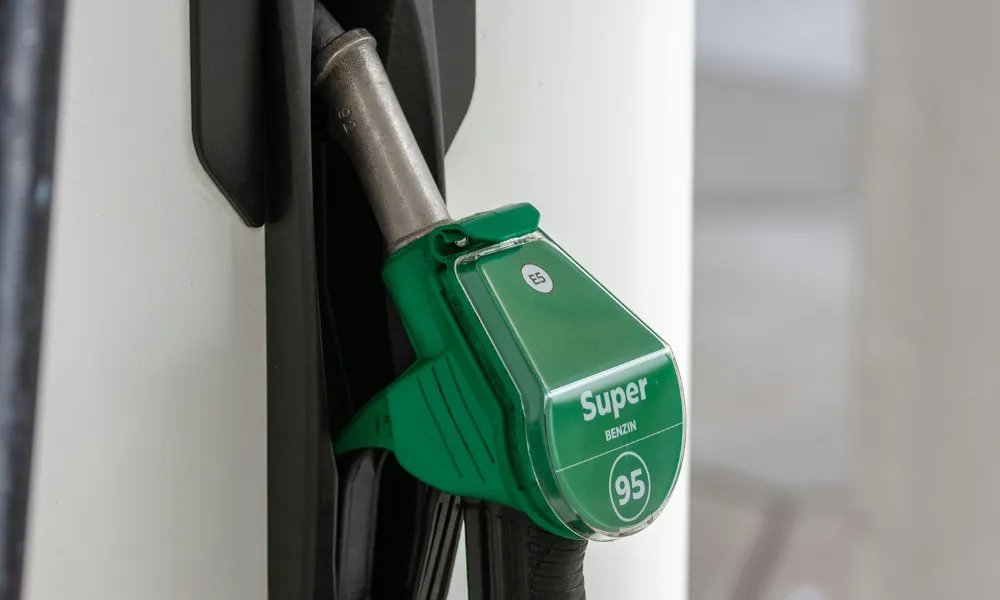
BP’s customers and products division, which includes its oil and fuel trading activities, reported profits of 2.5 billion dollars, compared with just 103 million dollars a year earlier.
Production remains stable
Despite the strong trading results, BP said production in its oil and gas exploration and extraction segment remained broadly stable.
The company also warned that the second quarter could be weaker due to disruptions in the Middle East.
The results are the first released under BP’s new chief executive, Meg O’Neill, who took office at the beginning of April following the departure of her predecessor, Murray Auchincloss.
O’Neill said she assumed leadership at a time when the energy sector is operating in an environment marked by conflict and complexity. She added that the company is working with governments and customers to ensure fuel reaches areas where it is most needed and to reduce supply disruptions.
Share price rises amid market uncertainty
BP’s share price rose by around 3 percent on Tuesday and has gained roughly 20 percent since the outbreak of the conflict with Iran.
Susannah Streeter, head of investment strategy at Wealth Club, said the company’s trading arm clearly benefited from the extreme price swings, which increase both trading volumes and opportunities in energy markets.
However, analysts warned that BP’s production activities remain exposed to damage and instability affecting energy infrastructure across the Gulf region.
Charles Hall, head of research at Peel Hunt, said BP appears cautious about the second quarter. While high trading profits could continue for some time, he noted that the global energy environment remains highly uncertain.
Debate over energy company windfall profits
BP’s results have also reignited debate in the United Kingdom over the windfall profits of energy companies during international crises.
Mike Childs, head of science, policy and research at Friends of the Earth, said that, as after Russia’s invasion of Ukraine in 2022, major fossil fuel companies tend to benefit when geopolitical instability drives energy prices higher. He added that the cost ultimately falls on households, as rising prices risk intensifying the cost of living crisis.
Currently, most gas and electricity bills in the United Kingdom remain temporarily protected by the price cap imposed by the energy market regulator. Until 30 June, the average annual bill for households with dual fuel supply and direct debit payments stands at 1,641 pounds.
However, higher wholesale oil and gas prices following the start of the Iran conflict could lead to an increase of around 200 pounds when the price cap is reviewed in July.
Energy companies operating in the United Kingdom continue to be subject to a windfall tax introduced in 2022 after profits surged following Russia’s invasion of Ukraine. The tax applies only to profits from oil and gas extraction within the United Kingdom and does not cover revenues from international trading and energy market transactions.
Source: BBC