
Experts are warning that flawed economic models may underestimate the accelerating impacts of the climate crisis, potentially exposing the global economy to systemic collapse. A new report argues that the recovery from such a scenario would be far more difficult than the 2008 financial crisis, as ecological systems cannot be restored in the same way as financial institutions.
Rising temperatures and systemic economic risk
As the world moves rapidly towards a 2°C increase in global temperatures, the risks of extreme weather events are rising sharply. However, according to researchers, current economic models used by governments and financial institutions largely ignore such crises. Instead, they assume that steady economic growth will be slowed only by gradual increases in average temperatures.
This assumption is based on the premise that the future will behave like the past, despite the fact that fossil fuel combustion is pushing the climate system into uncharted territory.
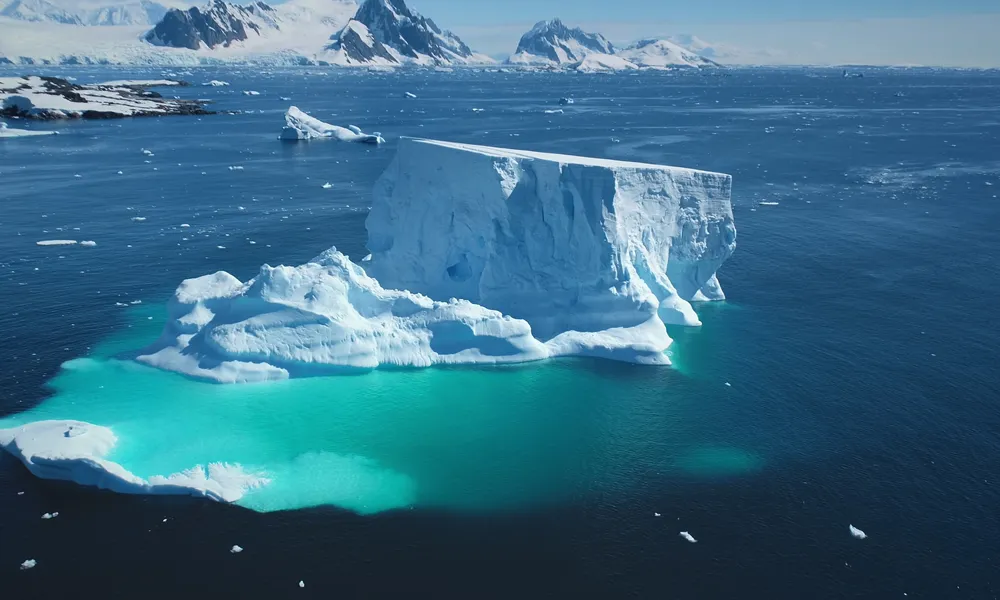
Tipping points, such as the collapse of critical Atlantic currents or the Greenland ice sheet, would have global consequences for society. Some are considered to be at or close to tipping point, although their timing remains difficult to predict. Combined extreme weather disasters could devastate national economies, according to researchers from the University of Exeter and the Carbon Tracker Initiative.
Findings of the University of Exeter and Carbon Tracker report
The report concludes that governments, regulators and financial managers must pay much greater attention to high-impact, low-probability risks. Avoiding irreversible outcomes through reductions in carbon dioxide emissions is described as far less costly than attempting to address the consequences after they occur.
Dr Jesse Abrams of the University of Exeter stated: “We are not dealing with manageable economic adjustments. The climate scientists we consulted were unequivocal: current economic models cannot capture what matters most – the cascading failures and compound crises that define climate risk in a warming world – and they could undermine the very foundations of economic growth.”
He added: “For financial institutions and policymakers, this represents a fundamental misreading of the risks we face. We are thinking of something like the 2008 crisis, but from which we cannot recover as effectively. Once ecosystems or the climate collapse, we cannot rescue the Earth as we rescued the banks.”
Mark Campanale, Chief Executive of the Carbon Tracker Initiative, stated: “The end result of flawed economic advice is widespread complacency among investors and policymakers. In some government departments there is a tendency to downplay the economic impacts of climate change in order to avoid making difficult decisions today. This is a serious problem. The consequences of delay are devastating.”
Economic models and projected GDP losses
In 2025, experts projected that the global economy could face a loss of 50% of GDP between 2070 and 2090 due to catastrophic climate shocks, a figure significantly higher than previous estimates.
The new report is based on assessments from 68 climate scientists from research institutions and government agencies in the United Kingdom, the United States, China and nine other countries.
One key conclusion is that while economic models traditionally link climate damage to changes in average temperatures, societies and markets suffer most from extreme events such as heatwaves, floods and droughts.
Another conclusion is that GDP may conceal the full cost of climate damage, as it does not account for deaths and health problems, social unrest and ecosystem degradation. Researchers added that GDP can in fact rise after disasters due to increased spending on recovery.
Financial system vulnerability and fossil fuel exposure
The report suggests that rather than waiting for perfect risk models, greater emphasis should be placed on extreme scenarios rather than only central estimates, as well as on the vulnerability of the entire financial system.
Investors should also accelerate their transition away from fossil fuels as part of their duty to avoid major future losses, according to Campanale.
Current economic models may produce loss estimates that appear precise, but scientists described them as overly optimistic.
Laurie Laybourn of the Strategic Climate Risks Initiative stated: “We are currently experiencing a radical shift in the speed, scale and severity of risks caused by the climate and nature crisis. Yet many regulations and government actions remain dangerously disconnected from reality.”
With information from The Guardian.