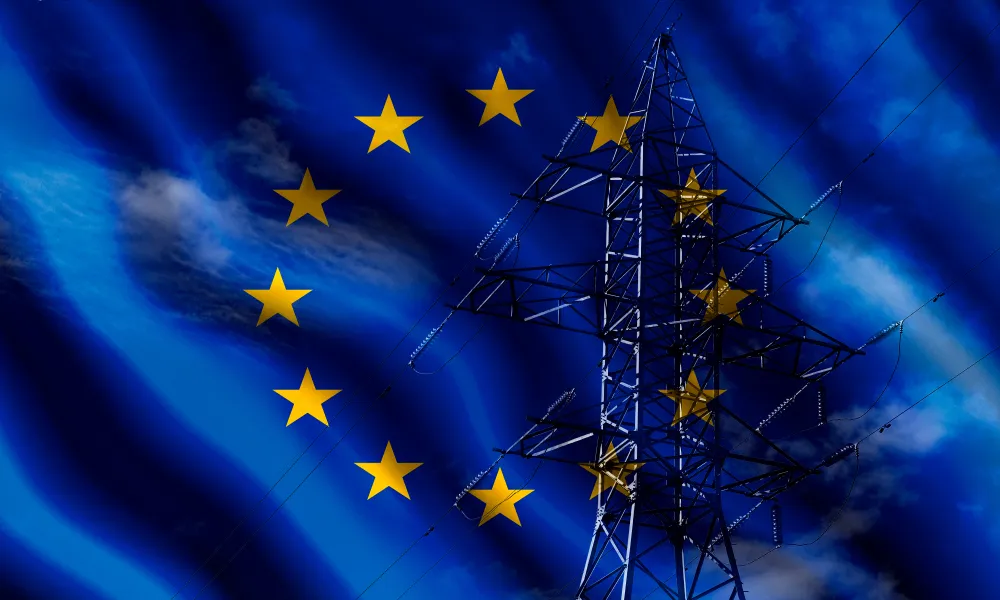



The conflict involving Iran is triggering a new energy shock across Europe, exposing the EU’s vulnerability at a decisive stage in its transition away from fossil fuels.
Since late February, European gas prices have surged by roughly 70%, while oil has climbed about 60%. The jump reflects escalating tensions in the Middle East and renewed threats to major shipping routes, including the Strait of Hormuz. With no clear end to the disruption, governments are being forced to recalibrate priorities.
The dilemma is immediate: protect households and industry from spiralling costs while keeping the bloc’s 2050 climate‑neutrality pledge intact.
Coal Considered Again as Prices Surge
The surge in energy prices has reopened debate about whether conventional power sources can help stabilise Europe’s markets.
Germany is considering keeping some coal plants online for longer, while Italy has postponed its coal phaseout to 2038. Both governments frame these steps as temporary safeguards rather than a shift in long‑term policy. In practice, however, the options are narrow. Much of Europe’s coal infrastructure is old, costly to restart, and constrained by strict environmental rules, which makes any meaningful resurgence in coal use unlikely.
Brussels remains firm as well. Suggestions to reconsider Russian fossil fuel imports have been rejected, and EU officials are warning governments to prepare for a prolonged period of global energy volatility.
Renewables Gain Strategic Momentum
The crisis is reinforcing a key argument that has gained ground since Russia’s invasion of Ukraine: energy security and decarbonisation are becoming increasingly interconnected.
Even in volatile markets, renewable energy remains cheaper than imported gas. Countries with higher shares of wind, solar and hydro power, particularly Spain and Portugal, have proven more resilient to recent price shocks.
This advantage is driving further investment. France is prioritising the electrification of buildings and transport, Germany is expanding wind capacity, and Italy is increasing support for renewable hydrogen. However, infrastructure remains a significant constraint. Upgrading national grids and strengthening cross-border interconnections are essential for integrating higher volumes of renewable energy and improving system efficiency.
A Test of Europe’s Strategic Resolve
The geopolitical backdrop is sharpening Europe’s rationale for accelerating its energy transition, while at the same time testing political endurance.
Analysts warn that slowing investment in clean energy or turning back to fossil fuels as a temporary solution would increase Europe’s exposure to future shocks. The current disruption, they argue, underscores the structural risks linked to dependence on imported oil and liquefied natural gas.
The European Commission is expected to present updated proposals on energy security and electrification in the coming weeks, with an emphasis on expanding domestic energy production.
For EU policymakers, the challenge has shifted. It is no longer only about balancing climate ambition with economic cost. In a period of geopolitical instability, the energy transition is increasingly central to Europe’s broader security strategy.
Source: Euronews