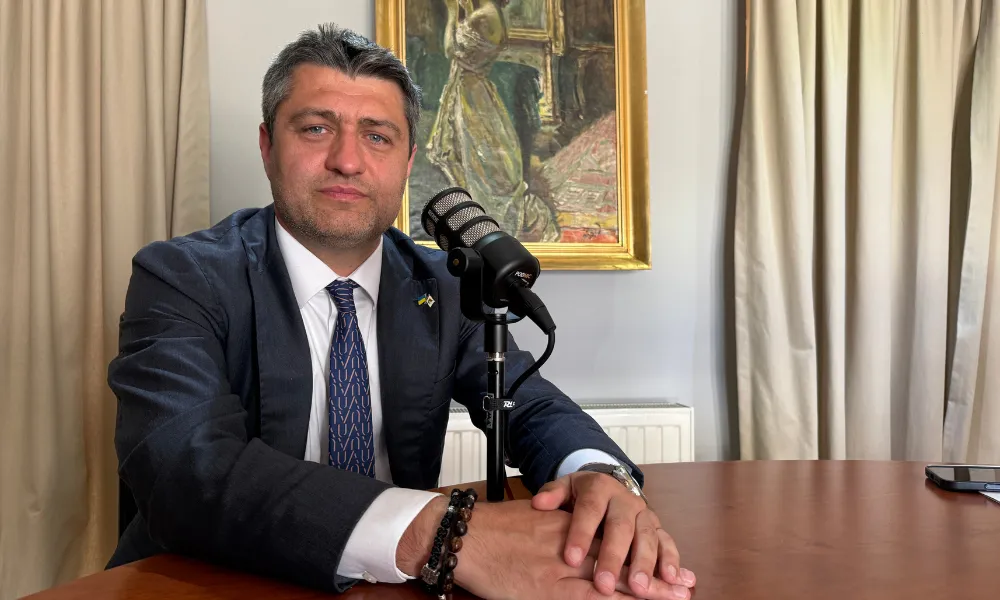

Forty years after the Chornobyl nuclear disaster, its consequences continue to shape global debates on nuclear safety, environmental protection and international responsibility. Speaking to Politis To The Point, Serhii Nizhynskyi of the Embassy of Ukraine in the Republic of Cyprus reflected on the lasting meaning of the catastrophe and the concerns emerging today as nuclear facilities become entangled in military conflict.
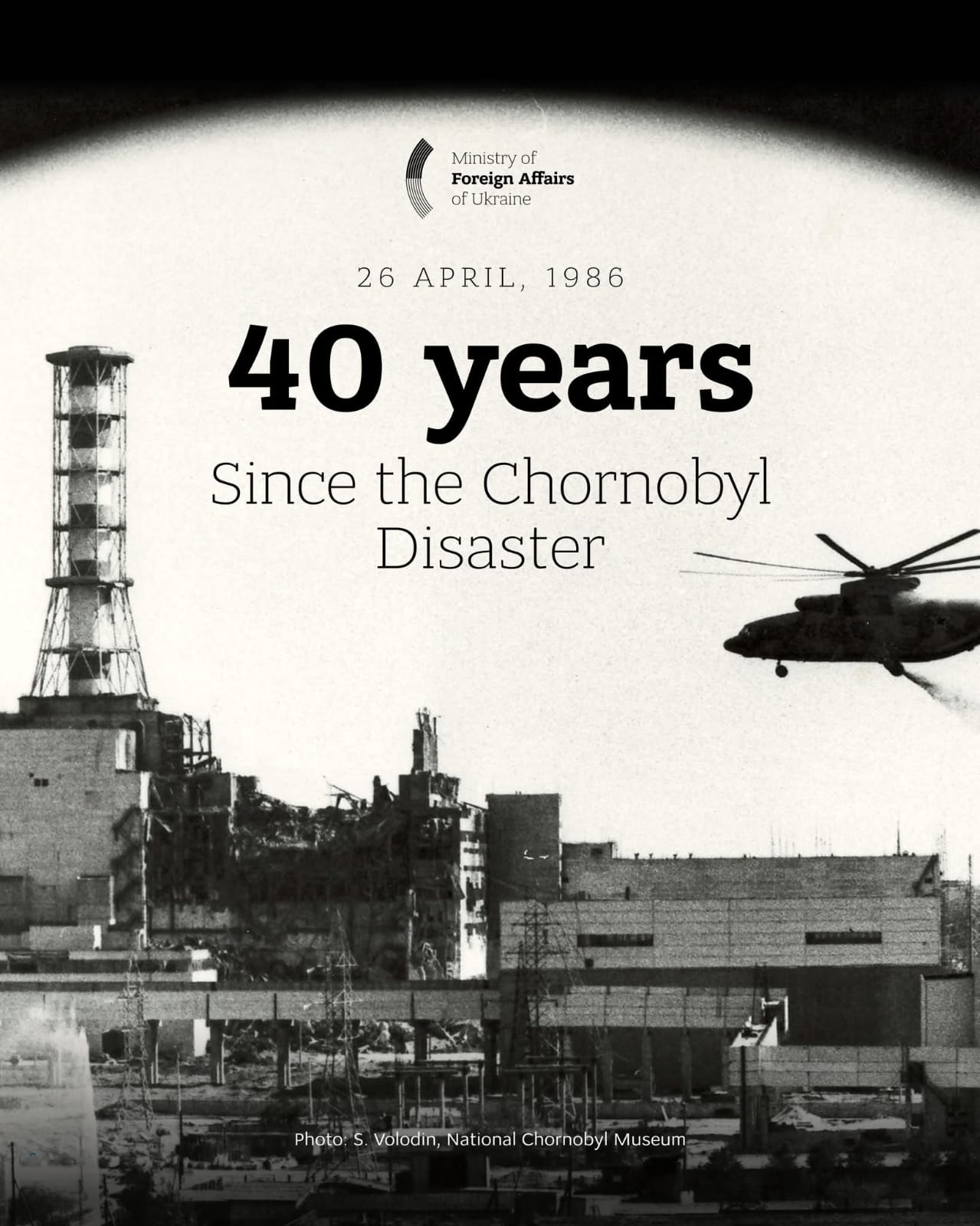
The anniversary comes at a time when international organisations and governments are again warning about the vulnerability of nuclear infrastructure during war, underscoring the enduring relevance of the lessons from April 1986.
A tragedy that changed history
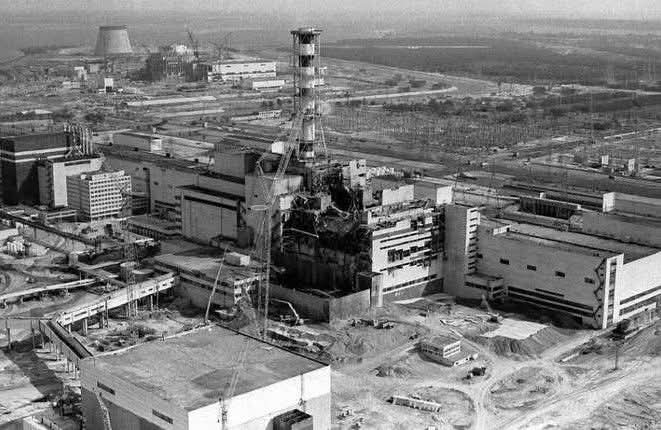
On the night of 26 April 1986, a failed safety test triggered two explosions at Reactor Number Four of the Chornobyl Nuclear Power Plant. The blasts released a radioactive cloud across Europe and forced the evacuation of hundreds of thousands of people.
Ambassador Nizhynskyi recalled that the disaster remains one of the most defining moments in modern European history.
“Forty years ago, on the night of April 26, 1986, the Chernobyl Nuclear Power Plant exploded. A failed safety test triggered two massive blasts that destroyed Reactor Number Four, sent a deadly radioactive cloud across Europe, and changed history.”
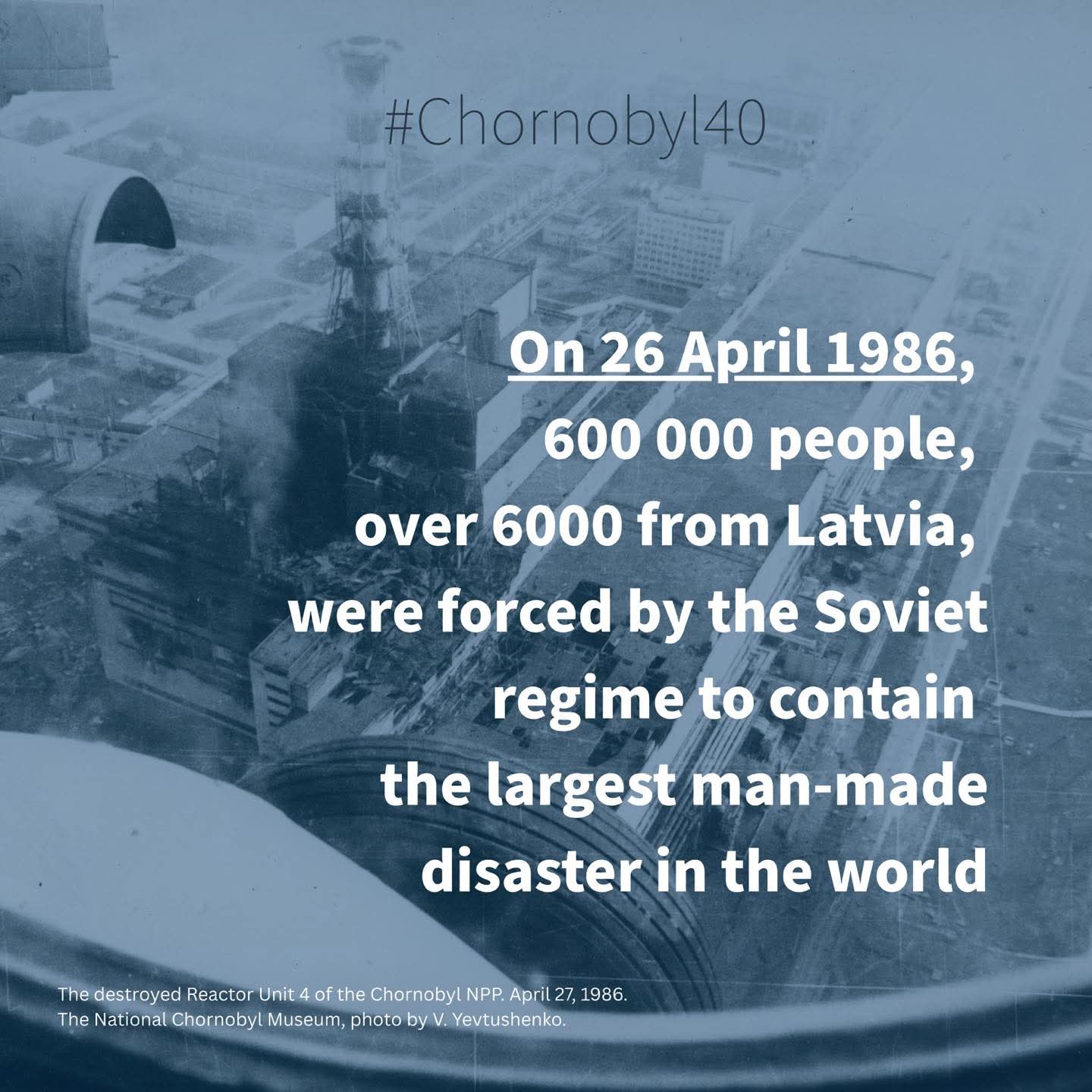
Entire communities were displaced, including the nearby city of Pripyat, which remains abandoned. More than 600,000 emergency workers, known as “liquidators”, took part in efforts to contain the catastrophe.
“We remember their sacrifice with profound gratitude. Chernobyl is not just a date on the calendar – it is a permanent warning: nuclear safety must never be compromised,” the ambassador said.
The long international effort to contain the disaster
Over the decades, Ukraine worked with international partners to stabilise the damaged reactor and contain radioactive materials.
The deteriorating Soviet sarcophagus that originally covered Reactor Four was eventually replaced with the New Safe Confinement, a massive steel arch designed to isolate radioactive dust and enable long-term dismantling and cleanup operations.
The structure, which cost more than €1.5 billion, was designed to remain operational for at least a century and became one of the largest international nuclear safety projects ever undertaken.
International cooperation around Chornobyl continues to be a central element of nuclear safety policy. Participants in the International Donor Conference on Chornobyl in Kyiv this month reaffirmed that the consequences of the disaster remain a shared global responsibility.
“Forty years after the Chornobyl disaster, its legacy remains a global responsibility,” participants stated in a joint declaration marking the anniversary.
New risks linked to the war in Ukraine
However, the conference also warned that the legacy of Chornobyl is now facing new threats as a result of the ongoing war in Ukraine.
Delegates expressed “serious concern over the damage to the New Safe Confinement at the Chornobyl Nuclear Power Plant, caused on 14 February 2025 by a Russian drone strike, which poses serious risks to nuclear safety and long-term structural integrity.”
Ambassador Nizhynskyi said the attacks on nuclear facilities represent a dangerous escalation.
“But that hard-won protection is now under direct threat – not from an accident, but from deliberate military aggression,” he said.
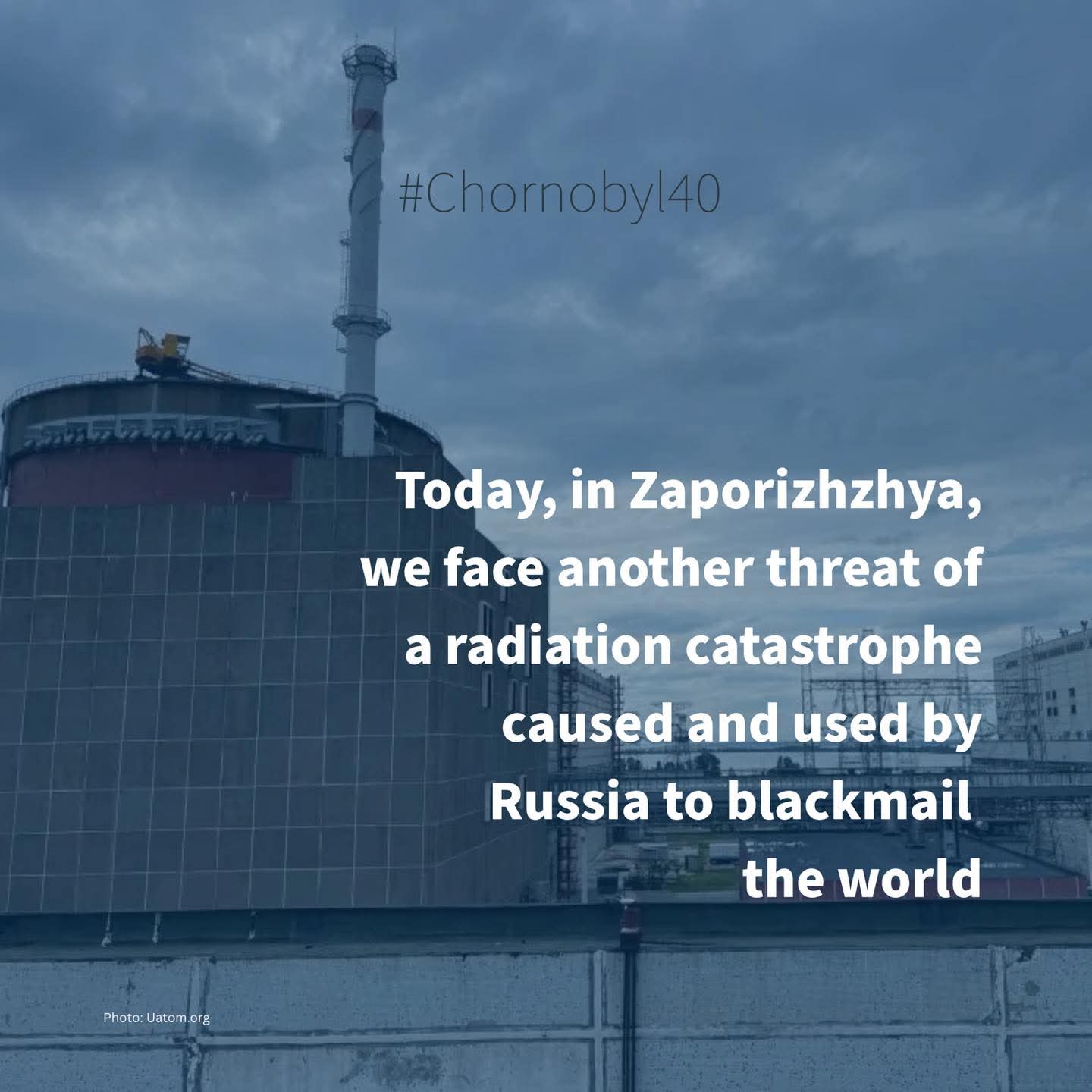
The ambassador added that nuclear safety has become a broader international concern, particularly as Europe’s largest nuclear facility, the Zaporizhzhia Nuclear Power Plant, remains under Russian control.
“A new radiological release would not stop at borders. Radioactive contamination could spread across countries, affecting millions of people, the environment, agriculture, and water supplies,” he warned.
A global responsibility
International partners gathering in Kyiv also emphasised that nuclear facilities must never become targets during armed conflict.
“Nuclear safety must never be compromised,” the conference statement underlined, calling for stronger international cooperation and renewed efforts to safeguard nuclear installations.
For Ukraine, the anniversary of the Chornobyl disaster remains both a moment of remembrance and a call to action.
“The memory of Chernobyl is not only about sorrow – it is about responsibility and action,” Nizhynskyi said. “We cannot allow the mistakes of the past to be repeated through deliberate aggression today.”