


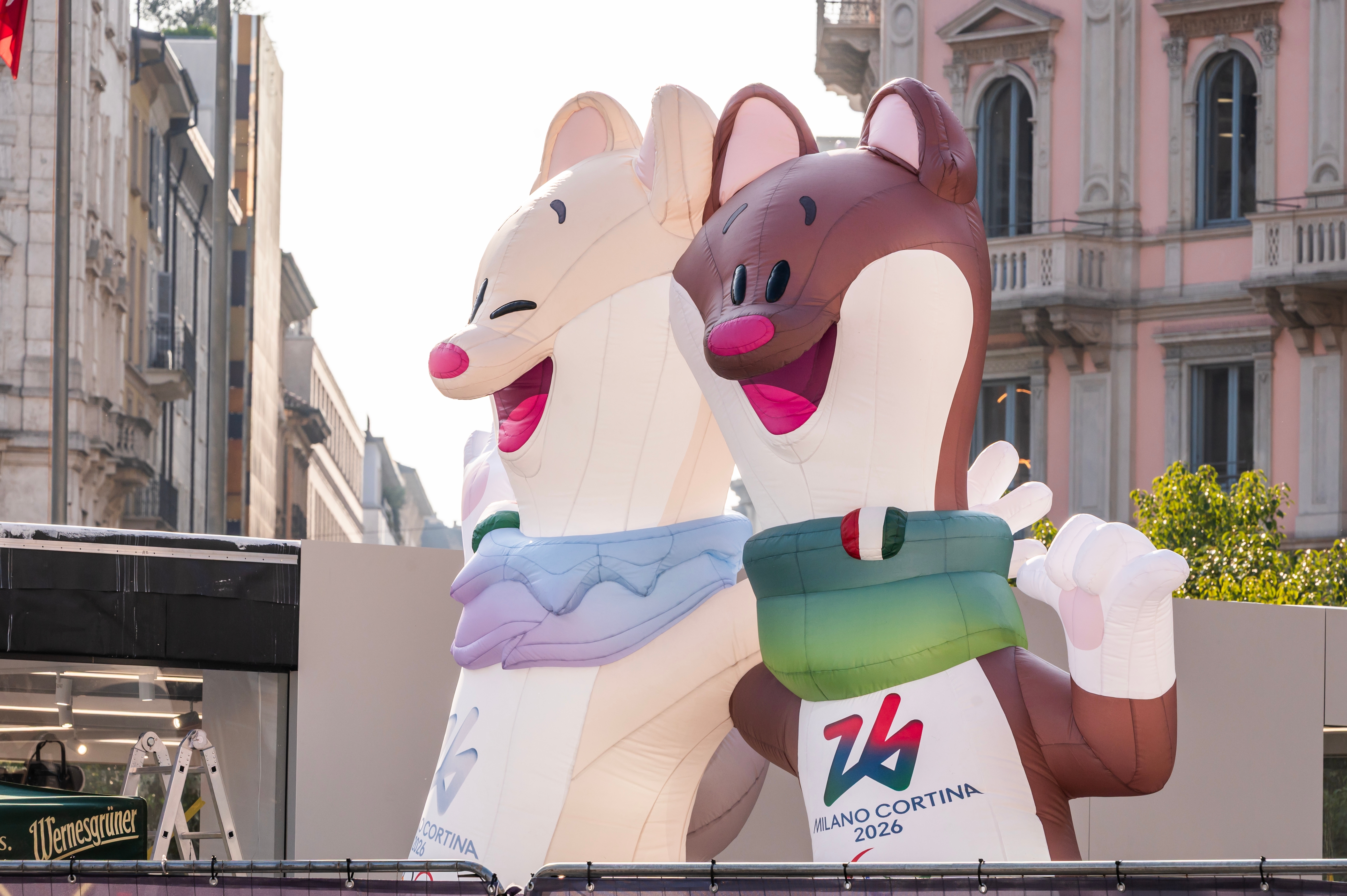
When the Winter Olympics officially open today, Friday the 6th of February, across northern Italy, they will revive a century-old vision of international cooperation through sport. Yet the return of the Games comes at a moment when that vision feels increasingly detached from geopolitical reality.
The Milan–Cortina Olympics are unfolding against what analysts describe as one of the most unstable global political landscapes in decades, raising questions about whether the Games still serve as a meaningful symbol of unity or merely a carefully staged contrast to a fractured world.
A return shadowed by history
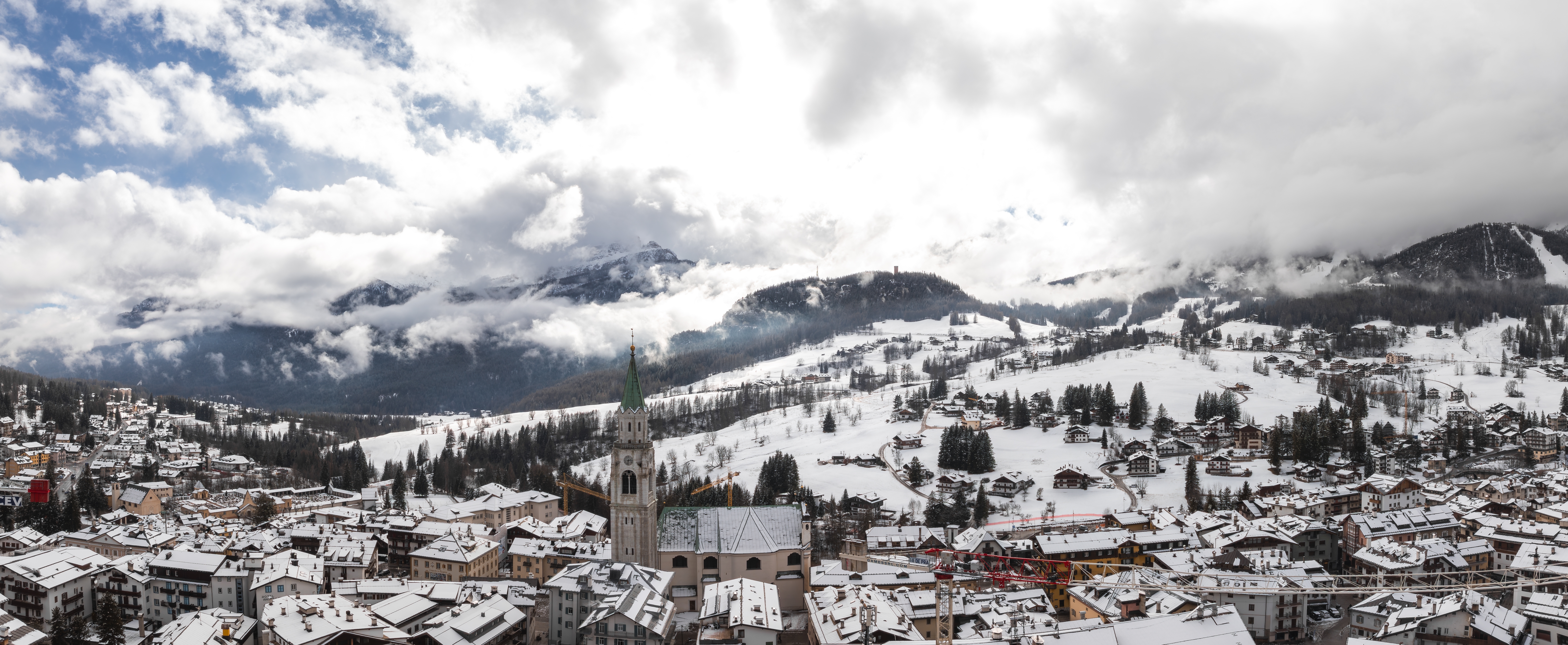
Cortina d’Ampezzo was first scheduled to host the Winter Olympics in 1944, an event cancelled due to the Second World War. Eight decades later, the Games are returning to Italy during another period of profound international strain.
This time, the ideals that underpin the Olympic movement, respect for rules, peaceful competition and equality among nations, sit uneasily alongside wars, diplomatic breakdowns and the erosion of multilateral cooperation.
Jules Boykoff, a scholar of sports politics, speaking to The New York Times has described the Milan–Cortina Games as taking place in the most politically fractious moment in recent Olympic history.
A world order under pressure
The contrast is particularly stark given recent global developments. In recent weeks, US President Donald Trump ordered military action against Venezuela without congressional approval, threatened to use force to seize Greenland from a NATO ally and warned European partners of economic retaliation for opposing him.
Although some of those threats were later withdrawn, they reinforced wider anxieties about the weakening of diplomatic guardrails and long-standing alliances. These concerns have been compounded by uncertainty surrounding the future of the United Nations following sharp cuts to national contributions.
While past Olympic Games have taken place amid war and crisis, analysts argue that what distinguishes the current moment is the broader challenge to the rules-based international system itself.
Italy’s uneasy diplomatic position
Italy’s prime minister, Giorgia Meloni, will attend the opening ceremonies, her presence underscoring the strains within Europe’s relationship with the United States. Once seen as a potential intermediary between Washington and European capitals, Meloni has had limited influence since Trump’s return to office.
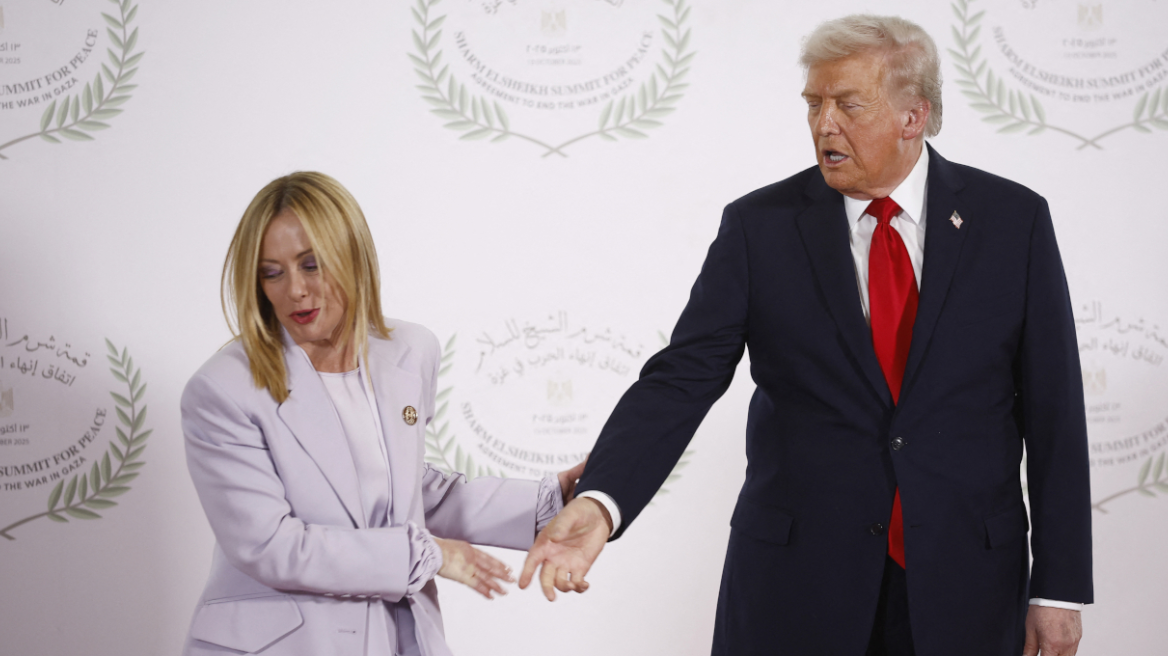
In January, she publicly criticised the US president after he downplayed Europe’s role in Afghanistan, reminding him that friendship requires mutual respect. Political analysts in Rome suggest that Italy’s capacity to moderate US behaviour remains minimal, despite the symbolism of the Olympic stage.
Still, some see the Games as an opportunity for cautious diplomatic repair. US Vice President JD Vance and Secretary of State Marco Rubio are expected to attend the opening ceremony, potentially offering space for informal engagement.
Sport as politics by other means
The International Olympic Committee continues to frame the Games as politically neutral. Critics, however, argue that this stance ignores reality.
Sports, Boykoff argues, are inherently political, reflecting power dynamics and geopolitical tensions even when neutrality is claimed. The idea that the Olympics can exist outside politics, he says, is a convenient fiction.
That tension has already surfaced in Italy. News that US Immigration and Customs Enforcement (ICE) agents would be present as part of the Olympic security operation sparked public anger, particularly following controversial enforcement actions in Minneapolis. The Italian government moved quickly to clarify that the agents would have no policing authority on Italian soil.
A history of disruption
The modern Olympics have repeatedly been shaped by global events. Five Games were cancelled during the two world wars. The 1972 Munich Games were marked by the killing of Israeli athletes. Cold War boycotts defined the Moscow and Los Angeles Games in 1980 and 1984.
More recently, Russia’s invasion of Ukraine led to Russian and Belarusian athletes competing only as neutrals. The International Olympic Committee has rejected calls to bar delegations from Israel or the United States, insisting that such political disputes fall outside its mandate.
Each Games revives the Olympic call for a pause in military conflict. This year, that appeal feels particularly aspirational.
Climate change as the unspoken crisis
Beyond geopolitics, climate change looms as another existential challenge for the Winter Olympics. Rising temperatures and shrinking snow cover are already reshaping how the Games are staged.
Researchers warn that without artificial snowmaking, only a handful of cities worldwide would be able to host Winter Games by mid-century. For some observers, the spectacle of winter sports sustained by technology amid warming mountains has become a symbol of denial rather than resilience.
David Goldblatt, a historian of the Olympics, speaking to The New York Times has described the Winter Games as approaching something akin to a farewell celebration, staged while political leaders roll back climate commitments and dispute scientific consensus.
A fragile ideal
For athletes and organisers alike, the Olympics still carry emotional and symbolic weight. Yet the gap between Olympic ideals and global realities has rarely felt wider.
As competitors gather in Italy under the banner of peaceful rivalry, the Games will project harmony to a world increasingly defined by conflict, mistrust and ecological strain. Whether that projection offers meaningful inspiration or merely temporary escape remains an open question.