
The draft law, which also limits access for older teenagers when caffeine levels are high, forms part of a broader strategy to address youth health and exposure to unhealthy products.
New restrictions on high-caffeine drinks
The measure has been promoted by Spain’s Minister of Consumer Affairs, Pablo Bustinduy, following two years of public debate.
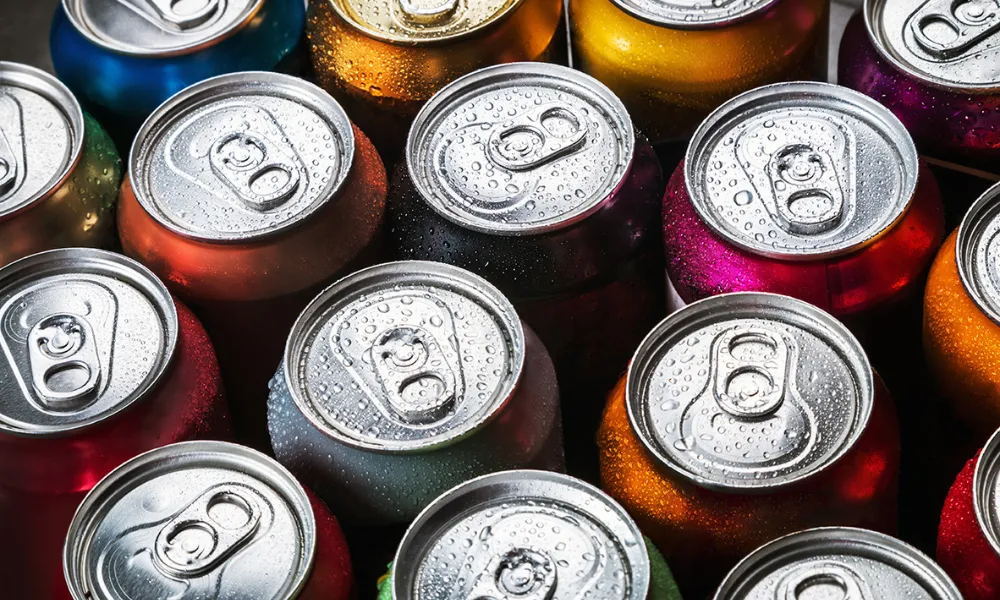
Under the regulation, the sale of energy drinks will be banned for under-16s. Access for 16 and 17-year-olds will be restricted when caffeine content exceeds 32mg per 100 millilitres.
The government cites data from Spanish Agency for Food Safety and Nutrition (Aesan), which links excessive consumption of caffeine, sugar and stimulants to sleep disturbances, anxiety, depression, behavioural disorders and cardiovascular complications. Risks are also highlighted for pregnant women and breastfeeding mothers.
Strong public backing
According to government data, the proposal is supported by 90 per cent of the Spanish population. More than half of respondents favour extending the prohibition to all minors. Among those aged 18 to 35, support stands at 88 per cent.
The national ban will complement an existing prohibition on the sale of energy drinks in schools, including cafeterias, canteens and vending machines, introduced last year.
Youth consumption trends
Over the past decade, energy drink consumption in Spain has increased by nearly 40 per cent. One in four residents consumes such beverages twice a week on average.
Among regular buyers, half drink at least one can per day, while half report mixing energy drinks with alcohol. Health authorities warn that stimulants can mask the effects of alcohol and potentially intensify intoxication.
Official figures indicate that seven out of ten cans sold in Spain are consumed by young people. Around 43 per cent of adolescents aged 14 to 18 drink energy drinks frequently, with higher rates recorded among boys. Within the same age group, 15 per cent mix them with alcohol.
Studies also report measurable consumption among children aged three to ten.
Similar restrictions on energy drink sales to minors are already in place in several European countries, including Germany, Norway, Latvia, Poland, Hungary and Lithuania.
Limits on unhealthy food advertising
The Ministry of Consumer Affairs is also preparing legislation to restrict advertising of unhealthy foods aimed at children and adolescents.
Research shows that 80 per cent of Spanish children consume ultra-processed foods high in fats, sugar or salt. Such dietary patterns are associated with increased obesity risk.
Estimates suggest that each child in Spain is exposed to more than 4,000 advertisements for unhealthy food annually through television, equivalent to nearly eleven per day. When social media exposure is included, the figure rises to approximately 30 advertisements daily.