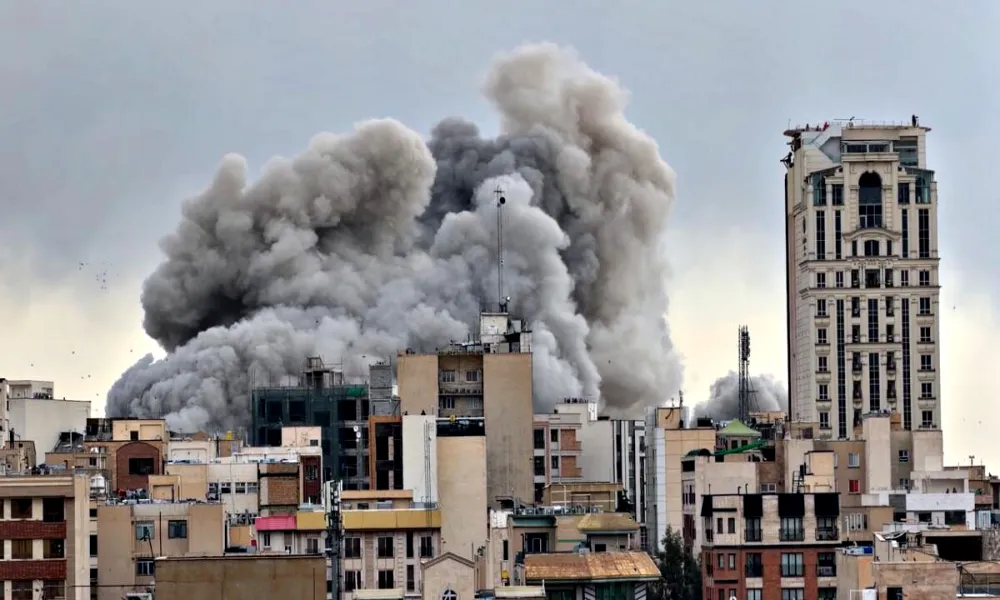



The current war between the United States, Israel and Iran began on February 28, when American and Israeli forces launched large-scale airstrikes across Iran targeting military infrastructure, missile systems and senior leadership. The opening wave of attacks reportedly killed Iran’s Supreme Leader Ayatollah Ali Khamenei and several senior officials after his compound in Tehran was struck. The operation, known as Operation Epic Fury, involved hundreds of strikes during the first hours of the conflict and targeted nuclear facilities, air defence systems and command structures across the country.
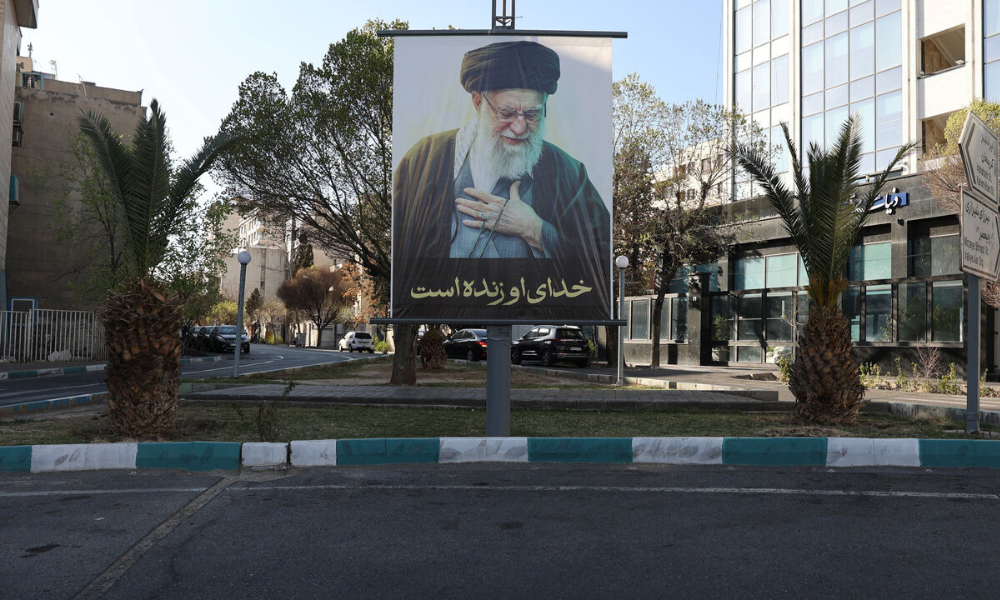
Western officials said the objective was to weaken Iran’s military capabilities and prevent it from developing nuclear weapons. Within days, Iran’s clerical leadership appointed Mojtaba Khamenei, the son of the late supreme leader, as his successor, marking one of the most dramatic leadership transitions in the country since the 1979 revolution.
Iran’s retaliation across the region
Iran responded with a broad campaign of missiles and drones against Israel, US military bases and allied countries across the Middle East. Hundreds of projectiles were launched during the first days of the war, targeting locations in Israel and several Gulf states hosting American forces, including Bahrain, Qatar, Kuwait and Saudi Arabia.
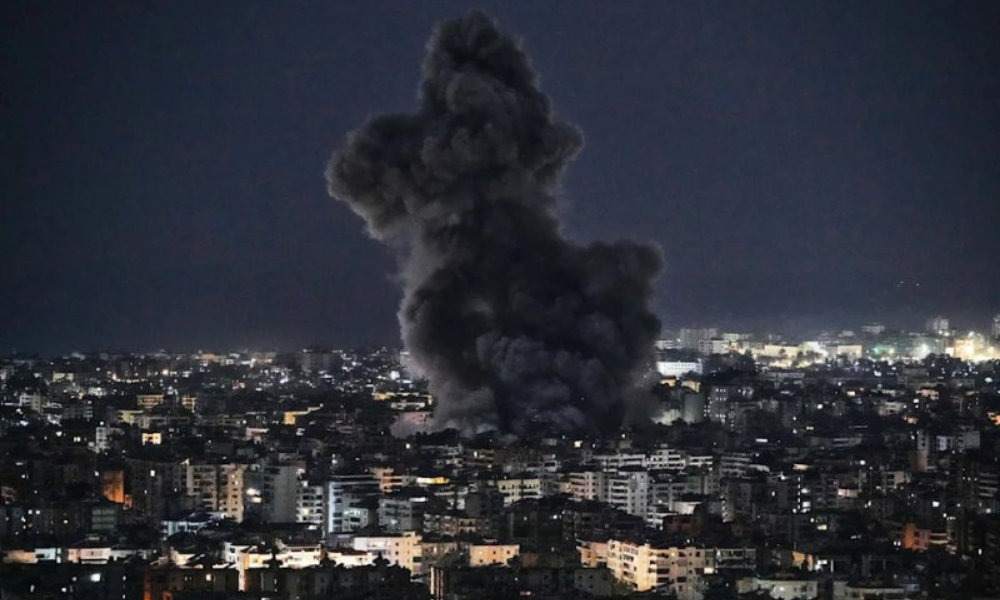
Attacks also disrupted energy infrastructure in the Gulf, including strikes near oil storage facilities in Bahrain. The escalation quickly spread across the region. Hezbollah resumed fighting with Israel in southern Lebanon, while airstrikes and militia attacks were reported in Iraq involving Iran-aligned armed groups. The conflict has also affected global shipping, with Iran effectively disrupting traffic through the Strait of Hormuz, a strategic maritime corridor through which roughly one fifth of the world’s oil supply normally passes.
Humanitarian and economic impact
The conflict has already caused heavy casualties and large-scale displacement across the Middle East. Thousands of people have been killed across several countries, while millions are estimated to have been displaced, particularly inside Iran where infrastructure damage has been extensive. Civilian casualties have also been reported following airstrikes in populated areas and retaliatory attacks targeting cities and infrastructure.
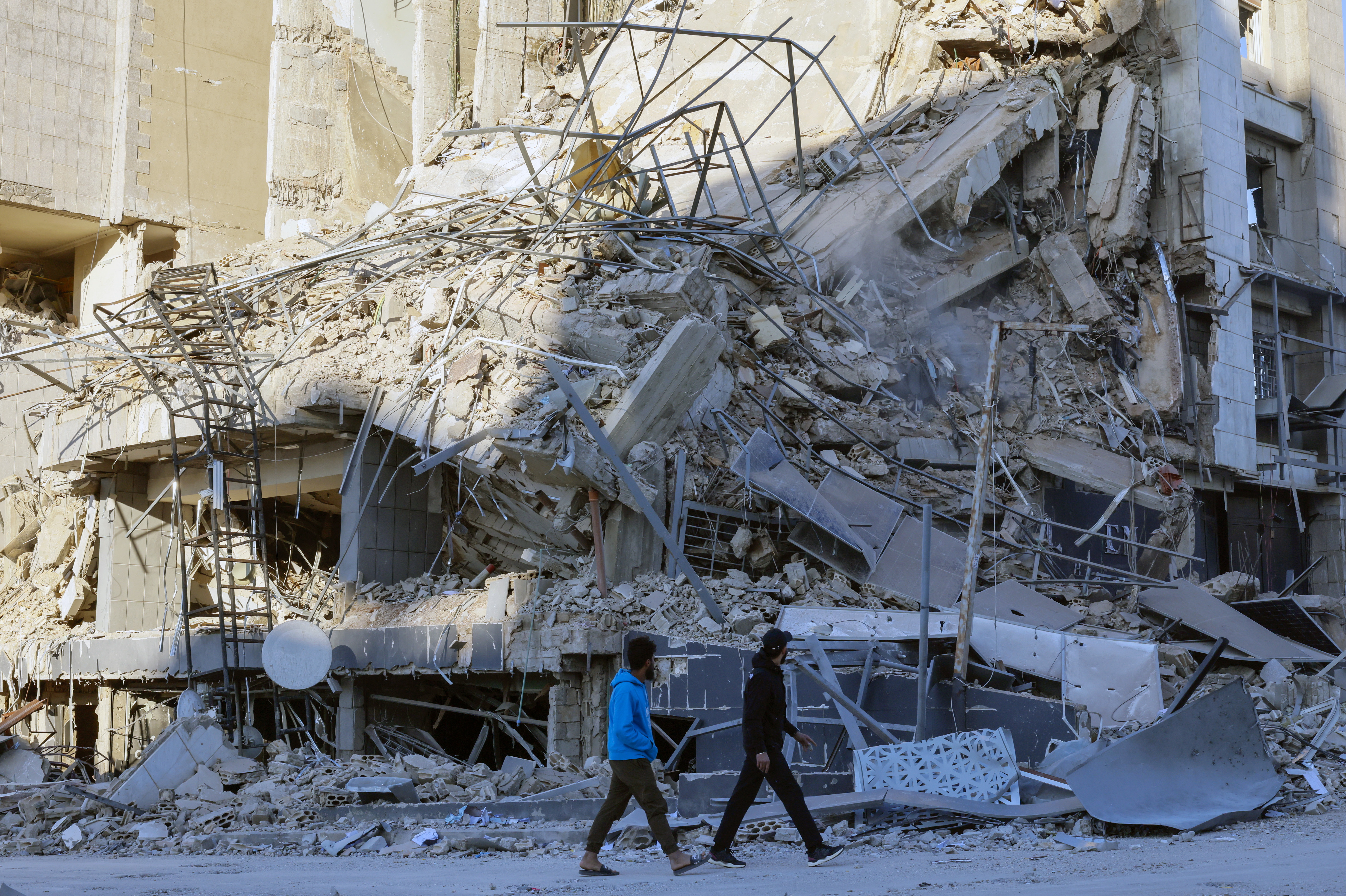
At the same time, the war has triggered major volatility in global energy markets. Oil prices surged above 100 dollars per barrel during the first days of the conflict before partially stabilising as governments discussed releasing strategic reserves to calm markets. Natural gas prices in Europe also rose sharply as investors reacted to the risk of prolonged disruption to global energy supplies.
Trump’s strategy and Iran’s response
US President Donald Trump has framed the campaign as an effort to dismantle Iran’s military capabilities and remove what he described as the nuclear threat posed by Tehran. Trump has repeatedly stated that the war will continue until Iran accepts what he called “unconditional surrender”.
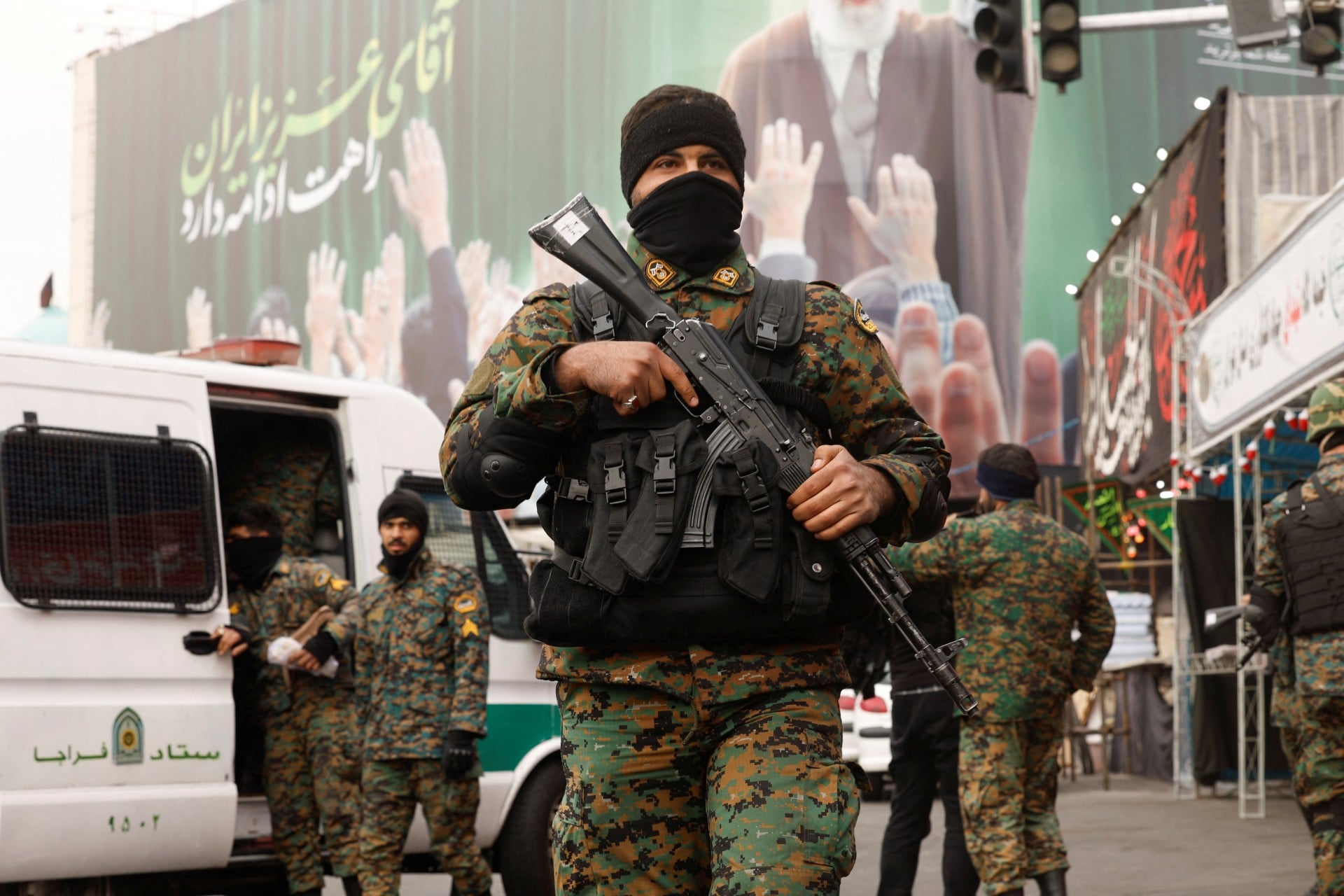
Iran’s new leadership has rejected those demands and vowed to continue fighting, warning that retaliation would continue across the region and urging neighbouring countries to limit access to US military bases. Despite the killing of the country’s supreme leader, analysts say Iran’s political system has mechanisms designed to ensure continuity of leadership even during major crises.
Recent escalation
In the most recent developments, Iran launched additional missile barrages towards Israel despite earlier claims from US officials that Iranian missile capabilities had been significantly degraded. Israel has also expanded its air campaign in Lebanon, carrying out strikes in Beirut and other areas that had previously been considered relatively safe.
Casualties have continued to mount, with reports of deaths following airstrikes near Tehran and in southern Lebanon, while additional incidents linked to the conflict have been reported in parts of the Gulf region. Two weeks after the first strikes, the conflict shows no clear signs of ending, raising concerns that the war could continue to destabilise the Middle East and the global economy for months to come.
Sources: Reuters, BBC, AP News, France24