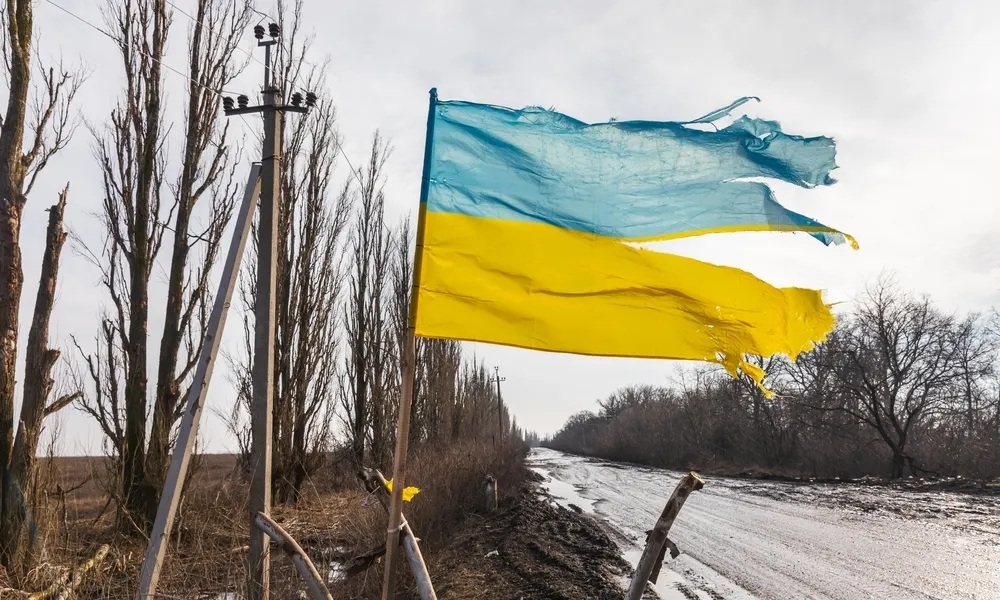
Europe once again finds itself running to keep up with events on Ukraine, after Washington and Moscow quietly shaped a 28-point peace plan and presented it to Kyiv and allies only after the fact.
For months, the European Union has struggled to play a central role in talks on ending the war. Former US president Donald Trump has stepped into that space, casting himself as a dealmaker, boosted by his Gaza ceasefire initiative that was eventually accepted. With the new Ukraine plan now on the table and President Volodymyr Zelensky ready to discuss it, despite the painful concessions it reportedly contains, European capitals are scrambling to respond and blaming overloaded agendas for their slow reaction.
Europe races to respond to US–Russia peace outline
With delay and a sense of panic, EU governments are now trying to coordinate a common line on the US–Russia proposal, which officials warn could amount to a “surrender” of Kyiv to Moscow’s demands.
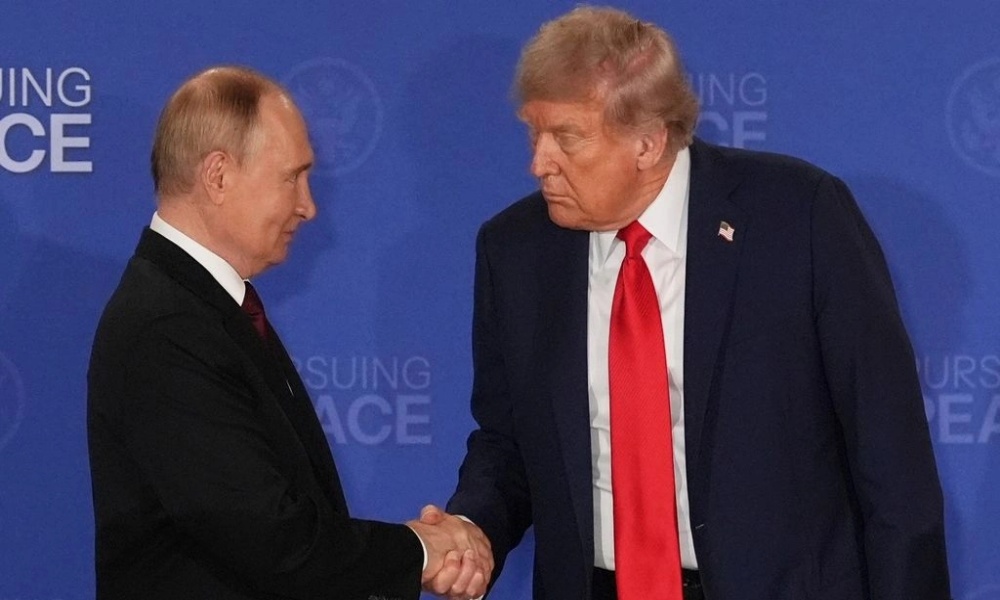
Washington is pressing Ukraine to accept the 28-point plan drafted by advisers to Trump and Russian president Vladimir Putin. According to reports, the blueprint calls on Kyiv to cede large areas of territory it currently controls and to give up any future bid to join NATO, in exchange for security guarantees and a ceasefire.
The scale of the concessions and the intensity of US pressure took many European leaders and their national security teams by surprise. Diplomats involved in tense talks told the Financial Times that they are still digesting the details. “We are still analysing it, but it came together much faster than we realised,” one official said, adding that it “essentially means surrender to Moscow”.
Three senior European officials said it is not yet clear whether Trump fully backs the document or whether there are internal divisions inside his administration over the final shape of the plan.
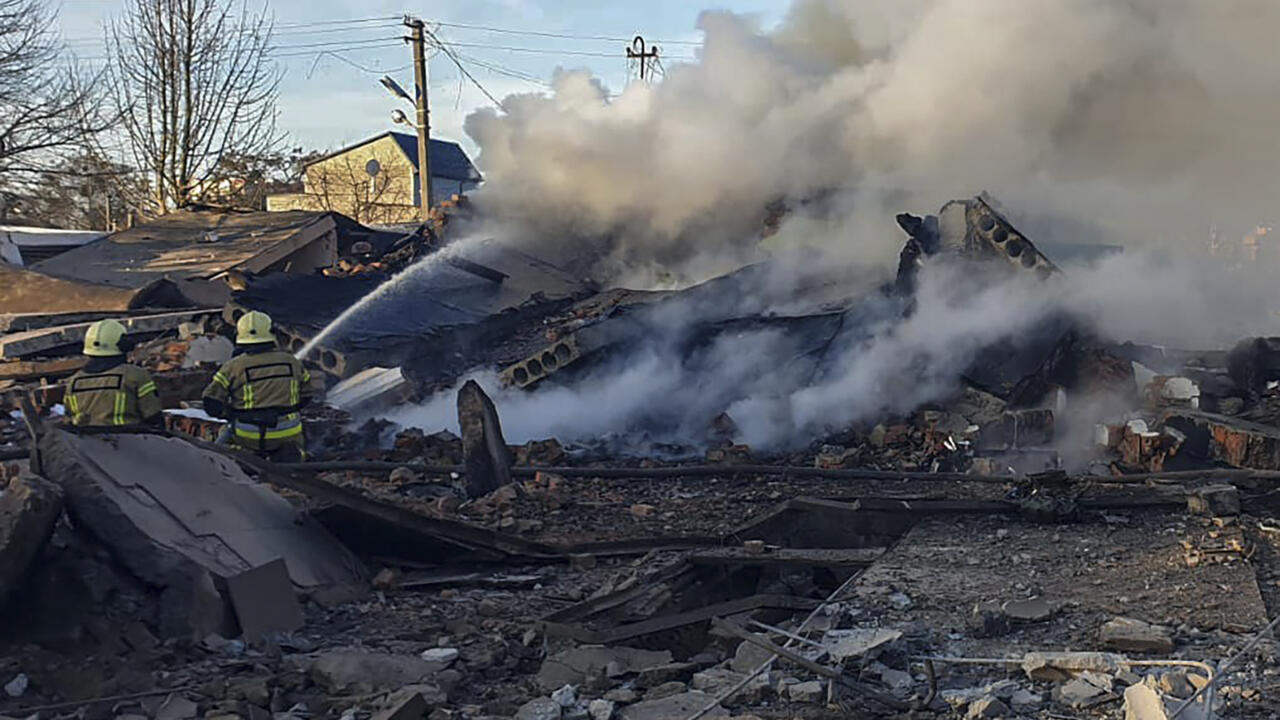
Back to square one for Europe
“We are back to square one,” another high-ranking European official said, recalling fears at the start of the year that Trump would force Kyiv to accept Russia’s terms or risk losing US military support.
Europe’s attempt to slow or block the US–Russia initiative is complicated by logistics. The leaders of France, Germany, Italy and the United Kingdom are all travelling to South Africa for the G20 summit this weekend, reducing the time and space for coordinated diplomacy.
German chancellor Friedrich Merz, French president Emmanuel Macron and UK prime minister Keir Starmer were due to hold a video call on Friday to discuss the plan, while officials said an emergency in-person meeting of European leaders already in Johannesburg is also being prepared.
Antonio Costa, president of the European Council, has underlined that the EU has not been “formally informed” of any peace proposal.
The US embassy in Kyiv has invited European envoys in the Ukrainian capital for a briefing on the plan, in the presence of US Army Secretary Daniel Driscoll, who presented the proposal to Zelensky in person on Thursday.
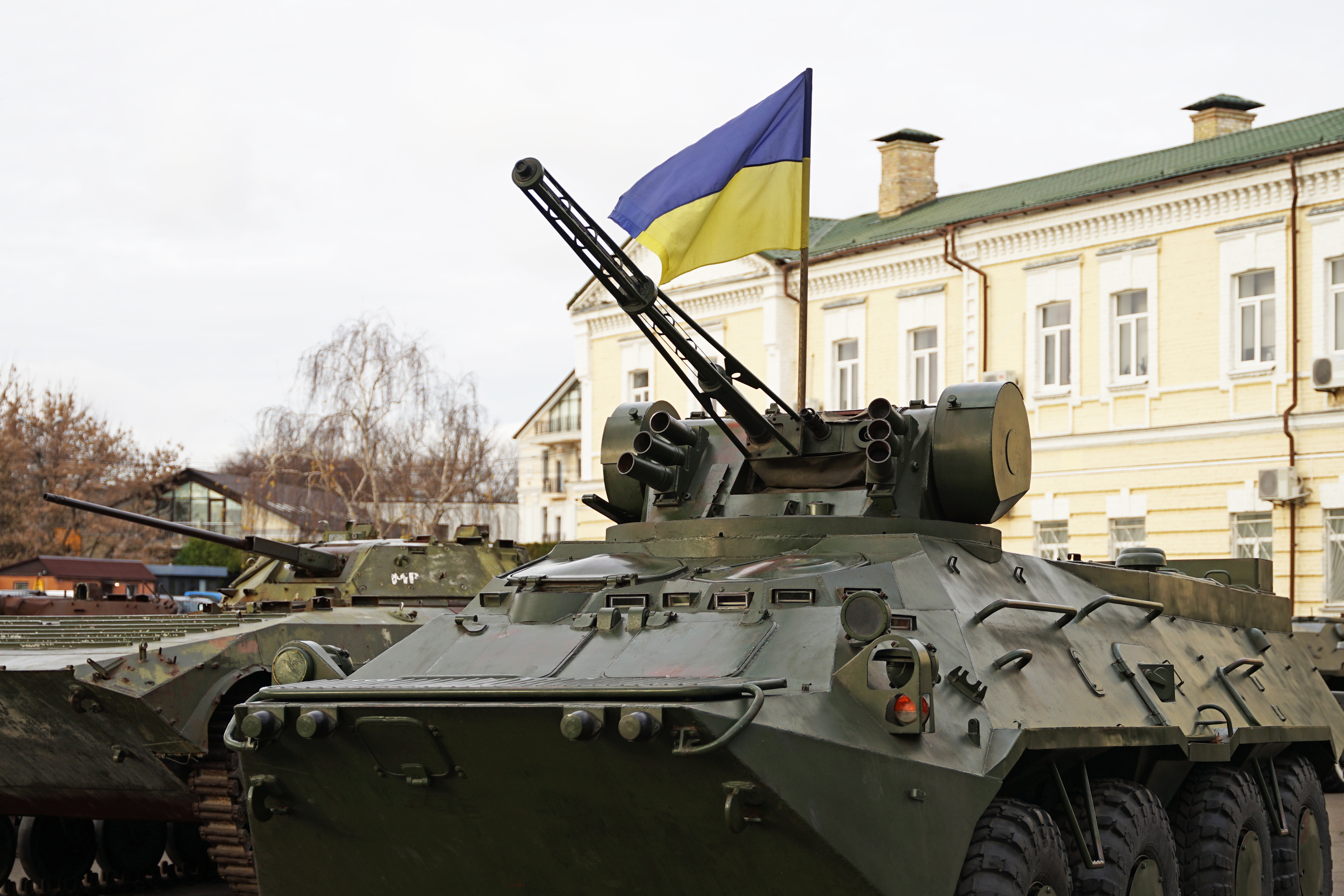
EU accused of being too relaxed with Trump
The confusion has revived earlier complaints that the Trump administration tabled ideas on Ukraine without consulting or even informing key European partners.
“Europeans have shown an impressive laxity in the way they handled their relationship with the Trump administration,” said Mujtaba Rahman, managing director at Eurasia Group. “This latest plan is a reminder that there are very strong forces within the administration that continue to prioritise Russia over transatlantic relations.”
Another senior European diplomat argued that the priority now is “to remain calm and push for a more reasonable outcome”.
European Commission president Ursula von der Leyen said on Friday that she would discuss the situation with EU leaders and other counterparts on the margins of the G20. She repeated the EU’s longstanding line on Ukraine diplomacy: “Nothing about Ukraine without Ukraine.”
What worries the EU in the US plan
Beyond the requirement that Ukraine give up territory it currently holds, European officials are particularly alarmed by provisions that would bar any NATO forces from being stationed in Ukraine and by a proposal to use 100 billion dollars of frozen Russian state assets for reconstruction projects that would generate profits for US entities.
European defence stocks, which had surged this year on the back of higher defence spending across the continent, fell sharply on Friday morning. Oil prices also slipped, with Brent crude down 1.2 per cent to 62.64 dollars a barrel, reflecting expectations of a potential de-escalation if a ceasefire takes shape.
Rustem Umerov, secretary of Ukraine’s National Security and Defence Council, moved to deny reports that he had already agreed to parts of the proposal or secured changes to clauses that would place tighter controls on international aid to Kyiv.
“We are carefully studying all proposals from partners, expecting the same respectful attitude towards Ukraine’s position,” he said, stressing that Kyiv evaluates such plans according to its non-negotiable principles of sovereignty, the security of its people and a just peace.
Kremlin says Kyiv must negotiate “now”
Meanwhile, the Kremlin has raised the pressure on Kyiv, declaring that Ukraine must begin talks to end the war “now” or risk losing even more territory.
“The effective actions of the Russian armed forces should convince Zelensky that it is better to negotiate now rather than later,” Kremlin spokesman Dmitry Peskov said, arguing that Ukraine’s “room for manoeuvre” is shrinking as it loses ground to Russian advances.
In a twist, Peskov also claimed that Moscow has not officially received the US plan, even as Russian officials publicly push the narrative that time is working against Kyiv.
For Europe, the episode is a sharp reminder of how limited its leverage can be when Washington and Moscow move first, leaving EU leaders reacting from the sidelines while the future of Ukraine is debated elsewhere.
Sources: Axios, AP News, Reuters