
Syria has announced a 15-day extension of the ceasefire between the Syrian government and Kurdish forces, following the expiry of the initial four-day truce late on Saturday.
In a statement, the Syrian Ministry of Defence said the extension takes effect from 11.00 pm on Saturday local time, 10.00 pm Cyprus time, three hours after the original ceasefire formally ended. The truce was first announced last Tuesday.
According to the ministry, the purpose of the extension is to facilitate a United States operation to transfer detained members of the Islamic State from Kurdish-run prisons in northeastern Syria to Iraq.
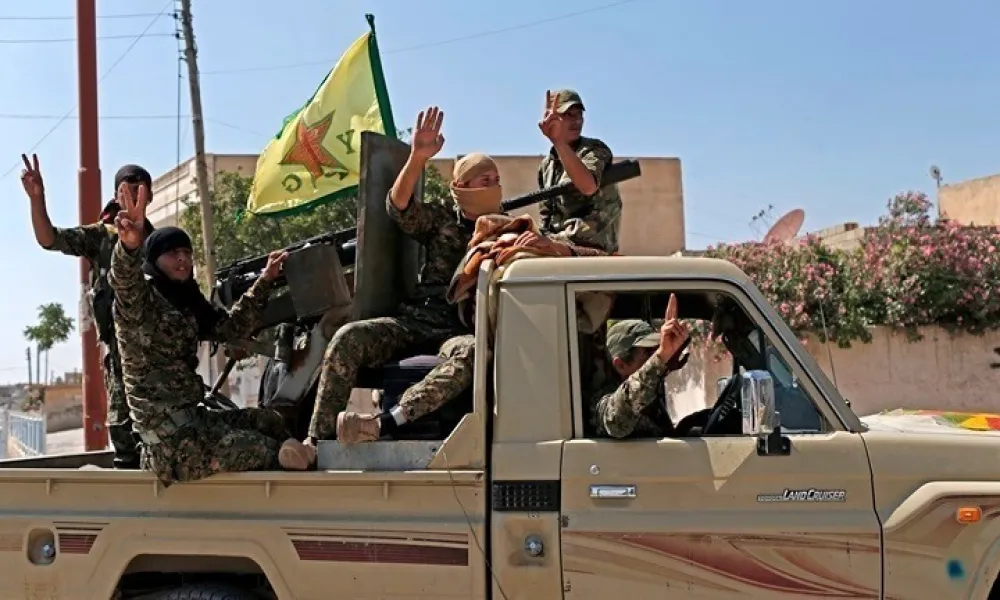
The detainees are held in facilities controlled by Kurdish-led forces in Syria’s northeast, an area that has long been a focal point of international concern due to the large number of captured Islamic State fighters and their families. Kurdish authorities have repeatedly warned that the prisons and camps are overstretched and vulnerable, calling for international assistance or repatriation of detainees.
The United States, which maintains a military presence in parts of eastern Syria, has previously supported efforts to manage and relocate Islamic State prisoners, citing security risks and the potential for prison breaks or renewed militant activity. Washington has argued that transferring some detainees to Iraq could ease pressure on Kurdish forces and improve overall security in the region.
The ceasefire extension comes against a backdrop of fragile arrangements between Damascus and Kurdish forces, whose relationship has fluctuated between confrontation and tactical cooperation since the outbreak of the Syrian conflict. While Kurdish-led groups control large areas of northeastern Syria, the central government has sought to reassert authority, often through negotiations backed by military pressure.
Regional analysts note that such temporary ceasefires are typically limited in scope and purpose, tied to specific operational needs rather than signalling a broader political settlement. The situation on the ground remains volatile, with multiple international and regional actors involved and the long-term status of Kurdish-held areas still unresolved.
Sources: CNA, Reuters