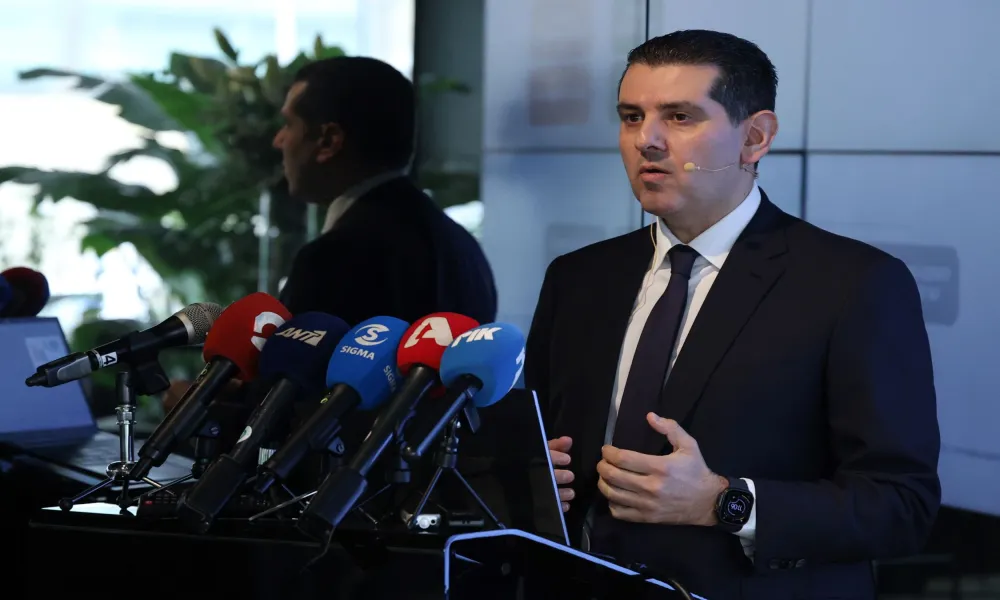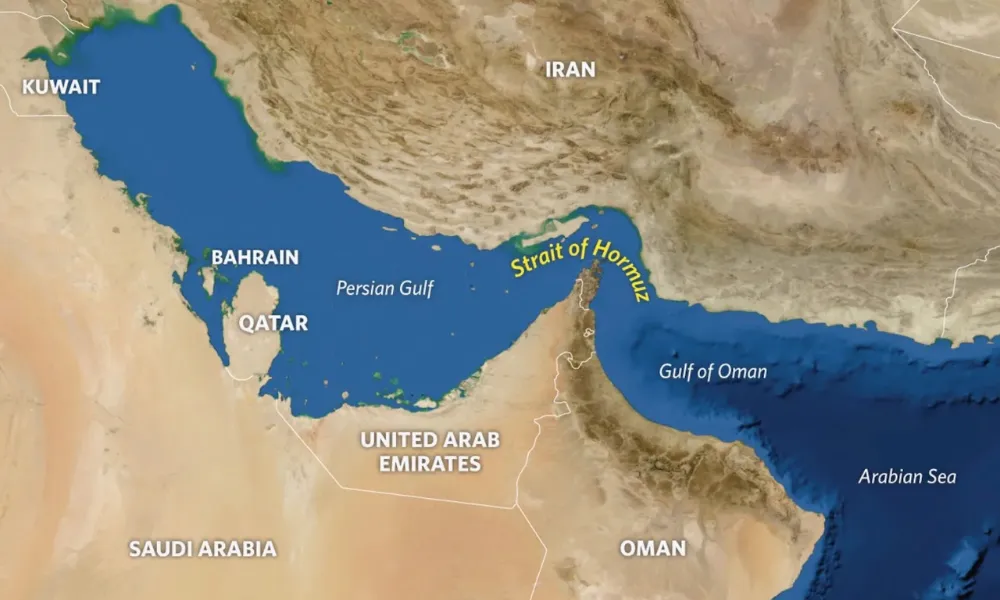

Iran’s deputy foreign minister, Saeed Khatibzadeh, said the United States cannot impose a “siege” on the country via the Strait of Hormuz, after Tehran confirmed it had once again closed the vital shipping lane in response to a US blockade.
“The Americans cannot impose their will to besiege Iran while it is acting in good faith to facilitate safe passage through the Strait of Hormuz,” Khatibzadeh told reporters at a diplomatic forum in Antalya.
He also criticised Donald Trump in pointed terms after the US president suggested he might not extend a ceasefire with Iran beyond Wednesday. “The American side tweets and talks a lot. In some cases, it is confusing and contradictory,” Khatibzadeh said.
No date has been set for a second round of talks between Washington and Tehran following failed negotiations in Pakistan last weekend. “We cannot set a date while our views on the framework are not being heard,” he said, adding that Iran would avoid negotiations “doomed to fail” or that could be used as a pretext for further escalation.
Iran tightens control of Strait
Iran’s central military command said it would resume “strict management” of the Strait of Hormuz, reversing an earlier decision to reopen it on Friday. More than 12 ships transited the strait during the brief reopening.
State television, citing a military statement, said the waterway had returned to full control by Iran’s armed forces. The military accused Washington of breaking a commitment by continuing its naval blockade of vessels travelling to and from Iranian ports.
“The situation in the Strait of Hormuz will remain strictly controlled” until the United States restores freedom of navigation for ships visiting Iran, the statement said.
Reports of attacks and disruption to shipping
The UK Maritime Trade Operations (UKMTO) agency reported that vessels had come under fire near the Strait. In one incident, a tanker was targeted by two IRGC-linked gunboats about 20 nautical miles northeast of Oman. The crew was reported safe.
Shipping data indicated wider disruption. Several vessels changed course after Iran’s announcement, while analytics firm Kpler said at least eight tankers and LNG carriers had passed through before controls were tightened again.
Five LNG carriers from Qatar were also reported approaching the Strait, potentially marking the first such transit since the outbreak of hostilities on 28 February.
Ceasefire strained as US blockade continues
The renewed restrictions come amid a fragile ceasefire and ongoing tensions between Washington and Tehran.
Trump said the US blockade of Iranian shipping would remain “fully in force” until negotiations conclude, and would continue if no agreement is reached. US Central Command said 23 vessels had already complied with US instructions to turn back.
Littoral combat ship USS Canberra (LCS 30) patrols the Arabian Sea during the U.S. blockade. Since commencement of the blockade, 23 ships have complied with direction from U.S. forces to turn around. American forces are enforcing a maritime blockade against ships entering or… pic.twitter.com/PMIBOoeJXS
— U.S. Central Command (@CENTCOM) April 18, 2026
Sources: CNA, AFP