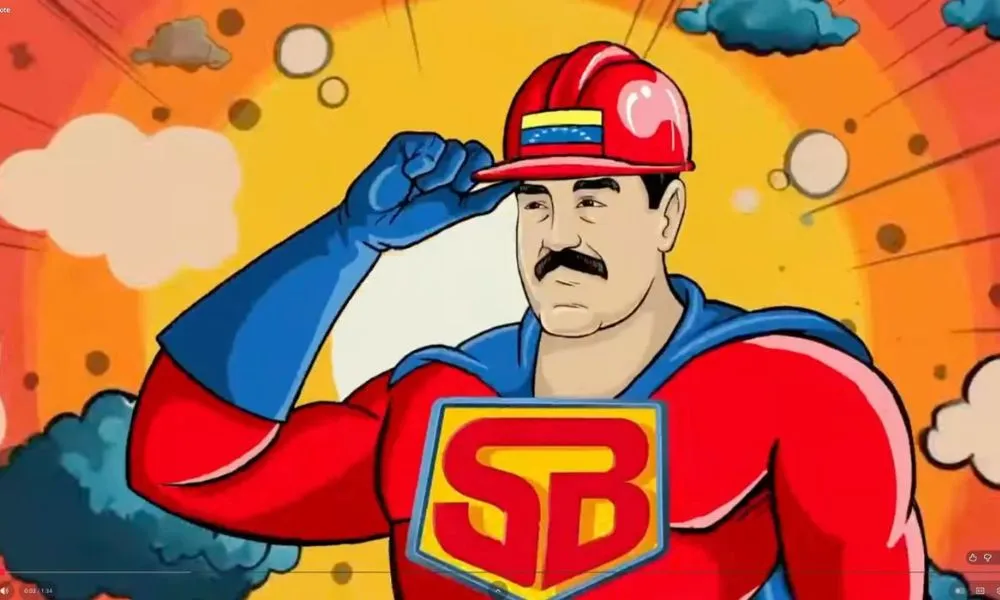
Relations between the United States and Venezuela have been strained for years, but the latest military confrontation marks an unprecedented turning point. What began as ideological hostility gradually evolved into sanctions, diplomatic isolation, economic warfare and, ultimately, direct military action. Below is a chronological outline of how the crisis unfolded.
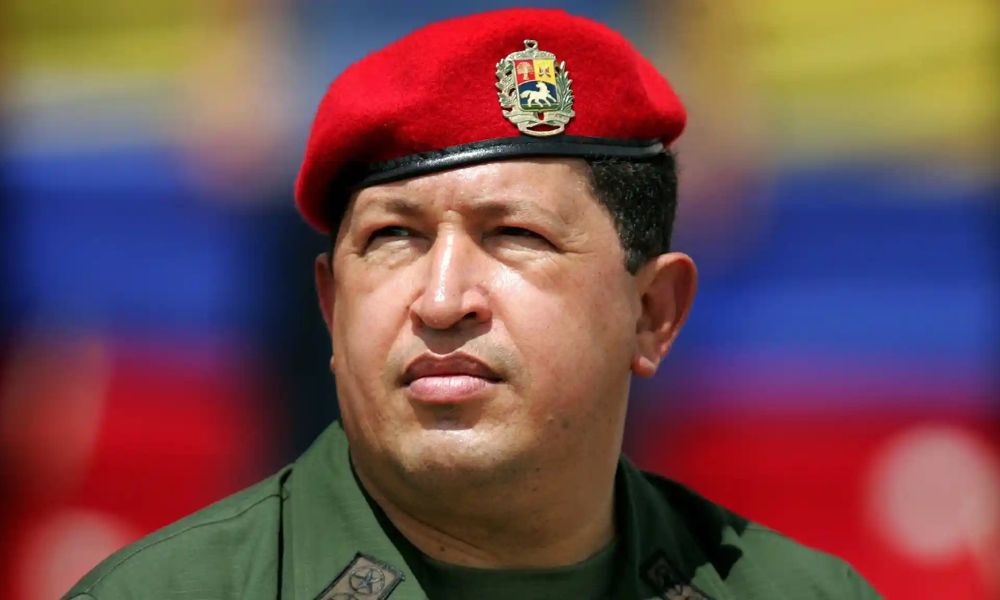
The Chávez years and the first rupture
Tensions began to surface after Hugo Chavez consolidated power in the early 2000s, positioning Venezuela as a vocal opponent of US influence in Latin America. By 2006, Washington had imposed its first major sanctions, banning arms sales and military cooperation. The relationship continued to erode, and by 2010 both countries had withdrawn ambassadors, signalling a near-total diplomatic freeze.
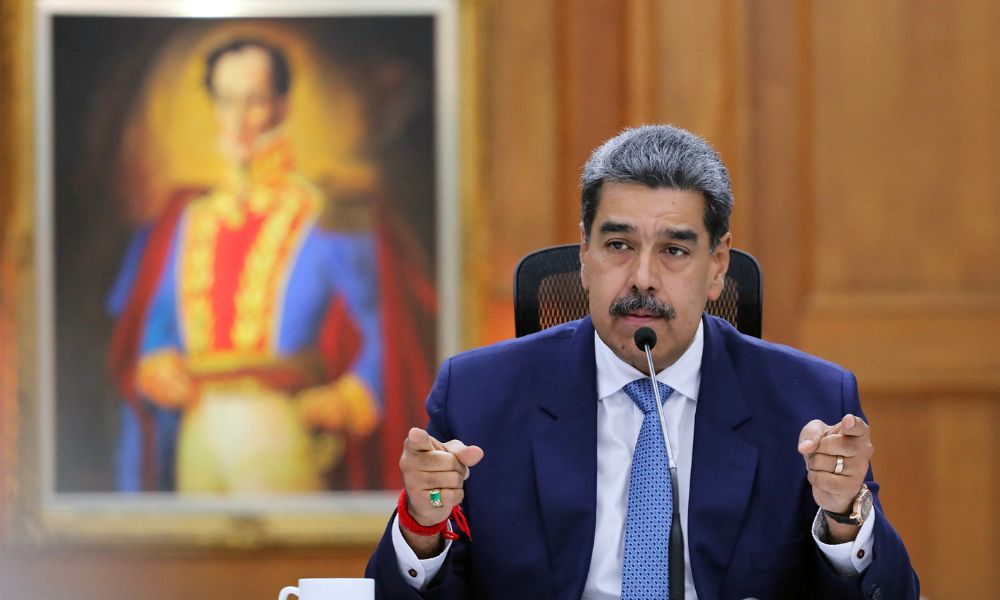
Maduro takes over, pressure intensifies
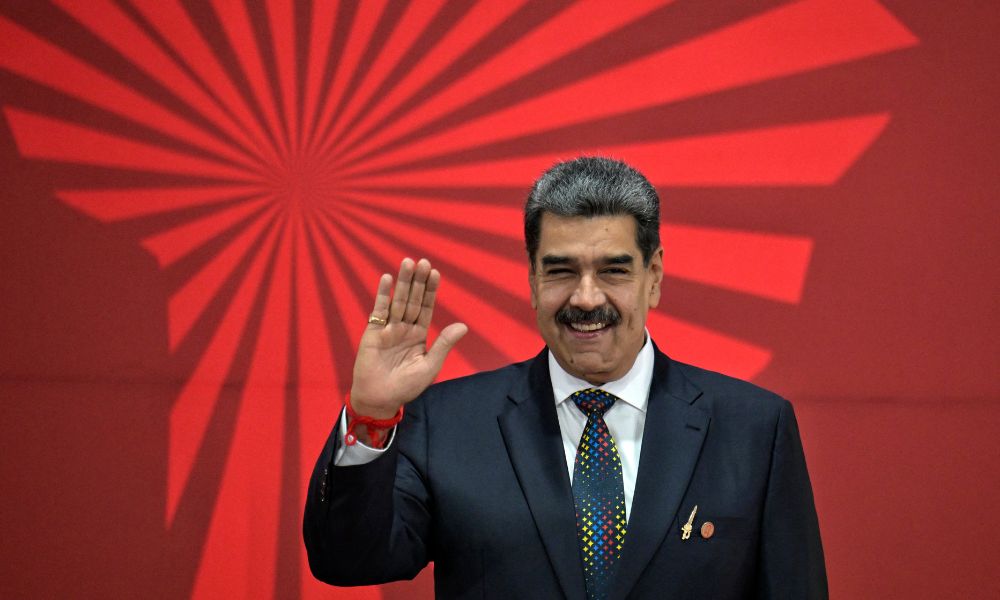
Following Chávez’s death in 2013, Nicolas Maduro inherited both power and international suspicion. Violent crackdowns on anti-government protests prompted the US, under President Barack Obama, to impose targeted sanctions on senior Venezuelan officials in 2014 and 2015. These measures included asset freezes and visa bans, justified by allegations of human rights abuses.
Financial sanctions and talk of force
The situation escalated sharply after Donald Trump took office in 2017. His administration expanded sanctions to include Venezuela’s financial system and key institutions, arguing that Maduro had undermined democratic governance. That same year, Trump publicly raised the possibility of military intervention, a remark that marked a clear departure from previous US rhetoric.
A disputed election and diplomatic collapse
In 2019, Maduro’s re-election was rejected by Washington and many of its allies, who questioned its legitimacy. The US responded by tightening economic sanctions and recognising opposition figure Juan Guaido as interim president. Caracas cut diplomatic ties with the US, while sanctions expanded to cover the state oil company PDVSA and the central bank. Guaidó’s parallel government would later dissolve in 2023.
Oil as leverage
Oil quickly became central to the standoff. An embargo imposed in 2019 froze Venezuelan government assets held in the US. While some restrictions were temporarily eased in 2023 amid global energy disruptions, they were later reinstated after Washington accused Caracas of failing to guarantee fair electoral conditions. Limited licences were granted to foreign firms, including Chevron, under strict conditions preventing direct payments to the Venezuelan state.
Criminal charges and military build-up
In 2020, the US charged Maduro and senior officials with narco-terrorism, offering a multi-million-dollar reward for information leading to his arrest. That bounty was increased in 2025. The same year, Washington significantly expanded its military presence in the Caribbean, launching airstrikes against vessels it claimed were involved in drug trafficking linked to Venezuela. Caracas dismissed the accusations and accused the US of provocation and piracy.
Airstrikes and a dramatic climax
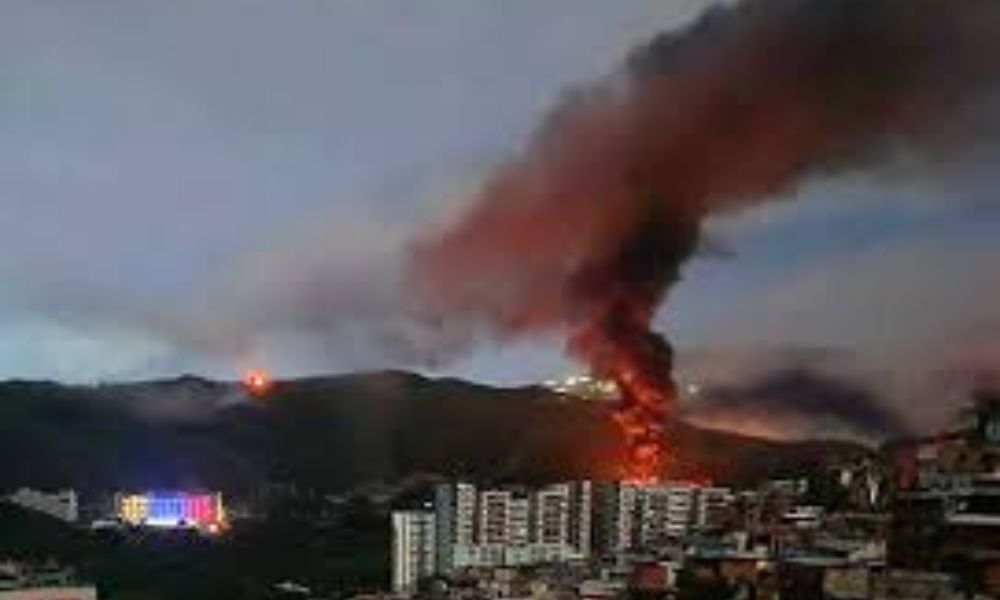
The crisis reached its most volatile stage at the end of 2025 and start of 2026. After a series of strikes on coastal targets, the US launched air operations in and around Caracas. On January 3, President Trump announced that US forces had captured Maduro and his wife and removed them from the country. Venezuelan authorities condemned the operation as a grave act of aggression and demanded an emergency meeting of the UN Security Council.
An open-ended crisis
The events mark the most serious escalation in US–Venezuela relations in modern history. With diplomacy sidelined and military force now a reality, the long-running confrontation has entered uncharted territory, raising questions about regional stability, international law and the limits of foreign intervention.