
Monday’s trilateral may have come up short of expectations, but the agreements reached have left plenty of work for those tasked with intercommunal cooperation.
Implementation of the confidence-building measures agreed by the two leaders will be in the hands of five bicommunal Technical Committees.
According to CNA, the Cultural Heritage Committee will meet next Monday to discuss the sharing of archival material in a digital format – including from the British colonial era, newspaper archives, etc. The Committee will also proceed with restoration work on Maronite churches and an Armenian monastery.
Environment Committee co-chair Michalis Loizides told CNA that the committee will address climate change issues and emergency action plans, the latter in coordination with other bicommunal committees.
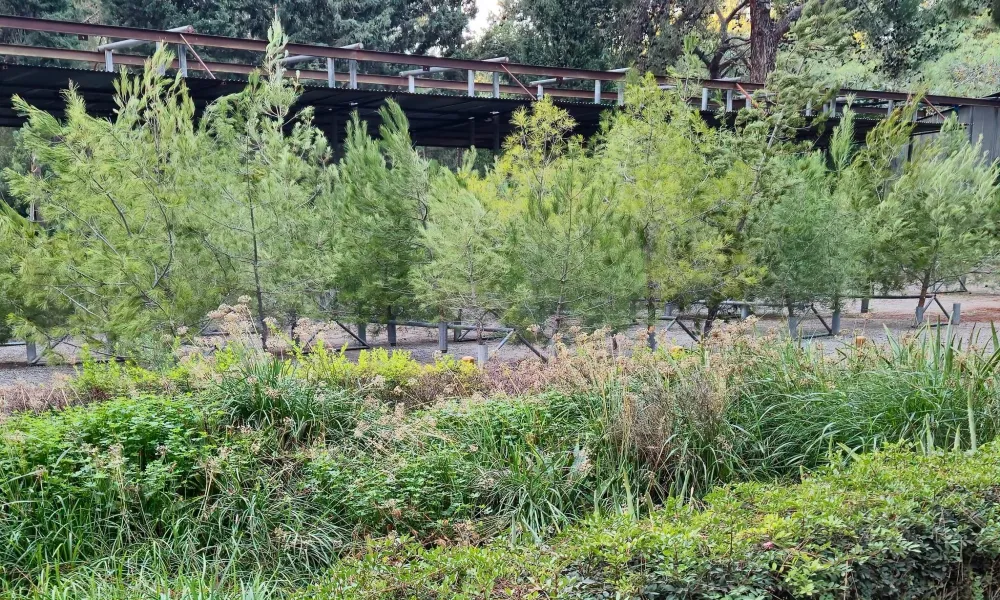
On climate change, Loizides said one task will be to map out the ‘hot spots’ or problem areas around the island, identifying vulnerable areas and the problems they face due to desertification, lack of vegetation, trees, biomass, etc. The map, providing a comprehensive picture of the island’s ecosystem, will be given to the UN and available to both sides.

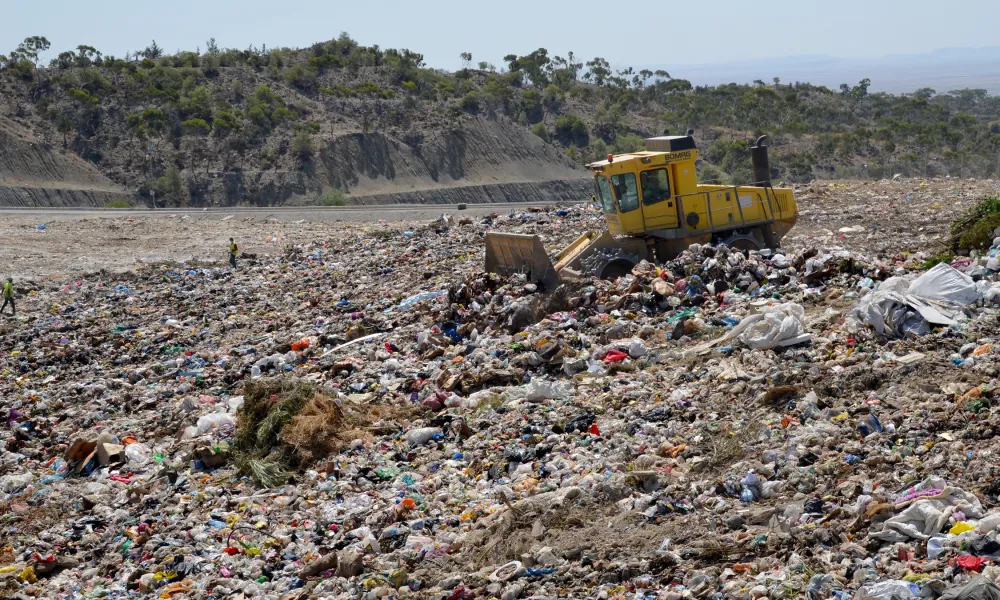
A similar approach will apply to air pollution. While both sides have their own measurement stations, they do not have a comprehensive picture of the island, including industrial pollutants, pollutants from factory fires or landfills. A monitoring process will be initiated, providing accessible data on air quality while actions that should be taken on both sides will be agreed in advance.
Regarding microplastics, the committee will map plastic pollution on land and sea and carry out pilot actions to alleviate the problem, Loizides said. Microplastics are collected in waste treatment plants and end up in fields. However, sludge with microplastics need to be properly managed and disposed of based on EU practices. This can then be used to produce energy, instead of pollution, he noted.
Scientifically based emergency plans, meanwhile, can address issues such as oil spills, foot-and-mouth diseases, floods, fires, and diseases of plants, animals or humans, added Loizides.
The Education Committee will oversee the resumption of the highly successful peace education programme Imagine, after the Turkish Cypriot side pulled out in 2022. Imagine’s organisers say more than 9,500 students have taken part in the bicommunal programme since 2017, adding they are ready to start it tomorrow.
The Crisis Management will have the more sensitive task of creating a mechanism for rapid responses to emergencies. To date, collaboration on emergencies or disasters has proved complex and politically loaded, hence the examples are few and far between. The sides could decide to set up a ‘go-to’ team in case of emergencies, providing clarity on where to address concerns and requests.
And finally, the Crossing Points Committee is due to meet next week to define the work required to arrange the simultaneous opening of two new crossings at Louroudjina-Lympia and Kampos-Karavostasi. On-site visits will be undertaken to assess what’s needed to build a new road, particularly for the Kampos area.