
Almost everyone has experienced it: a pleasant walk interrupted by an unfortunate step into dog mess. Beyond the obvious inconvenience and unpleasant smell, however, abandoned dog waste poses a range of less visible problems.
Despite increasing awareness campaigns and fines for irresponsible owners, dog faeces remain a common sight in parks, green spaces, pavements and residential neighbourhoods. The situation may have worsened in recent years, with dog ownership rising significantly during and after the pandemic.
More than just an eyesore
Dog faeces can contain a variety of microorganisms capable of causing illness in humans, including Salmonella, E. coli, Giardia and several internal parasites.
Research has also identified dog waste as a potential source of antibiotic-resistant bacteria, raising concerns that contact with contaminated faeces could contribute to hard-to-treat infections.
Environmental impacts are equally concerning. Studies in Australia have identified dog faeces washed into stormwater systems as a significant contributor to water pollution, particularly in urban waterways and coastal areas.
Where the problem is worst
Researchers who have examined dog fouling patterns found that waste is most commonly left behind in:
- Off-leash dog parks
- Areas close to car parks
- Popular dog-walking routes
- Locations with limited access to bins
A UK study found that factors such as bin availability, visibility and path design influence how often dog owners dispose of waste properly.
While most owners clean up after their pets, researchers identified several groups who are less likely to do so. Some believe certain locations are acceptable places to leave waste, while others remain indifferent even when aware of the environmental and health consequences.
The myths about keeping dogs away
Many homeowners still place bottles of water along garden edges or nature strips in the hope of discouraging dogs from relieving themselves nearby.
There is, however, no scientific evidence showing that this method works.
Commercial dog deterrents are also widely available, but research on their effectiveness remains limited.
Strong scents are often suggested as a repellent, yet there is little evidence that they consistently prevent dogs from stopping in a particular location. In practice, such methods usually require frequent reapplication and may have unintended effects on urban wildlife.
Education appears to work best
Researchers suggest that practical measures remain the most effective way to reduce dog fouling.
These include:
- Providing adequate waste bins along walking routes
- Making disposal bags easily available
- Enforcing leash regulations where appropriate
- Improving public awareness campaigns
Studies indicate that messages appealing to community responsibility and neighbourly behaviour are often more effective than simply emphasising penalties.
People tend to respond positively when reminded that responsible pet owners clean up after their dogs because it benefits the wider community.
What should dog owners do?
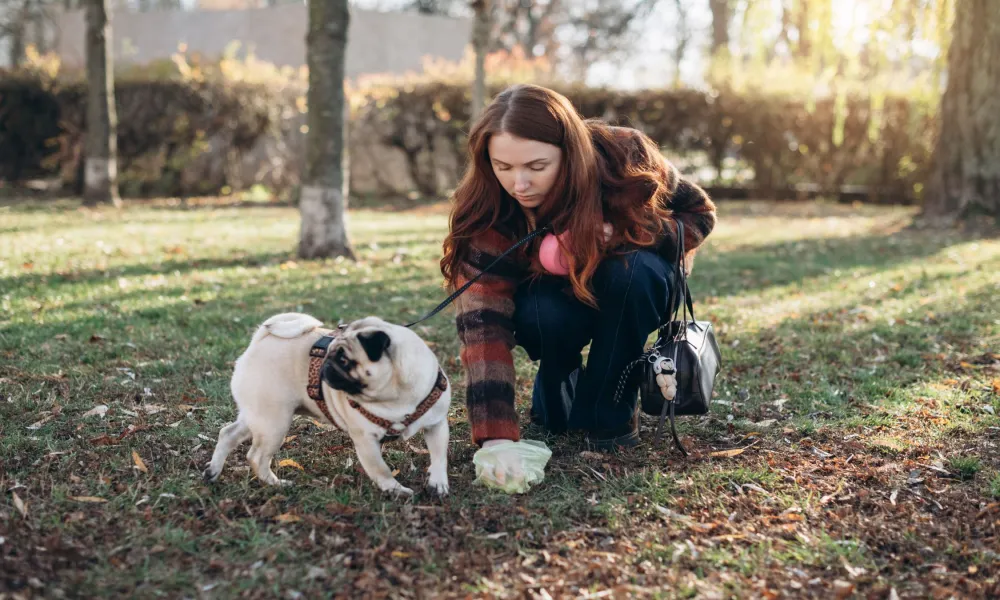
Experts say the simplest solution remains the best one: pick it up, bag it and dispose of it in a bin.
Home composting is generally not recommended because most domestic compost systems do not reach temperatures high enough to destroy harmful pathogens. Burying dog waste in the garden is also discouraged, as microorganisms can persist and build up in the soil.
The evidence is clear: leaving dog waste behind is not just unpleasant. It can affect public health, local waterways and environmental quality, making responsible disposal an important part of pet ownership.
Source: The Conversation.