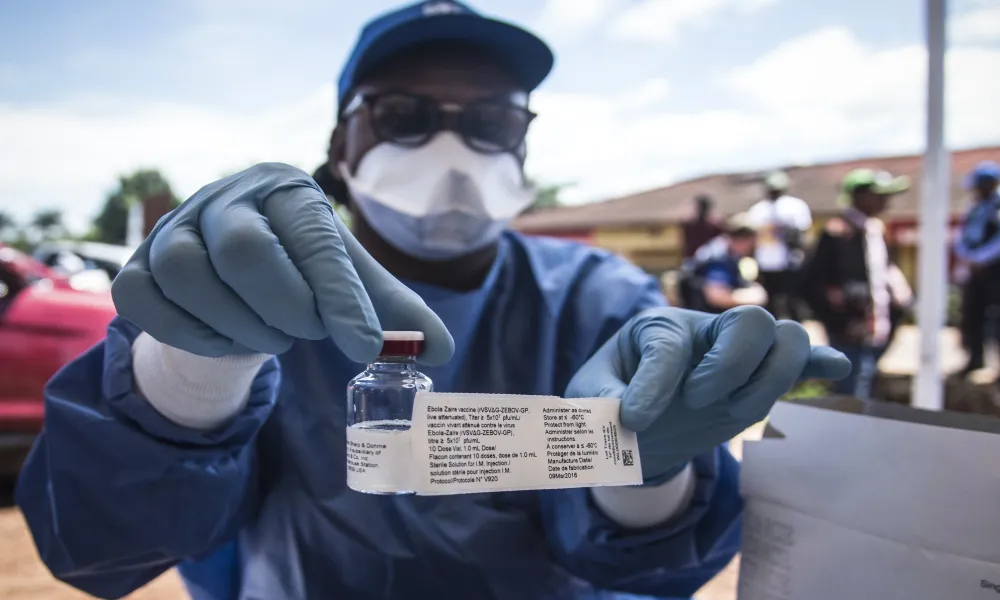

The World Health Organization (WHO) has declared the escalating Ebola outbreak in the Democratic Republic of Congo and Uganda a Public Health Emergency of International Concern. WHO Director-General Tedros Adhanom Ghebreyesus activated the agency's highest level of global health alert on Sunday, following a sharp rise in casualties. However, health officials clarified that the situation does not currently meet the criteria for a global pandemic comparable to Covid-19.
In an official advisory published on the social media platform X, the global health body explicitly stated that it does not recommend the closure of international borders or any restrictions on travel and trade.
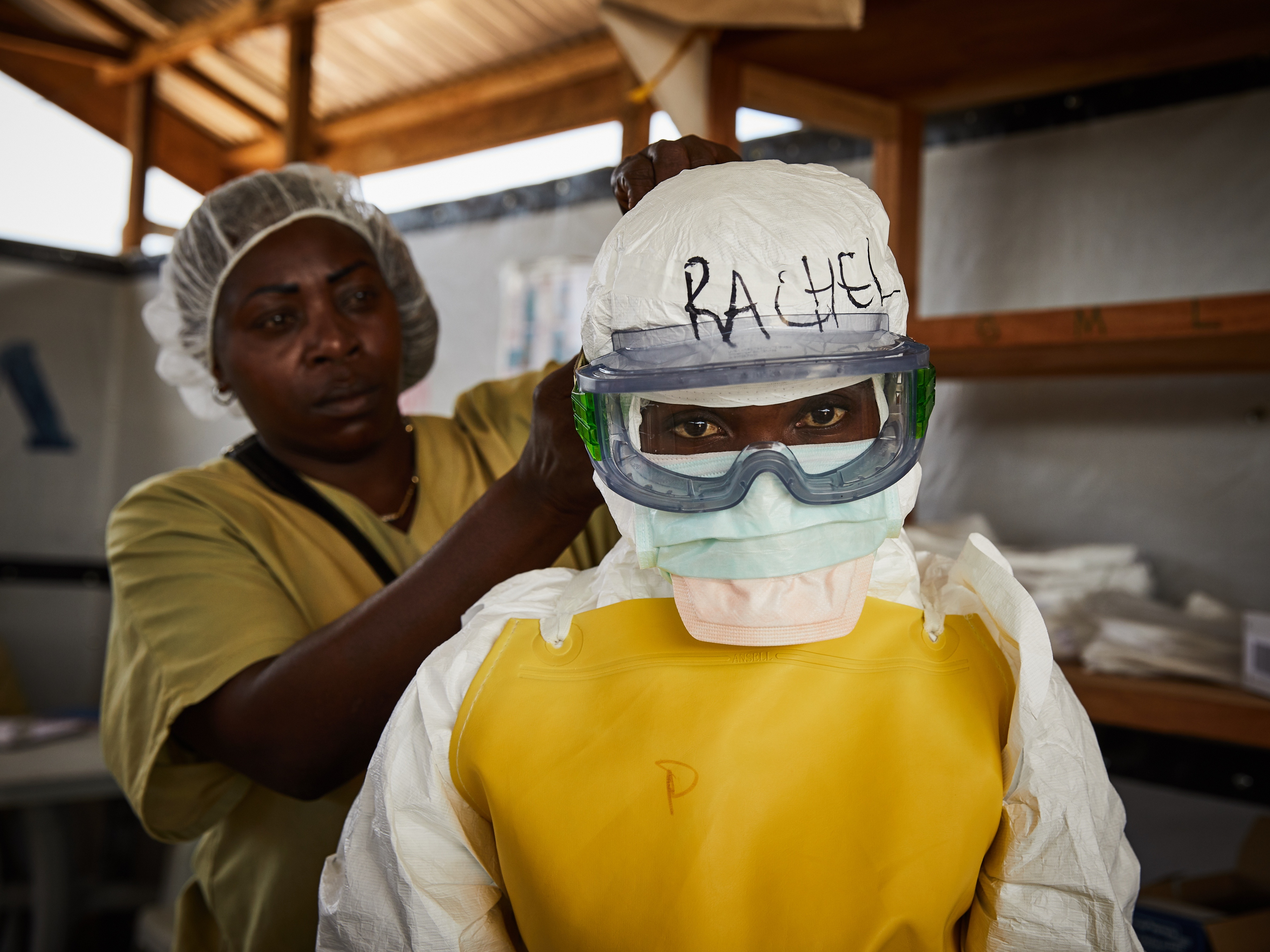
The rare Bundibugyo strain and regional spread
Medical authorities confirmed that the current crisis is driven by the Bundibugyo virus, a rare variant of the Ebola virus for which there are currently no approved vaccines or therapeutic treatments. Although Central Africa has recorded more than 20 distinct Ebola outbreaks over recent decades, this development marks only the third time this specific strain has been identified in human populations.
The geographical spread was initially detected in the Ituri province of eastern Democratic Republic of Congo, positioned near the borders of Uganda and South Sudan. The Africa Centres for Disease Control and Prevention (Africa CDC) subsequently reported 336 suspected cases and 87 deaths linked to the zone.
According to WHO data, the vast majority of cases remain confined to the Democratic Republic of Congo. The only exceptions are two imported cases identified in the Ugandan capital of Kampala. Ugandan health authorities announced that a patient who had recently travelled across the border from the Democratic Republic of Congo died in a Kampala hospital, while the WHO confirmed a second positive case in the city. Epidemiologists noted that the two patients do not appear to be epidemiologically linked, despite both originating their travel from the same neighboring territory.
Historical context and viral transmission
The Bundibugyo variant was first isolated during the 2007–2008 outbreak in the Bundibugyo district of western Uganda, an event that infected 149 people and resulted in 37 fatalities. The second known emergence occurred in 2012 in the city of Isiro, located in the Democratic Republic of Congo, where authorities recorded 57 cases and 29 deaths.
Ebola virus disease is transmitted to humans through direct contact with the bodily fluids of infected individuals. The pathogen causes severe internal and external hemorrhaging alongside acute multi-organ failure. Early clinical symptoms include the sudden onset of fever, intense muscle pain, physical fatigue, severe headaches, and a sore throat. There is currently no definitive cure for the disease.
Preliminary laboratory analyses conducted at the Institut National de Recherche Biomédicale (INRB) in the Congolese capital of Kinshasa successfully detected the virus in 13 out of 20 initial clinical samples. The testing was carried out in direct coordination with the national Ministry of Health and the National Institute of Public Health. The Africa CDC confirmed that out of the verified deaths, four have been conclusively linked to laboratory-confirmed cases. Additional suspected infections in the Ituri province are currently awaiting definitive laboratory confirmation, and the Congolese government is expected to issue a formal national epidemic declaration shortly.