
The climate crisis must no longer be treated as a distant environmental challenge but as an immediate national security threat affecting health, food, water, energy, and sovereign stability. This is the central conclusion of a comprehensive report delivered to governments on Sunday by a specialized World Health Organization (WHO) panel, which presents 17 targeted recommendations for global action. Among the core proposals is an explicit demand for heads of government to integrate climate change directly into the statutory agendas of their national security councils.
A coalition of European leaders
The Pan-European Commission on Climate and Health issued its formal Call to Action on Sunday. The high-level body is chaired by the former Prime Minister of Iceland, Katrín Jakobsdóttir, and was officially convened by the WHO Regional Director for Europe, Dr Hans Henri P. Kluge. The strategic initiative successfully brought together 13 former heads of government, international institutional representatives, cabinet ministers, and prominent civil society leaders spanning the 53 member states of the WHO European Region.
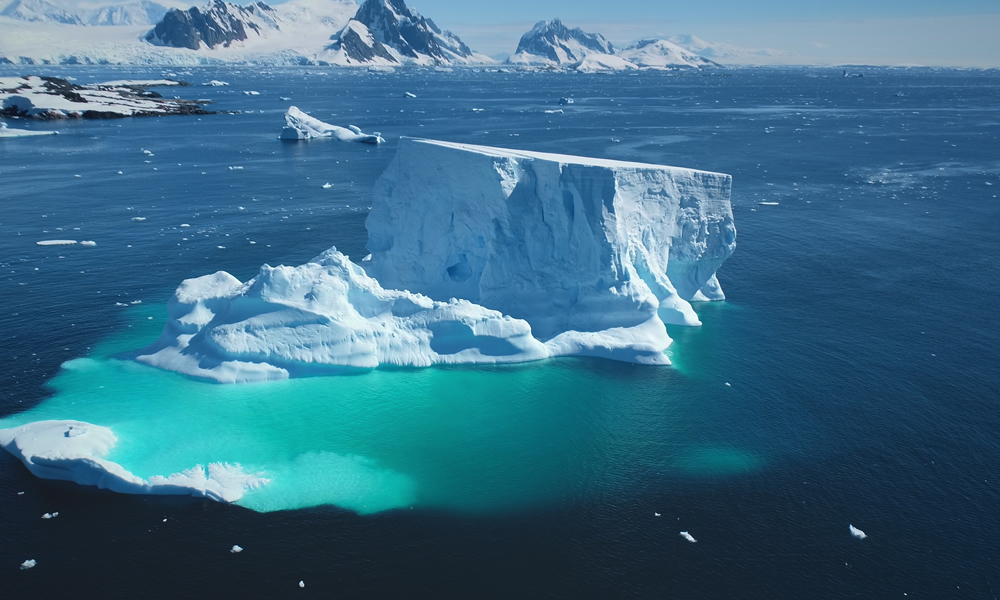
The panel's message to state leaders is that contemporary governmental responses fail to match the sheer velocity and scale of the unfolding climate crisis. The 17 recommendations target four vital structural sectors: addressing climate change as an active threat to global health security, transforming national healthcare systems, accelerating localized climate action, and reforming the economic and financial structures that continuously incentivize carbon-intensive practices.
Climate change as a primary security risk
At the core of the roadmap is a direct challenge to sovereign states and the United Nations. The commission warns that current regulatory rules, public funding streams, and political priorities are moving in the wrong direction, while the window for gradual policy adjustments has been exhausted. The proposals serve as an operational framework for governments willing to shift public capital away from subsidies that accelerate environmental degradation toward proactive preventative actions.
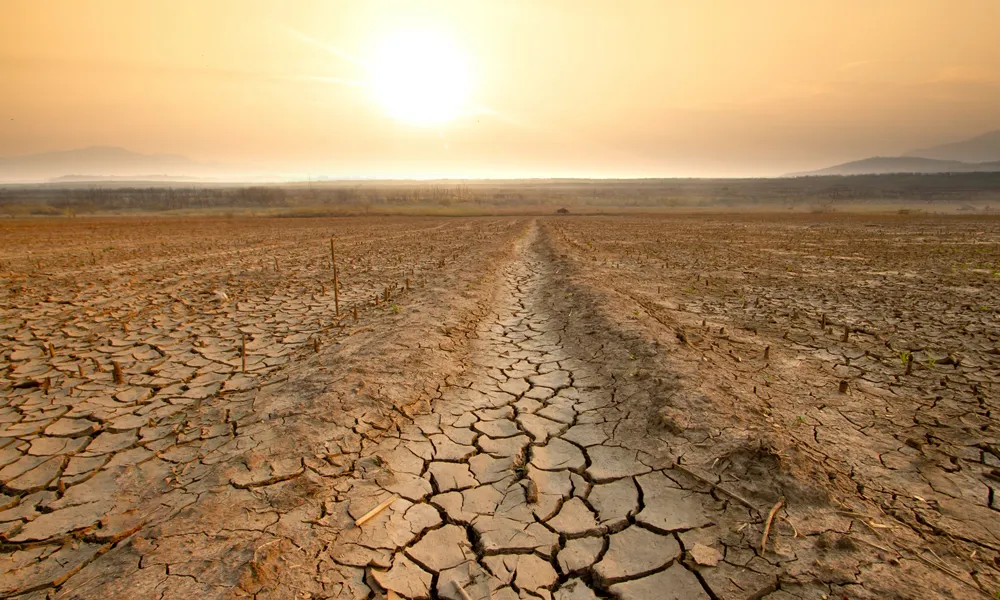
The commission specifically urges heads of state to elevate climate change and public health to national security councils, requiring the active participation of ministries of defense, energy, and finance. As European governments increasingly redirect public spending toward conventional defense infrastructure in response to intensifying geopolitical pressures, the report argues that climate change represents an equivalent primary security risk. The phenomenon is already disrupting critical infrastructure, overwhelming healthcare networks, and destabilizing food and water security across the continent, with economic costs set to compound with every year of legislative delay.
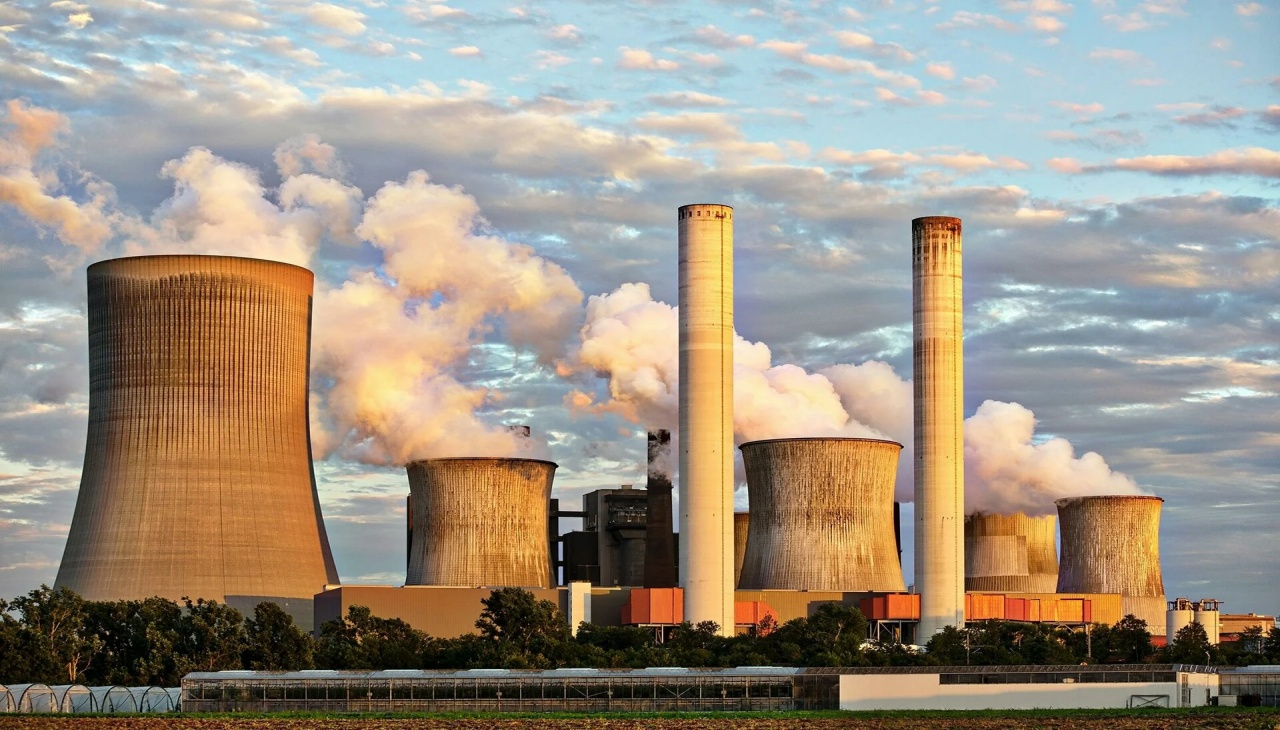
Air pollution generated by the combustion of fossil fuels accounts for hundreds of thousands of premature deaths across the European region annually. The same dependencies that drive the climate and public health crises render national energy networks highly vulnerable to supply chain disruptions and volatile price spikes, with the heaviest economic burden falling upon low-income citizens. The panel emphasizes that accelerating the transition toward clean, renewable energy and enhanced energy efficiency is an economic and national security imperative rather than a purely environmental goal.
Calls for a global emergency declaration
The commission has formally requested that the WHO officially declare climate change a Public Health Emergency of International Concern. The report notes that existing international health regulations have failed to adapt to the scale of the threat, and the absence of a formal emergency designation has allowed states to manage climate change as a chronic, low-priority issue rather than an acute, escalating danger.
To enhance the institutional resilience of healthcare systems while lowering carbon emissions, the panel recommends:
- Introducing mandatory climate change training for all healthcare professionals.
- Integrating psychological and mental health support directly into national climate adaptation plans.
- Embedding key climate vulnerability indicators into the standardized performance metrics of national health services.
- Establishing standardized, climate-friendly procurement regulations across the European region to force supply chains to decarbonize.
Reforming economic indicators
Furthermore, the commission advises governments to fundamentally review how they calculate national economic growth. Current Gross Domestic Product (GDP) models record the consumption of fossil fuels as positive economic output, completely failing to account for the financial burden of air pollution on public health, the structural damage caused by extreme weather disasters, or the long-term well-being of future generations.
Consequently, the report calls for the international community to implement alternative metrics centered on health equity, social well-being, and environmental sustainability. It also directs the WHO to strengthen climate coordination mechanisms across the entire United Nations framework. The recommendations are backed by a comprehensive Progress Indicator Dashboard, establishing specific accountability mechanisms to track the implementation of these measures across all participating nations.
Source: World Health Organization