
The election of new leadership at the International Chess Federation (FIDE) is not just about who sits at the top. It is about whether an organisation with more than 200 member federations can operate transparently, remain open in an increasingly divided world and offer meaningful development opportunities even to smaller countries.
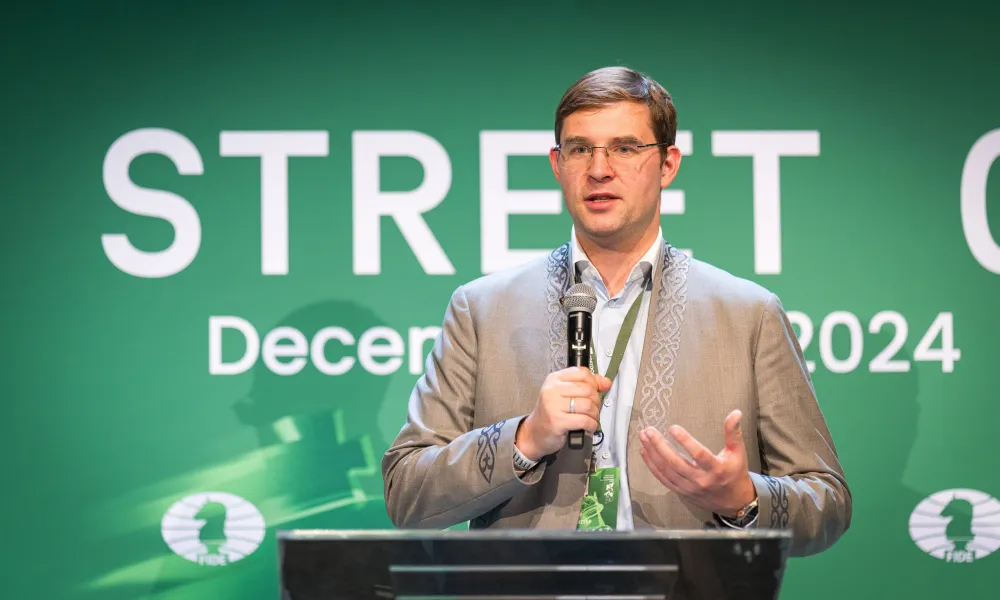
That is the main argument of Timur Turlov, a candidate for FIDE’s presidency in the September 26-27 elections in Samarkand. The 38-year-old founder and CEO of Nasdaq-listed Freedom Holding Corp. and president of the Kazakhstan Chess Federation, he is running alongside five-time world champion Viswanathan Anand, who is running for Deputy President.
The ticket is designed to combine continuity and change. Anand brings the experience of an elite player and first-hand knowledge of how FIDE operates. Turlov brings experience in managing international organisations, technology and building long-term financial partnerships.
A strong FIDE means strong federations
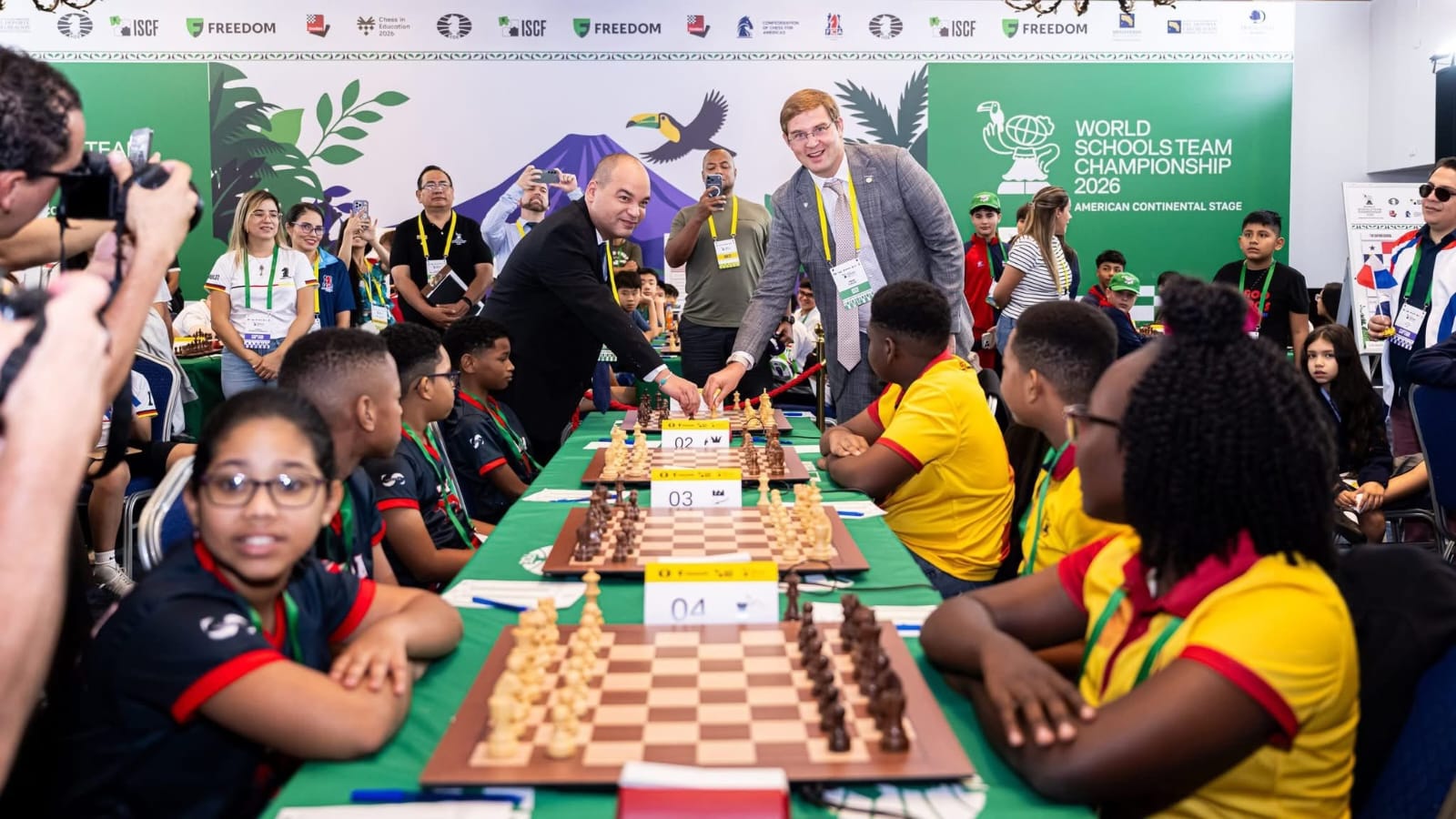
At the heart of the program is the idea that FIDE exists to serve national federations. Many of them lack not only money, but also administrative know-how, arbiters, events and a stable plan. Turlov’s proposal includes easier access to development funding, digital tools for more effective administration, and targeted grants for coaches, young athletes, and international participation.
He cites Kazakhstan as an example, where chess has been introduced to more than 1,500 schools and reached over 60,000 children. The country has also hosted major international events and developed a more sustainable model of cooperation with private-sector partners. The aim, he argues, is not for every federation to replicate the same model, but to use data and adopt practices tailored to its own needs.
The four main streams—digital transformation, chess in education, financial sustainability, and institutional development—are presented at turlovforchess.com

Neutrality without bypassing the rules
Geopolitics is an inevitable part of the electoral debate. Turlov argues that FIDE must remain neutral and not become a field of political confrontation. He clarifies, however, that neutrality does not mean ignoring the rules: the federation must consistently apply international sports regulations, legal obligations and the decisions of the competent institutions.
His reference to the tradition of Kazakhstan as a ‘middle power’ is essential. His proposal is based on maintaining channels of communication between different geopolitical centers, without selective application of rules. In a sport that historically functions as an international language, the ability to dialogue is an administrative advantage and not just a diplomatic slogan.
The Cyprus connection
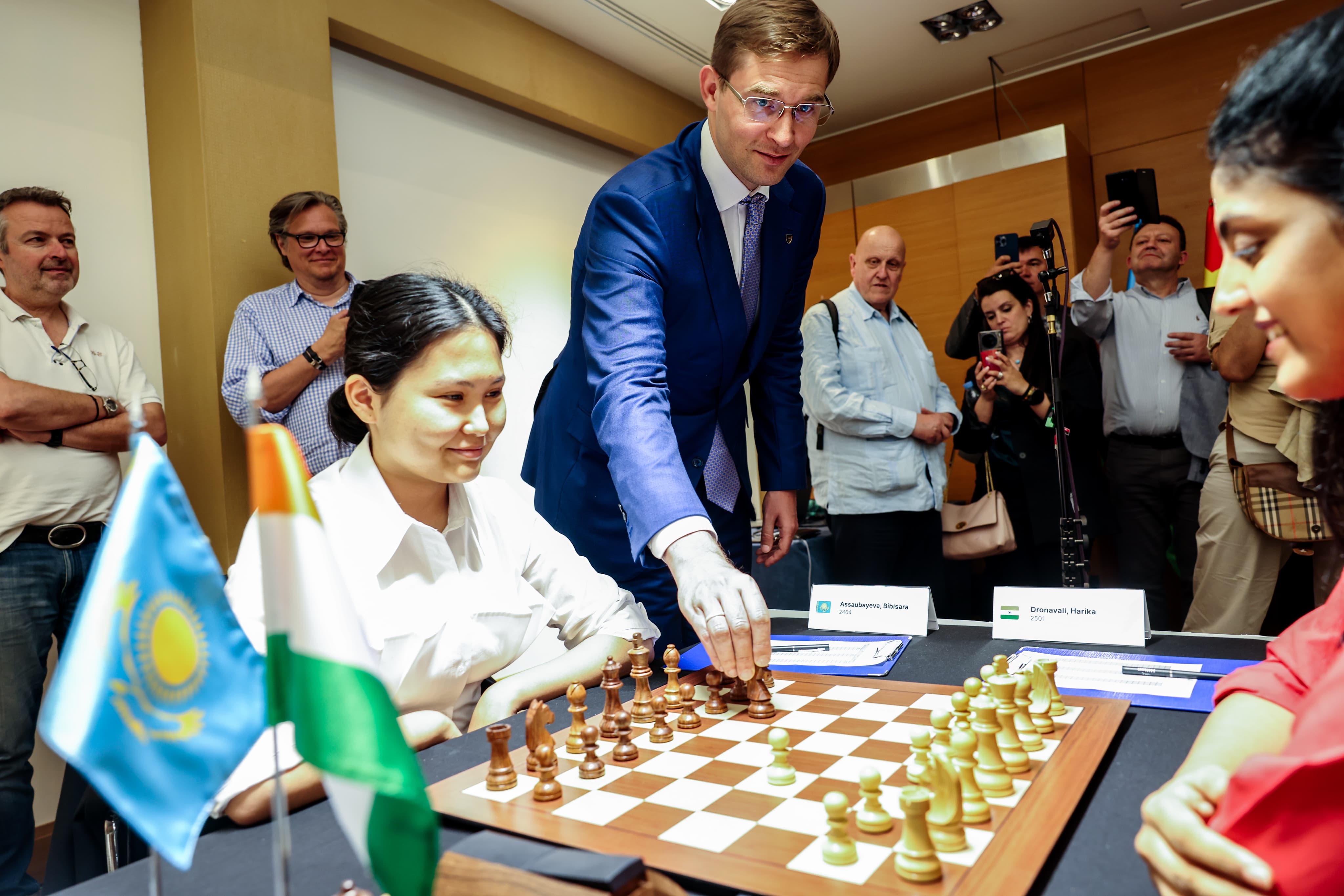
Cyprus has a direct interest in this debate. Nicosia hosted FIDE Women’s Grand Prix events with the support of Freedom Holding, while in 2026 the FIDE Candidates and Women’s Candidates Tournaments brought the world’s chess elite to Peyia. Experience has shown that a small country can gain a significant place on the international map when there is institutional cooperation and strong commercial support.
For the Cyprus federation and the wider sports ecosystem, it is crucial whether FIDE under its next leadership will create more transparent pathways to events, educational programs, funding and international visibility.
Turlov sums up his candidacy with a management principle that is almost a business maxim: promises must be realistic and leadership must be judged by results. The ballot box in Samarkand will show whether national federations believe that this model can be scaled from Kazakhstan to the global chess stage.
More about the candidacy and the program: turlovforchess.com