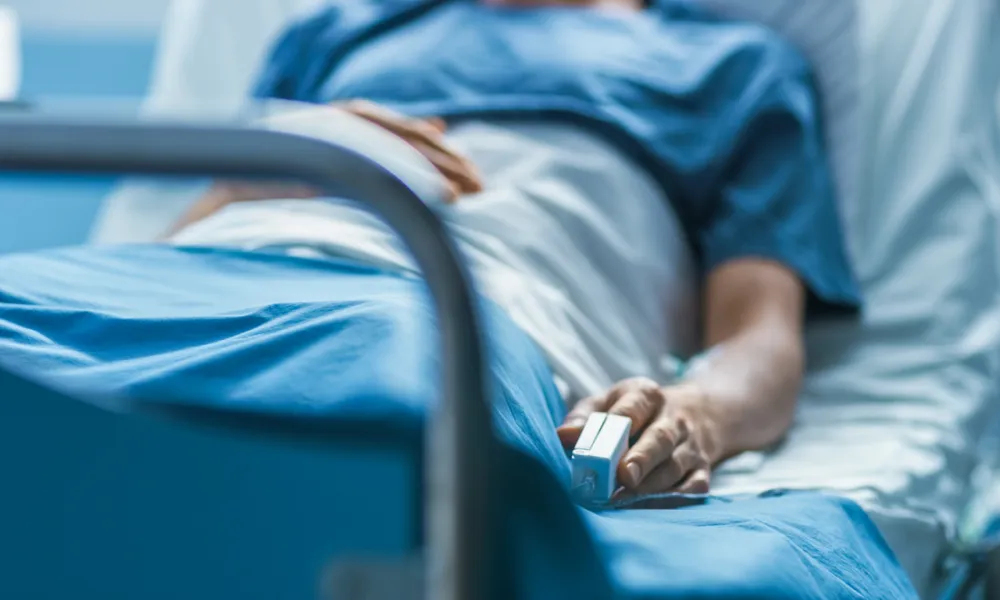

More than 11,000 cases were treated at the Accident and Emergency Department (A&E) of Famagusta General Hospital during June, July and August, a figure corresponding to approximately 120 cases per day. According to a written statement by OKYpY (State Health Services Organisation) Press Spokesperson Charalambos Charilaou, the increased patient numbers are linked to the significant seasonal rise in population in the Famagusta district due to the tourist season.
Round-the-clock service
According to Mr Charilaou's statement, the A&E operates 24 hours a day, without appointments and without turning away any cases, serving every citizen requiring urgent medical care.
Triage by severity, not arrival time
During peak hours, he noted, the increased number of patients can result in waiting times. However, the order in which patients are examined is determined by a triage process based on the severity and urgency of each case, rather than time of arrival. As a result, cases that pose an immediate threat to life or health, such as a heart attack or a stroke, are treated as a priority, while patients with less urgent conditions may need to wait longer.
Additional measures introduced this summer
Mr Charilaou said additional measures were implemented this summer season to manage the increased patient flow more effectively and swiftly. A Rapid Patient Assessment Clinic operated with an additional doctor and nurse during peak hours, for cases that could be assessed and treated within a short period.
He also said a Short-Stay Ward operated for patients requiring several hours of monitoring and reassessment before a discharge decision, while A&E staffing was strengthened across all shifts during the period of increased demand.
Planning for next summer
According to Mr Charilaou, these measures form part of an ongoing effort to improve patient flow without affecting the prioritisation of genuinely urgent cases. "The needs of the A&E of Famagusta General Hospital for next summer are already being assessed, based on the actual data from this year's operation and the experience gained," he added.
Recognition of staff pressure
Mr Charilaou said OKYpY "recognises both the needs of patients and the effort of staff, who work under conditions of particularly increased pressure, often in twelve-hour shifts, facing daily an unpredictable number of cases of varying severity."
According to the OKYpY spokesperson, evaluation continues into ways of strengthening health services, particularly in areas where demand rises significantly during the summer months.